Understanding the differences between pvc, vinyl, and composite fences
When homeowners search for a durable, low-maintenance alternative to wood, they often turn to what’s commonly called “plastic fencing.” But this broad category isn’t one-size-fits-all. In fact, the terms PVC, vinyl, and composite are used frequently—and sometimes incorrectly—leading to confusion. While they all offer freedom from constant painting and staining, their materials, performance, and price points differ significantly. Are you trying to choose between these popular options but aren't sure what sets them apart? This guide cuts through the marketing noise to explain the distinct characteristics of PVC, vinyl, and composite fences. By understanding their unique compositions and benefits, you can make a choice that perfectly aligns with your property’s needs, your aesthetic vision, and your budget.
Why People Search for Plastic Fences
The quest for a “plastic fence” is usually driven by a few key desires that traditional wood can’t satisfy. Homeowners are primarily seeking a permanent solution to the endless cycle of maintenance. They want to avoid the annual tasks of power-washing, sanding, and repainting. They’re also looking for superior resistance to the elements—a material that won’t rot, warp, splinter, or fall prey to hungry insects. For families with children and pets, a smooth, non-toxic surface that requires no chemical treatments is a major draw. Finally, the modern, clean look and long-term value offered by options like composite fences make these materials a compelling investment. Understanding this common starting point helps clarify why the distinctions between PVC, vinyl, and composite are so important.
PVC Fences Explained
Let’s clear up a major point of confusion first: PVC and vinyl fences are the same thing. The terms are used interchangeably in the fencing industry.
- What It Is: PVC (Polyvinyl Chloride) is the type of plastic resin used to manufacture vinyl fencing. The fence components are extruded from this rigid PVC compound, which often includes UV inhibitors and impact modifiers for strength and color stability.
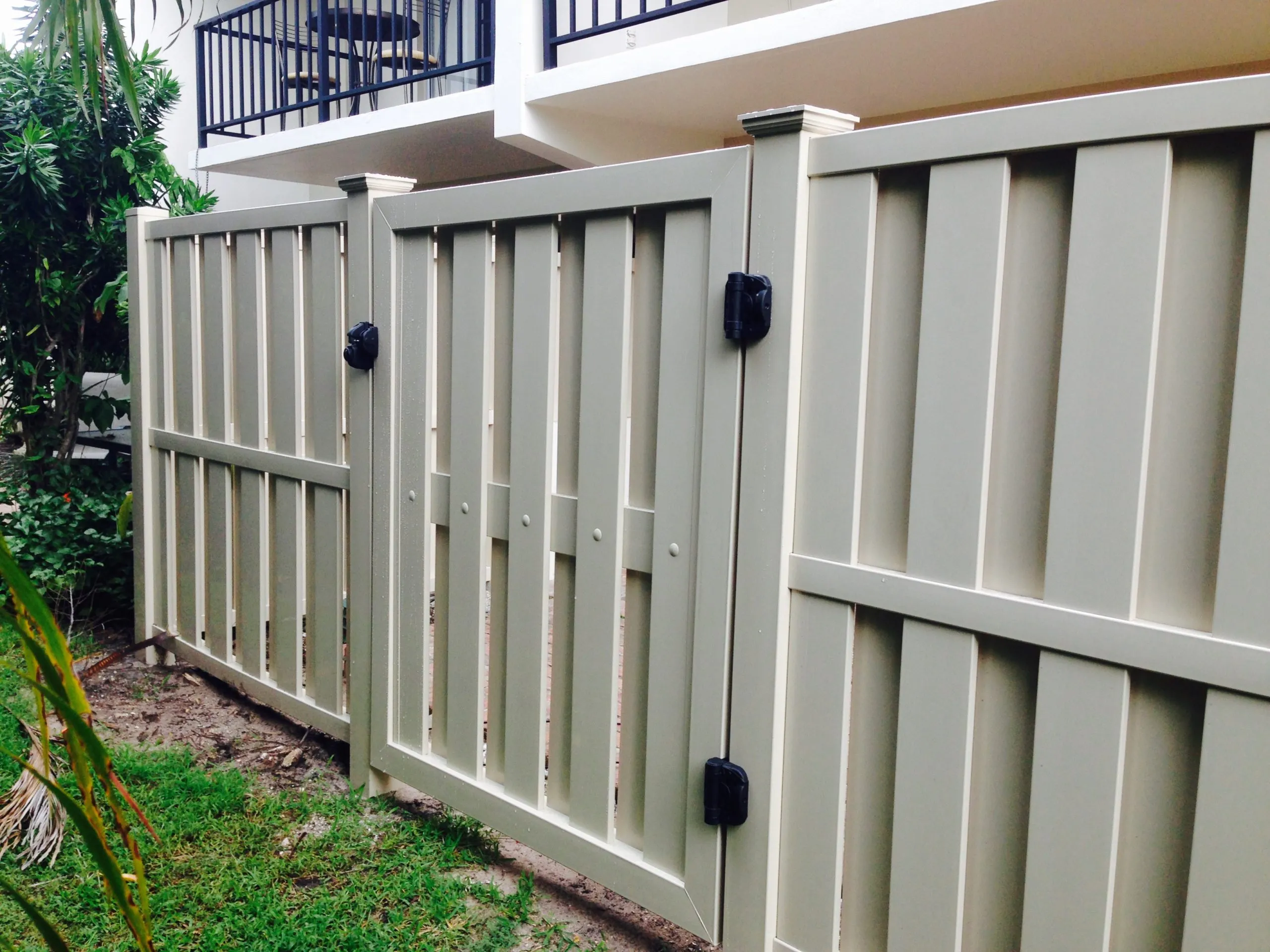
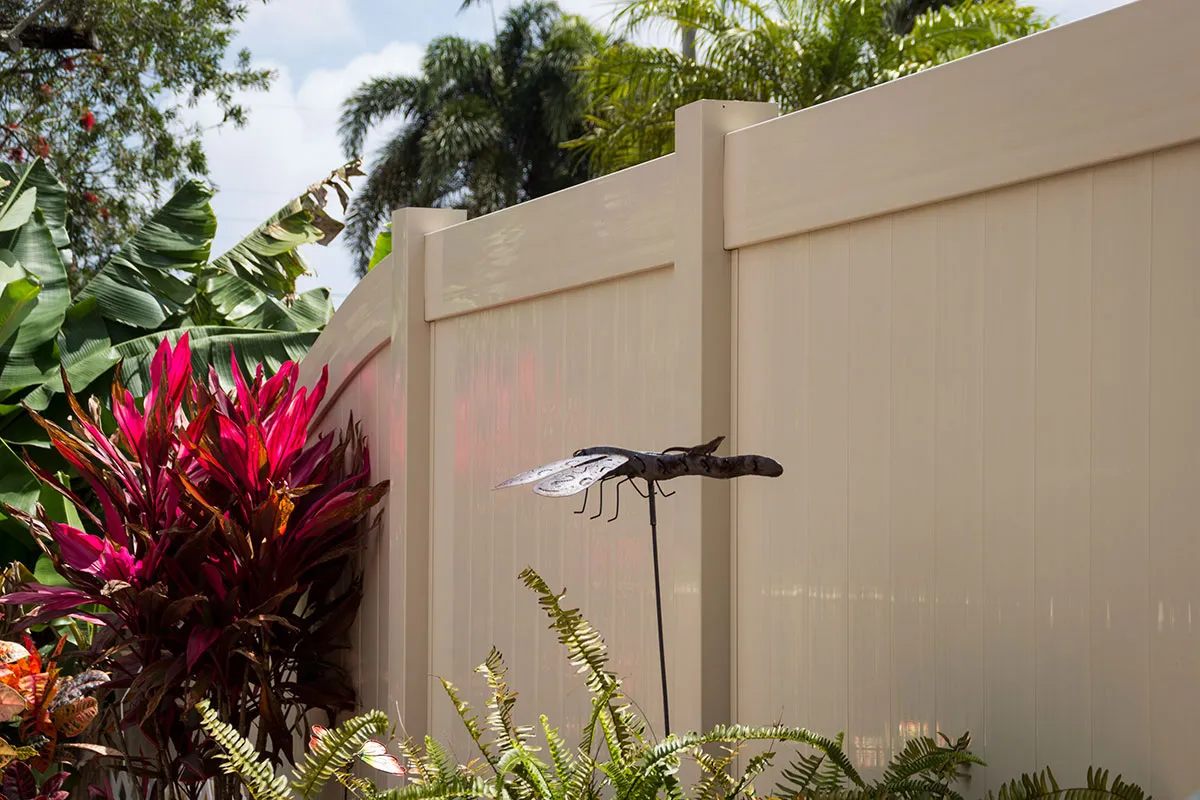
- Key Characteristics: A 100% synthetic, solid plastic product. It is typically hollow inside, with thick, rigid walls for structural integrity. Available in various styles (privacy, picket, rail) and colors, with white and tan being most common.
- The Misconception: Sometimes, “PVC” is used to describe lighter, thinner, or lower-grade fencing, while “vinyl” is used for premium lines. However, the core material is identical. Always look at the profile thickness (measured in mils) as a true indicator of quality, not the name.
Vinyl Fences Explained
As established, a vinyl fence is a PVC fence. When shopping, you are evaluating the quality of the vinyl product.
- What It Is: A fence made from polyvinyl chloride (PVC) resin. High-quality vinyl fencing uses virgin (not recycled) resin, has a higher thickness (e.g., .055 mil or higher), and includes titanium dioxide for UV resistance and calcium-based stabilizers for longevity.
- Key Characteristics: It is a monolithic material, meaning the color runs all the way through. This prevents chipping or scratching from showing a different color underneath. It is installed in a modular, interlocking system with posts, panels, and caps.
- Biggest Advantage: Its extremely low maintenance. It never needs painting. Cleaning involves just a hose, or a mild soap solution for tougher dirt or mildew.
Composite Fences Explained
Composite fencing is a different beast entirely and should not be lumped in as just another “plastic” fence.
- What It Is: A hybrid material made from a blend of recycled wood fibers/wood flour and recycled plastic polymers (like HDPE or PVC). These components are bonded together under heat and pressure to create a dense, board-like product.
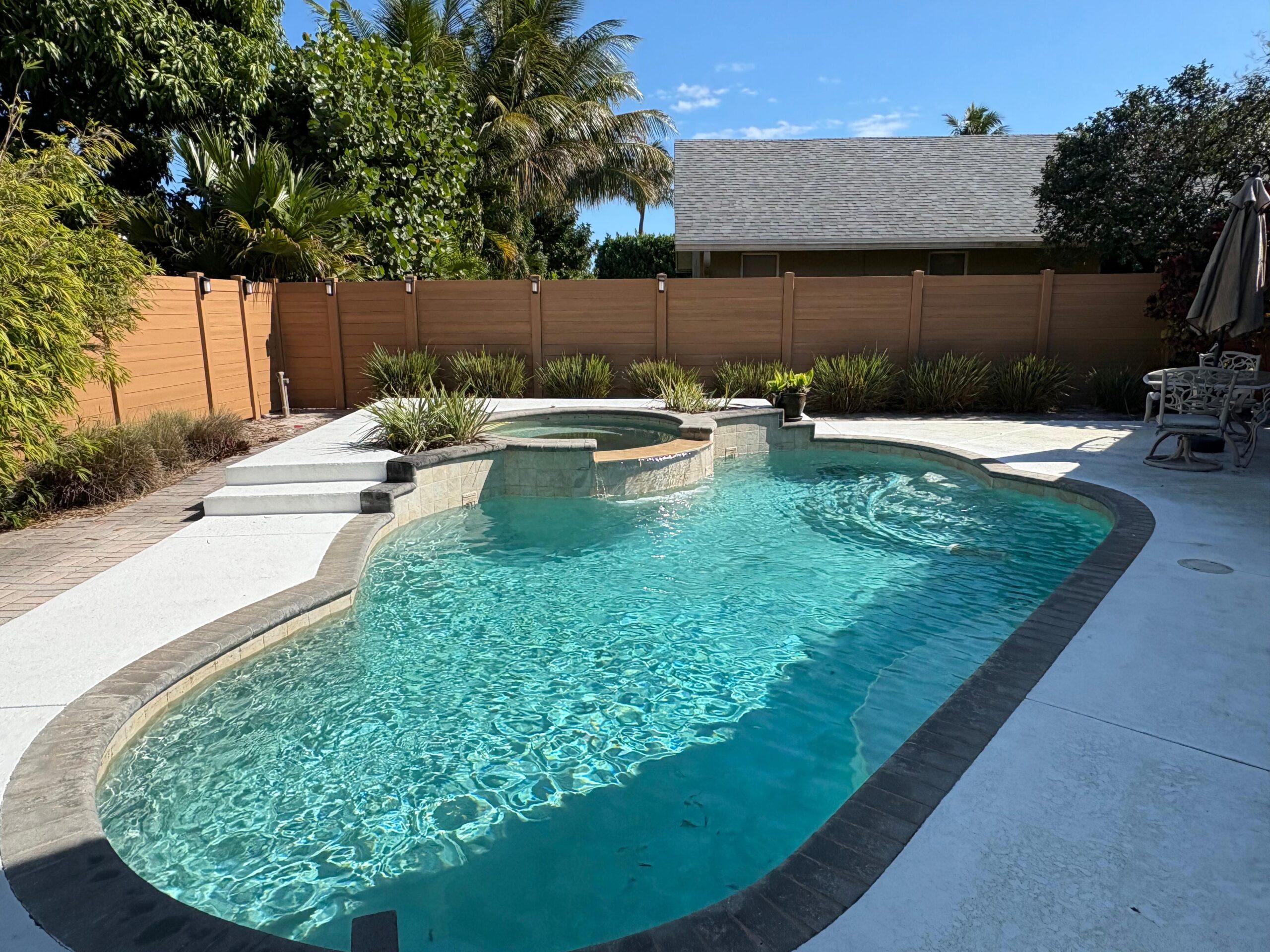
- Key Characteristics: It mimics the textured, granular appearance of real wood more closely than smooth vinyl. It is typically solid (not hollow) and is heavier. The color is also solid throughout. While very low maintenance, it may benefit from an occasional sealant to protect against moisture absorption in some climates.
- Biggest Advantage: It offers the most natural, wood-like aesthetic of the three options while providing the rot and insect resistance of plastic.
Key Differences: A Side-by-Side Comparison
| Feature | PVC / Vinyl Fencing | Composite Fencing |
|---|---|---|
| Material Composition | 100% plastic polymer (PVC). | Hybrid of wood fibers & plastic polymers. |
| Core Structure | Usually hollow with rigid walls. | Solid or capped cellular core, board-like. |
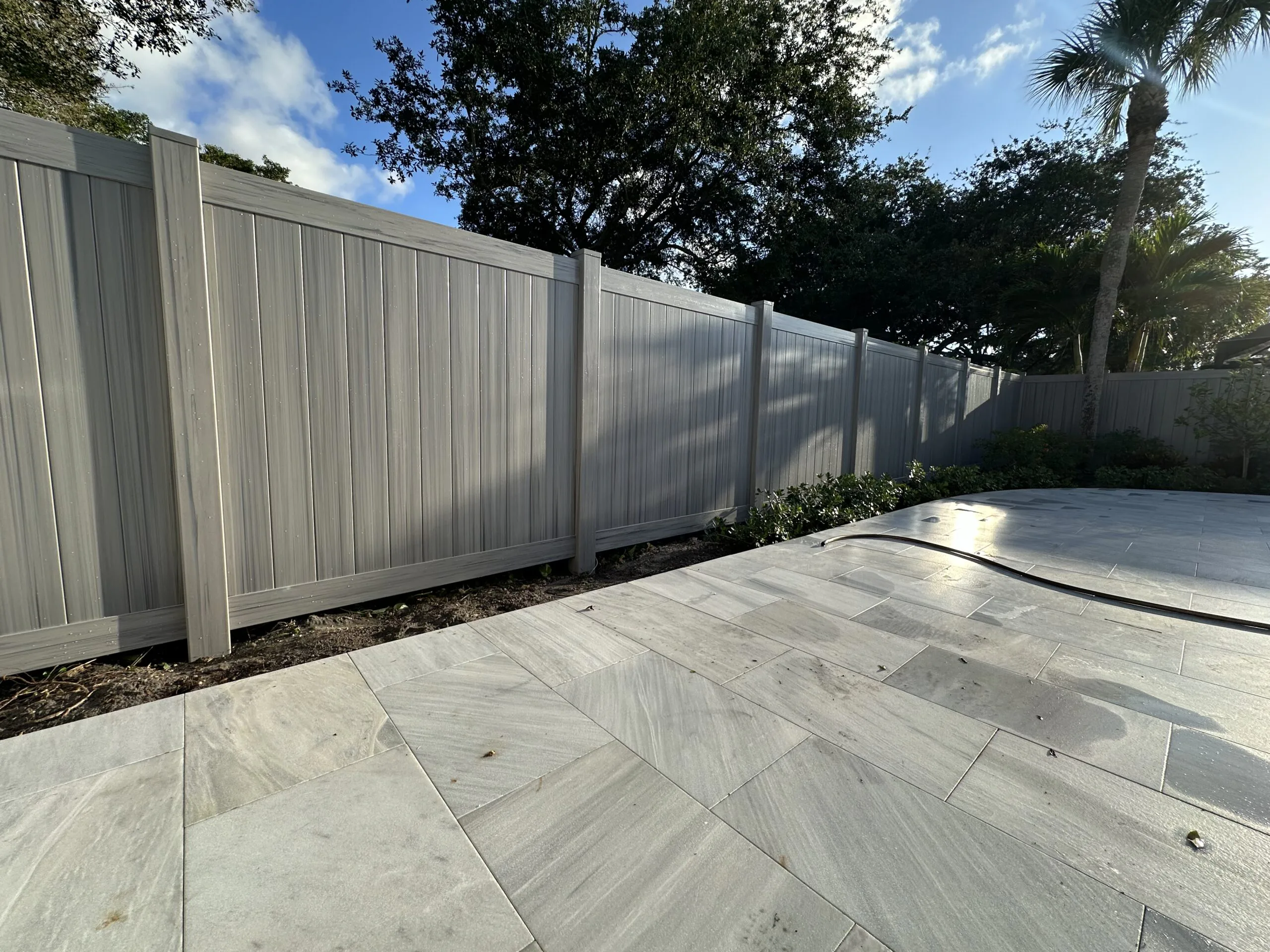
| Primary Appearance | Smooth, uniform, synthetic finish. Can have wood-grain texturing. | Grainy, textured finish that closely mimics real wood. |
| Durability | Excellent. Resists moisture, insects, rot. Can become brittle in extreme cold. | Excellent. Resists moisture, insects, rot. Less prone to cold-weather brittleness. |
| Maintenance | Very low. Clean with water/soap. | Low. May require occasional cleaning and sealing for optimal lifespan. |
| Environmental Impact | Made from new or recycled PVC. Not biodegradable but is recyclable. | Uses recycled content (wood & plastic). Considered eco-friendly. |
| Cost | Moderate to high upfront cost. | Highest upfront cost of the three. |
| Weight | Lighter than composite. | Heavier, requires robust post-setting. |
Which Plastic Fence Is Best for Your Property?
The best choice depends on your personal priorities. Use this guide to decide:
Choose a High-Quality VINYL (PVC) Fence if:
- Your top priority is absolute, minimal maintenance with no sealing required.
- You prefer a clean, crisp, and uniform look in classic white or earth tones.
- You want a proven, long-lasting material with extensive warranty options.
- Your budget is mid-range, and you seek the best value in low-maintenance fencing.
Choose a COMPOSITE Fence if:
- Achieving a natural wood aesthetic is non-negotiable for your home’s style.
- You are willing to invest a premium upfront cost for the look you want.
- You value using eco-friendly materials with high recycled content.
- You don’t mind performing occasional light maintenance (like cleaning and sealing) to preserve the material.
Final Pro Tip: Regardless of your choice, quality is paramount. For vinyl, insist on a thick profile (.055 mil or higher) from a reputable brand. For composite, look for a high wood-fiber density and UV-protected caps. Invest in professional installation to ensure your fence is as sturdy and beautiful as the materials promise.
By understanding the distinct DNA of PVC/vinyl and composite materials, you can move beyond the search for a simple “plastic fence” and select a sophisticated, durable enclosure that is perfectly engineered for your yard.