Best Fence Materials for Broward County: How to Withstand Heat, Humidity, and Storms Year-Round
Living in Broward County means enjoying sunshine nearly year-round. It brings warm winters and beautiful summers. However, it also brings intense heat, high humidity, and frequent storms. As a result, these conditions create real challenges for outdoor structures. Your fence faces these elements every single day.
Choosing the right material is therefore a critical decision. After all, the wrong choice leads to warping, rotting, or rusting. In contrast, the right choice delivers decades of reliable service. This guide helps you understand material performance in our unique climate.
We will examine the most popular options for fences in Broward County. We will discuss how each stands up to heat, humidity, and rain. By the end, you will know which material suits your property best.
Why Broward County's Climate Demands Smart Choices
Our local weather patterns are beautiful but demanding. Therefore, understanding these demands helps explain why material selection matters.
Heat and UV Exposure: Temperatures regularly reach the 90s. The sun beats down intensely. Consequently, materials without UV protection fade and weaken. For this reason, quality fencing must block ultraviolet damage.
Humidity and Moisture: Humidity often exceeds 70 percent. Afternoon storms bring heavy downpours. Not surprisingly, materials that absorb moisture swell and rot. On the other hand, good choices shed water completely. They also resist fungal growth.
Temperature Swings: Days are hot. Nights cool down. As a result, constant expansion stresses materials. For instance, some crack over time. Others warp or pull apart. Therefore, good fencing accounts for this movement.
Storm Season: Hurricane season brings high winds. Flying debris becomes dangerous. Ideally, fences must flex without breaking. Furthermore, they must stay anchored in high gusts. In short, proper installation matters as much as material choice.
Aluminum Fencing: The Heat-Resistant Performer
Aluminum fencing has grown increasingly popular for fences in Broward County. Specifically, the reasons tie directly to our climate.
Heat Performance: Aluminum handles intense sun exceptionally well. For example, quality fences feature powder-coated finishes. This coating bakes onto the metal. Consequently, it resists fading for years. Additionally, the material expands minimally compared to others.
Humidity Resistance: Aluminum does not rust. This surprises people who confuse it with iron. In fact, iron rusts quickly. However, aluminum forms a protective oxide layer. This layer shields the metal from moisture. As a result, humidity causes no damage.
Maintenance Requirements: Aluminum needs almost no upkeep. For instance, it never needs painting. Similarly, it never requires staining. Occasionally, soap and water restore its appearance. This matters when outdoor work feels uncomfortable.
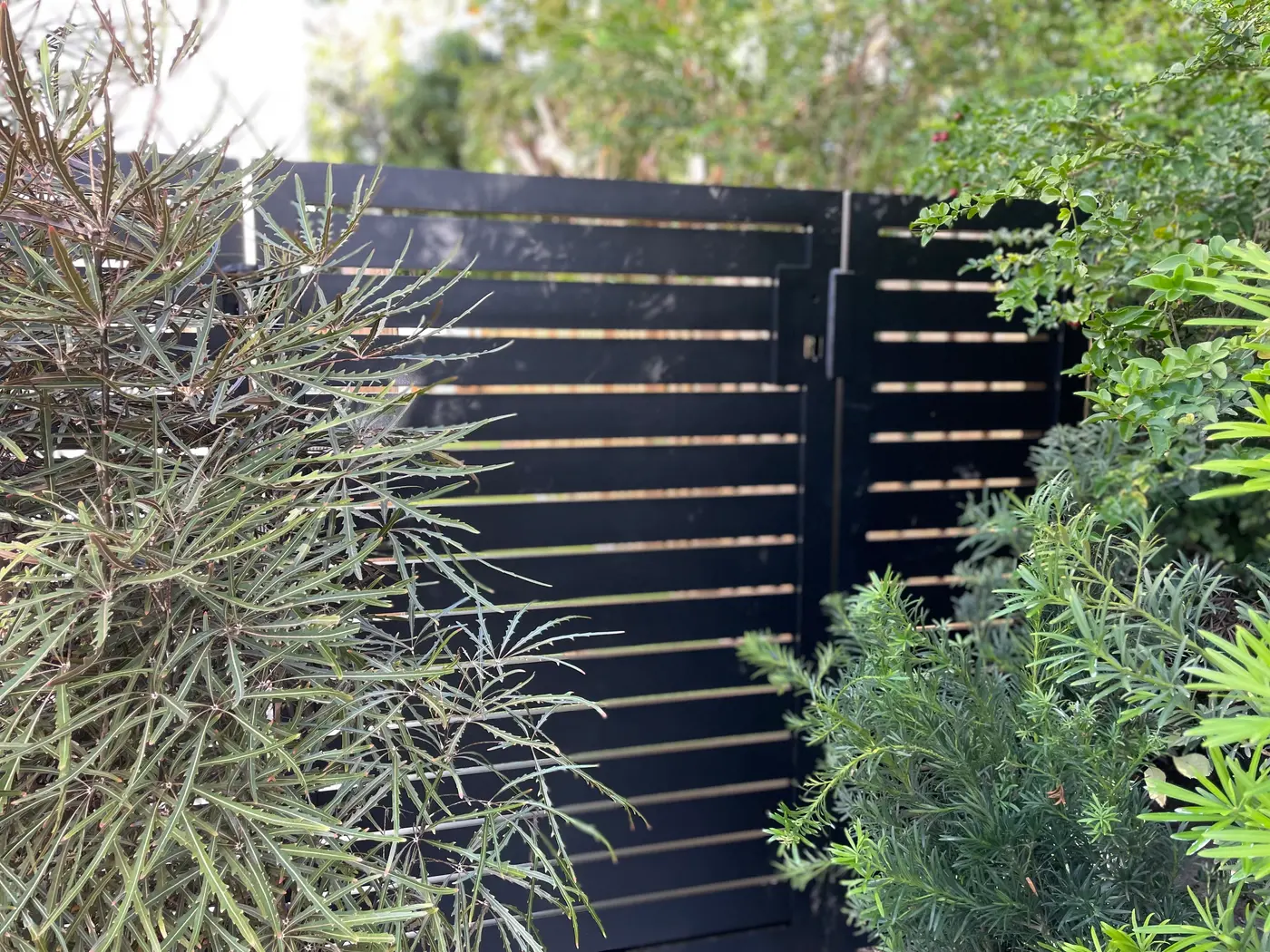
Style Options: Aluminum comes in many styles. For example, classic spear-top designs suit traditional homes. Meanwhile, clean lines work for modern architecture. Furthermore, various colors expand design possibilities.
Vinyl Fencing: Built for Humidity
Vinyl represents another excellent choice for our climate. Specifically, modern formulations address our specific challenges.
Moisture Protection: Vinyl is completely waterproof. In fact, it absorbs no moisture whatsoever. Consequently, it never rots. It also never warps from humidity. Furthermore, it feeds no mold or mildew. As a result, it dries quickly after rain.
UV Stability: Quality vinyl includes UV inhibitors throughout. These prevent yellowing and degradation. Notably, the best vinyl maintains color for decades. In contrast, cheap vinyl may fade. This is why material quality matters.
Temperature Flexibility: Vinyl expands and contracts with temperature. Therefore, quality installations account for movement. As a result, panels have room to adjust. Meanwhile, the material stays flexible over time.
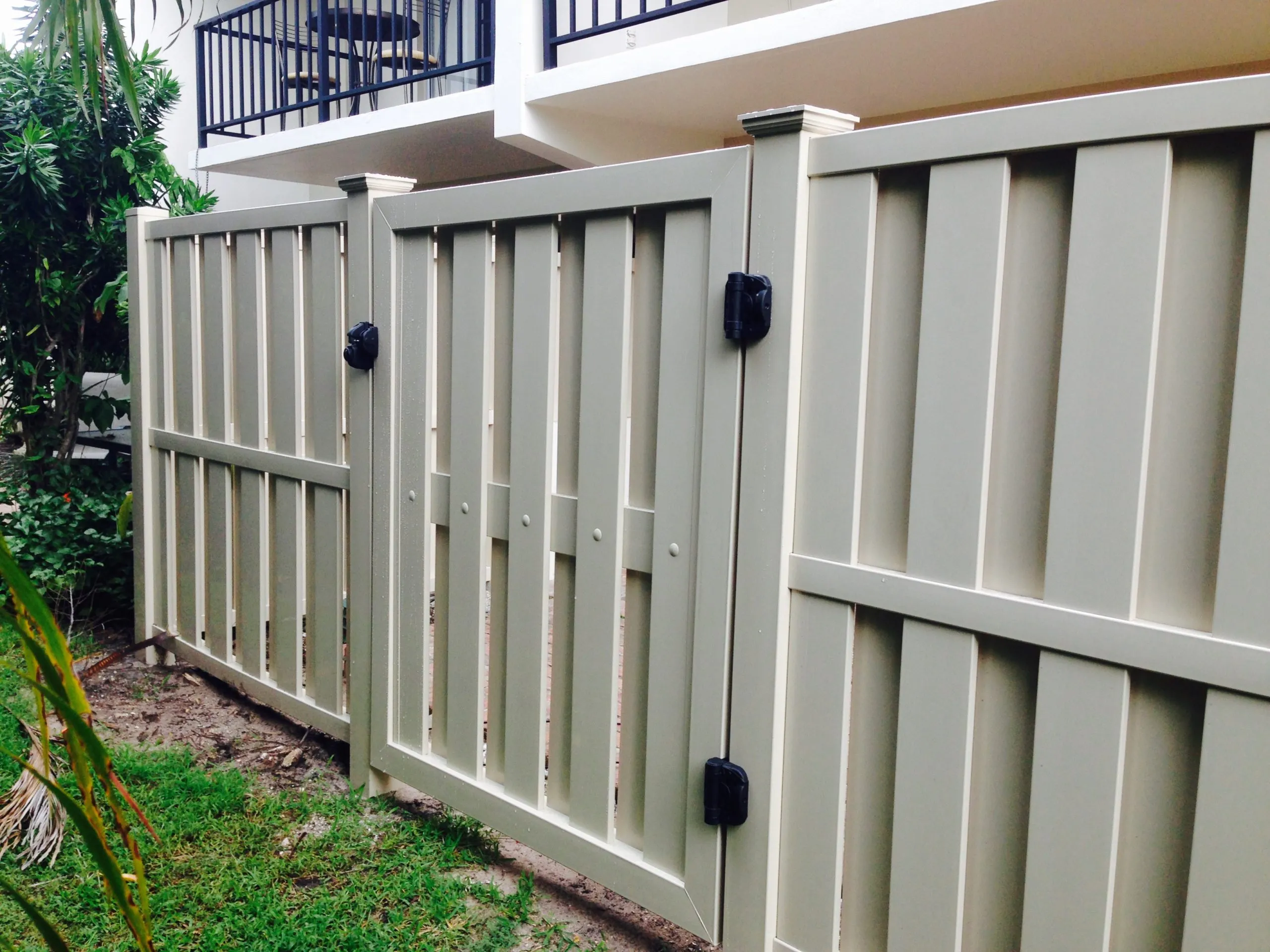
Design Variety: Vinyl offers solid privacy options. It also offers semi-private designs. Additionally, colors now include earth tones and grays.
Wood Fencing: Traditional Beauty with Tradeoffs
Wood remains popular for its natural appearance. However, it requires serious consideration in our climate.
Heat and Humidity Effects: Wood absorbs moisture from humid air. Consequently, it swells when wet. Similarly, it shrinks as it dries. As a result, constant movement causes cracking. For example, boards may cup or twist.
Maintenance Demands: Wood fences demand regular attention. Specifically, they need sealing every few years. Additionally, they require inspection for rot. In our climate, this maintenance is essential. In fact, it determines survival.
Lifespan Considerations: Even with care, wood has limited lifespan. Typically, ten to fifteen years is common. However, some species last longer. For instance, cedar naturally resists decay. Nevertheless, all wood eventually succumbs.
When Wood Makes Sense: Wood works if you love the natural look. It suits properties where maintenance is acceptable. It fits budgets that cannot afford premium materials. However, understand the long-term commitment.
Wood Composite: Modern Alternative
Wood composite combines wood fibers with plastic. In essence, it offers the best of both materials.
Moisture Performance: Quality composites resist moisture well. Specifically, they contain less absorbent material. Consequently, they resist rot significantly better. However, not all composites perform equally.
Heat Considerations: Composites can get hot in direct sun. For example, darker colors absorb more heat. This rarely affects performance. Additionally, some composites fade over time.
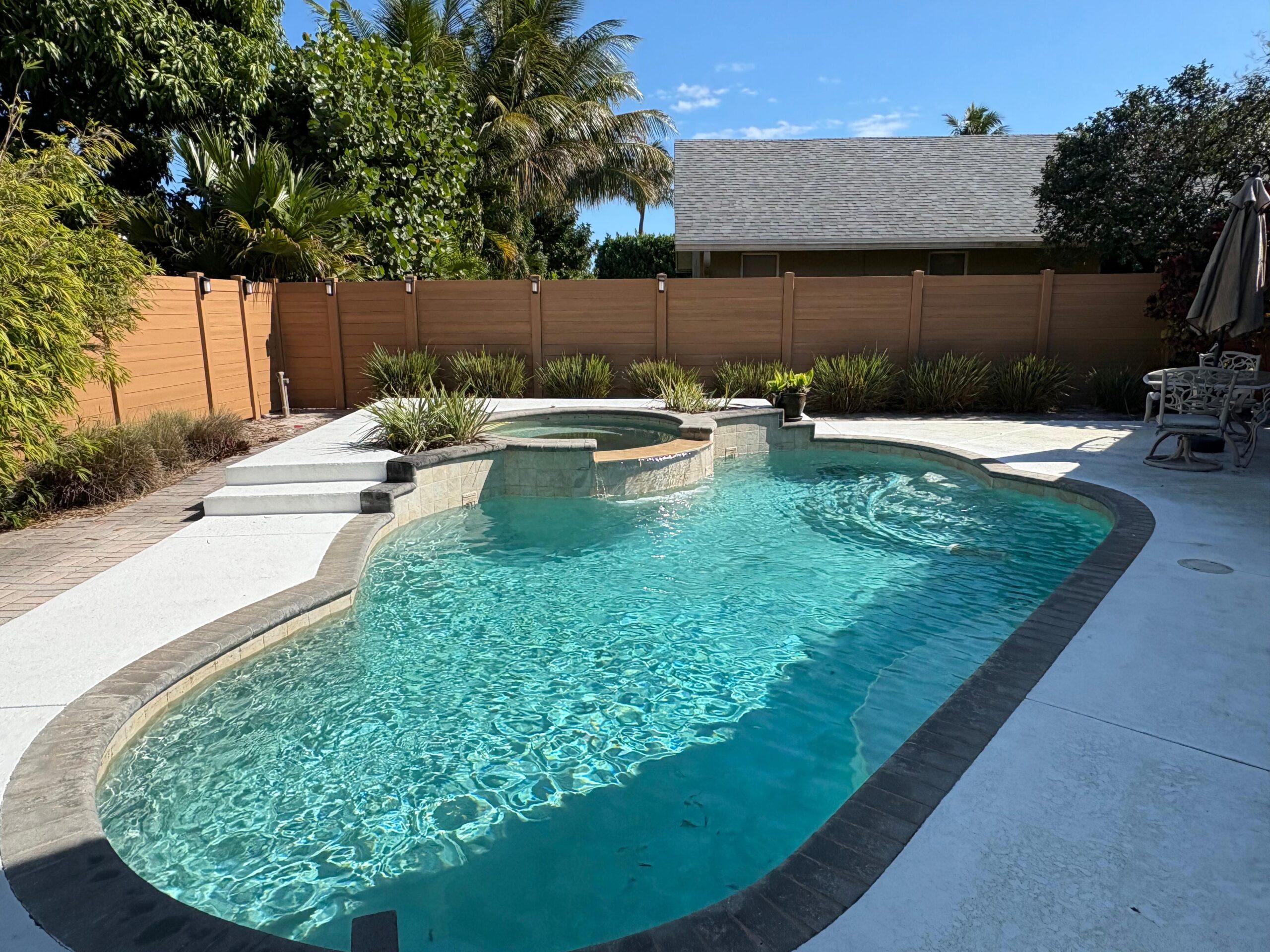
Maintenance Requirements: Composites need less upkeep than wood. For instance, they require no regular sealing. Instead, soap and water usually suffice. This appeals to homeowners seeking wood appearance without the work.
Quality Variations: Composite quality varies widely. On one hand, premium products last for decades. On the other hand, cheap versions may sag. Therefore, research manufacturers carefully.
Chain Link: Practical and Affordable
Chain link fencing serves specific needs well. Specifically, it offers affordability and durability.
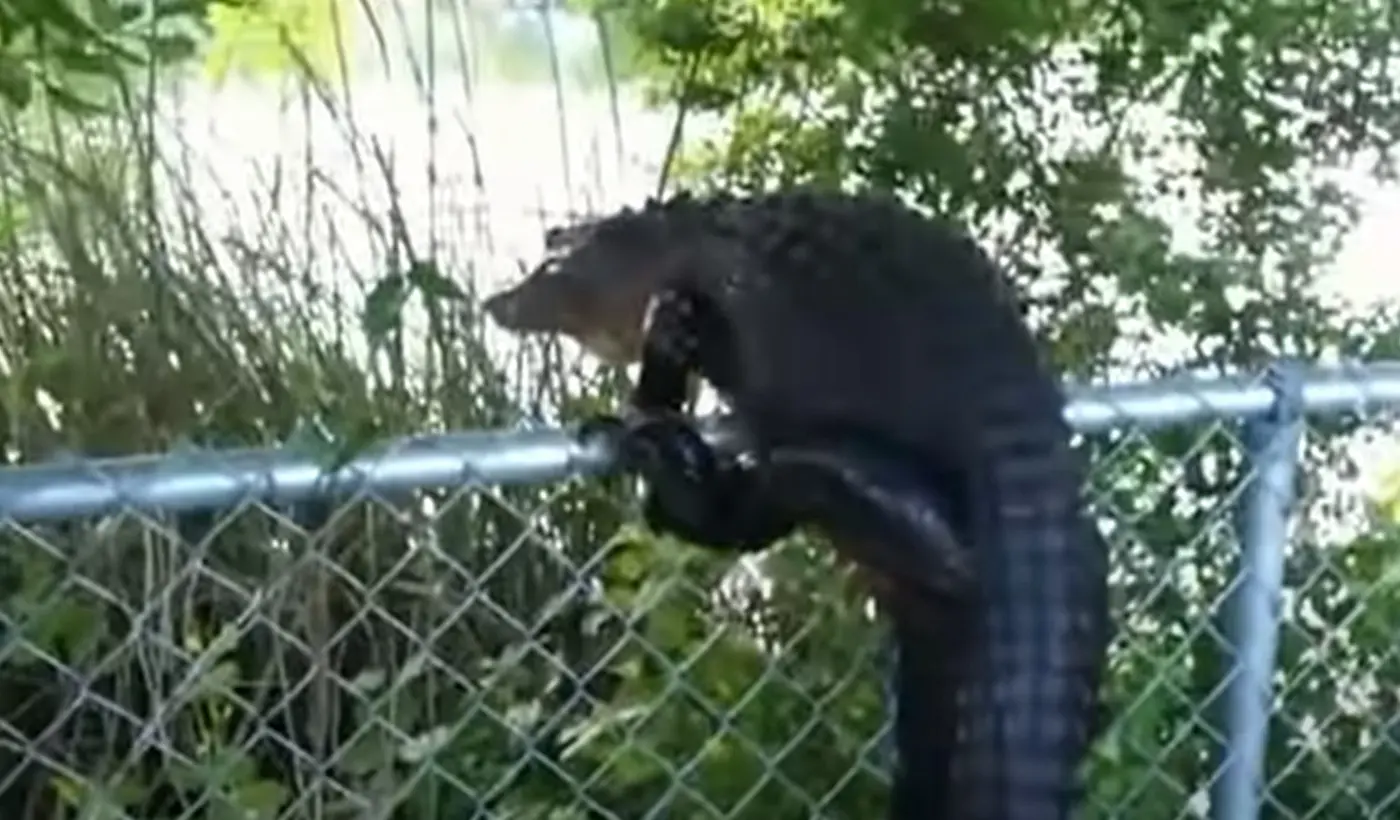
Climate Performance: Galvanized chain link handles our climate. For example, zinc coating prevents rust. Additionally, vinyl-coated options add color. Furthermore, open design allows wind passage.
Heat and Humidity: Metal conducts heat. However, open design minimizes issues. After all, air flows through freely. Additionally, humidity causes no problems for coated materials.
Privacy Limitations: Chain link provides minimal privacy. Nevertheless, privacy slats can be added. These insert into the fabric. Consequently, they create screening while maintaining structure.
When Chain Link Works: Chain link suits large properties on a budget. It works for side yards where appearance matters less. It serves well for containment areas.
Professional Installation Matters for Every Material
Choosing the right material is essential. However, proper installation determines performance. This is especially true for fences in Broward County.
Post Depth Requirements: Posts must reach adequate depth. In our sandy soil, this means 24 to 30 inches. The exact depth depends on fence height. Consequently, proper depth prevents leaning.
Concrete Footings: Posts need concrete for stability. Importantly, concrete must be mixed correctly. Additionally, it must be placed without voids. Furthermore, water must drain away from posts.
Gate Reinforcement: Gates require special attention. Specifically, hinge posts need internal reinforcement. This prevents sagging over years. As a result, gates swing freely and latch securely.
Slope Management: Few properties are perfectly flat. However, professionals handle slopes gracefully. They use racking or stepping techniques. Consequently, the fence follows the land.
Permitting and Codes: Broward County municipalities have requirements. Therefore, permits are often required. Additionally, inspections verify proper installation. The good news is professionals handle this process.
Making Your Material Decision
Choosing among fencing materials involves weighing several factors.
What Are Your Priorities? Do you want maximum durability? If so, aluminum or vinyl likely suit you best. Alternatively, do you love natural wood? Then be ready for maintenance. Perhaps budget is your primary concern. In that case, chain link offers affordability.
Where Is Your Home Located? Are you near the coast? If yes, salt air eliminates some options. For instance, aluminum and vinyl handle salt perfectly. In contrast, wood deteriorates faster near the ocean. Similarly, chain link needs careful galvanization.
How Long Will You Stay? Short-term owners may prioritize upfront cost. However, long-term owners benefit from investing in durability. After all, premium materials cost more initially but save money over time.
What Style Complements Your Home? Your fence should match your architecture. For example, traditional homes pair well with classic designs. Meanwhile, modern homes suit clean lines. Ultimately, your fence contributes to curb appeal either way.
The Long-Term Value Equation
When evaluating fences in Broward County, consider total cost of ownership. Do not just look at initial price.
Initial Investment: Wood and chain link typically cost less upfront. In comparison, aluminum and vinyl cost more. Generally, composites fall somewhere in between.
Ongoing Costs: Wood requires regular staining. Consequently, this costs money and time. On the other hand, other materials need minimal upkeep. Therefore, calculate expenses over twenty years.
Replacement Timeline: Wood may need replacement in fifteen years. In contrast, quality aluminum often lasts decades longer. As a result, spreading cost over more years changes the value calculation.
Property Value: A quality fence adds curb appeal. Furthermore, it signals careful maintenance to buyers. Additionally, it enhances usable outdoor space. Ultimately, these factors support resale value.
Ready to Choose the Right Fence for Your Broward County Home?
At XL Fencing, we understand our local climate. Because we know how materials perform in Broward County heat and humidity, we can guide you wisely. Having installed thousands of fences throughout the area, we know what works.
Our team helps you evaluate your options. We consider your property, priorities, and budget. We recommend materials that serve you well for years. Most importantly, we handle every detail from permits to final inspection.
Request a free quote today. Let us help you choose the perfect fence for your Broward County home. Contact XL Fencing now and take the first step toward a beautiful, durable, climate-appropriate fence.