Evaluating the real durability and lifespan of modern plastic fences
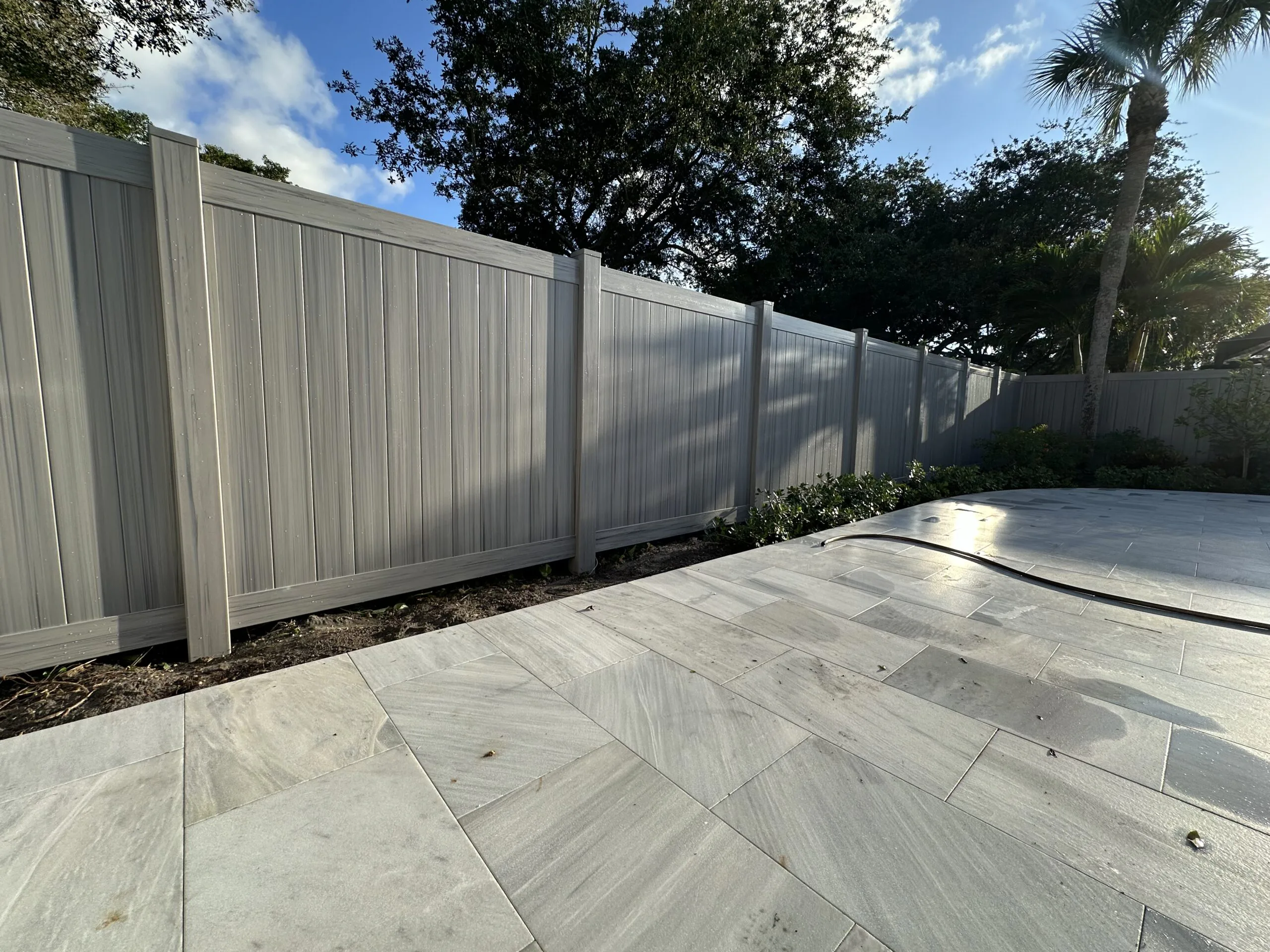
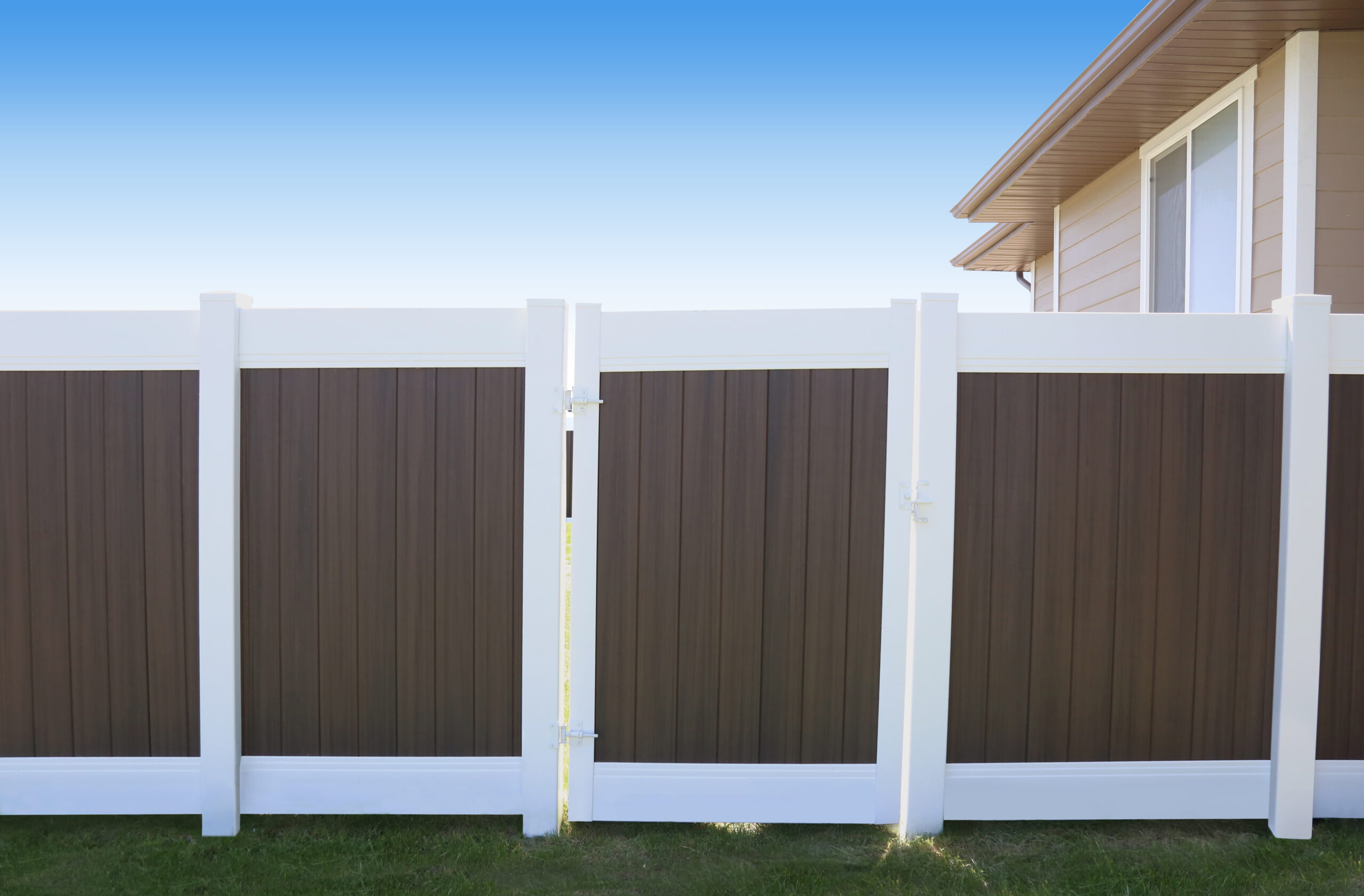
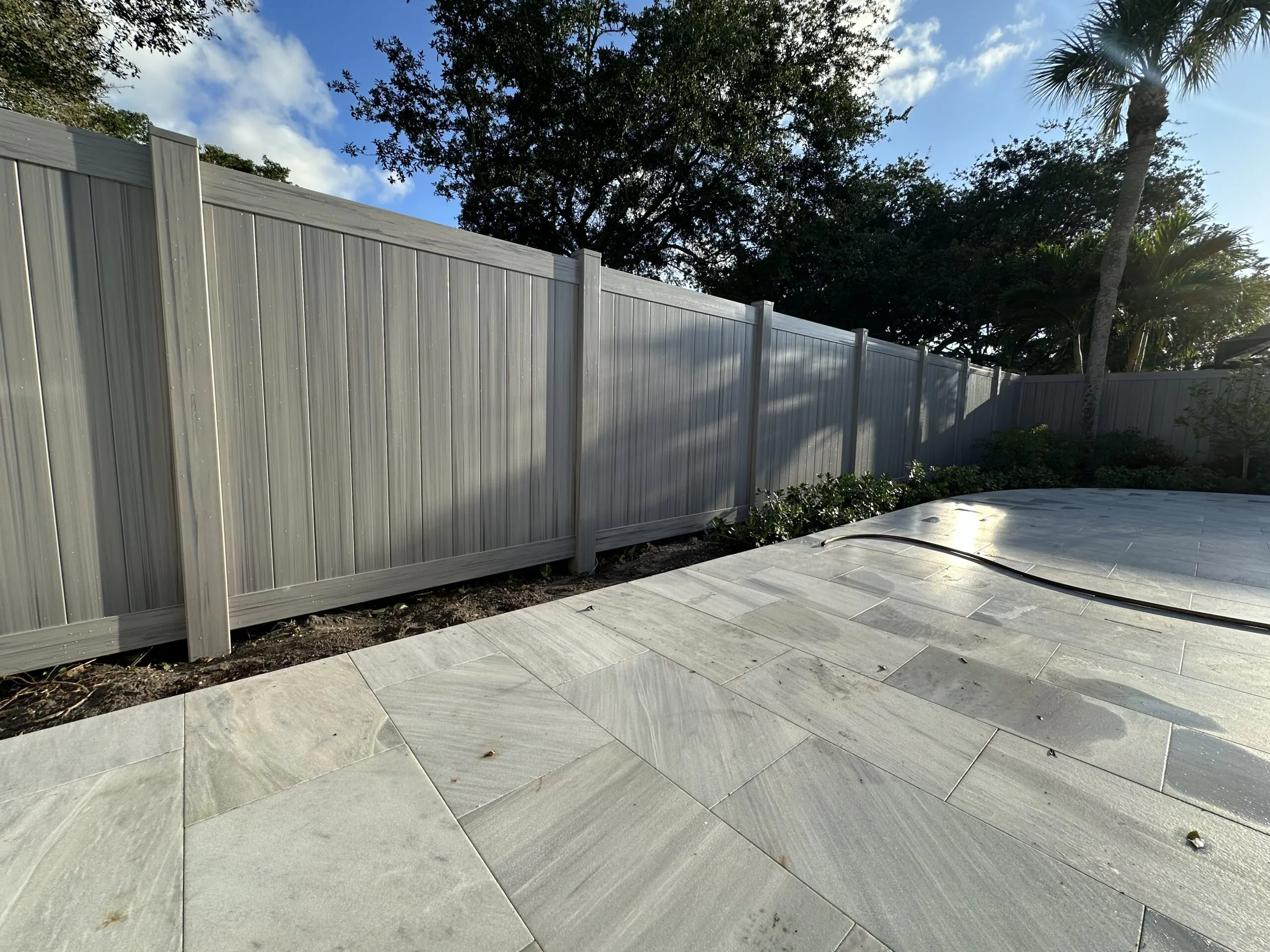
When homeowners consider a new fence, durability is always a top concern. The term "plastic fence" often brings to mind flimsy, temporary materials, but modern plastic fencing primarily high-quality vinyl, PVC, and composite is engineered for long-term performance. Questions about its ability to withstand storms, resist fading, and endure daily wear are valid. This article cuts through the confusion, providing a clear analysis of the real-world durability, expected lifespan, and maintenance needs of today's plastic fences, helping you determine if they are a truly durable choice for your property.
What "plastic fences" really means: Materials matter
Not all plastic fences are created equal. Their durability starts with their composition.
- Vinyl Fences: Made from polyvinyl chloride (PVC) resin, often with UV inhibitors and impact modifiers. They are typically hollow but can have foam-filled cores for rigidity.
- PVC Fences: Similar to vinyl, sometimes used interchangeably. High-quality versions use co-extrusion, where a UV-protective layer is fused over a durable core.
- Composite Fences: A hybrid of plastic polymers and wood fibers or mineral fillers. This creates a solid, dense material that mimics wood but with plastic's resilience.
The quality of the raw materials and manufacturing process is the primary determinant of a plastic fence's durability. Professional-grade products far outperform cheap, hollow alternatives.
The lifespan expectancy: How long do plastic fences last?
A well-manufactured and professionally installed plastic fence is a long-term investment. Here’s a realistic breakdown:
- High-Quality Vinyl/PVC Fences: A lifespan of 20 to 30 years is standard. Many top manufacturers offer lifetime limited warranties against functional defects, underscoring their confidence in product longevity.
- Composite Fences: These can last 25 years or more. Their solid construction makes them highly resistant to the physical wear that can affect hollow vinyl over decades.
This lifespan assumes proper installation and a climate within the product's design parameters. Crucially, unlike wood, they will not rot, corrode, or succumb to insect damage—common failure points for other materials.
Weather resistance: How plastic fences withstand the elements
This is where plastic fences truly excel. They are engineered to combat specific environmental stressors:
- Moisture & Rot: Plastic is completely impervious to water. It will not rot, warp, or swell like wood, making it ideal for rainy, humid, and coastal climates.
- Wind: When installed correctly with posts set in concrete below the frost line, vinyl and composite fences are very wind-resistant. Their flexibility allows them to give slightly in high winds rather than cracking.
- UV Radiation & Fading: Premium plastic fences include advanced UV stabilizers. While some gradual fading can occur over decades, high-quality products are designed to resist chalking and severe color degradation. Lighter colors tend to show fading less than dark ones.
- Temperature Extremes: Plastic fences perform well in both heat and cold. They won't become brittle in deep freeze like low-grade plastics. In extreme heat, they may expand slightly, which proper installation accounts for.
Maintenance: The key to maximizing durability and lifespan
The legendary low maintenance of plastic fences is a major factor in their long-term durability. The routine is simple but essential:
- Regular Cleaning: Wash the fence 1-2 times per year with a garden hose and a mild soap solution (e.g., dish soap). For mildew in shady areas, use a mix of white vinegar and water or a dedicated cleaner.
- Immediate Stain Treatment: While resistant, plastic can be stained by berries, dirt, or grill splatter. Clean these promptly with a appropriate cleaner.
- Inspection: After severe storms, walk the fence line to check for any loose posts, caps, or panels that may need securing.
- Avoid Damage: Keep lawn equipment like weed trimmers away from the base to prevent scuffing and cracks.
This minimal upkeep stands in stark contrast to the repetitive sanding, staining, and sealing required by wood.
Factors That Can Compromise Durability
Even the best plastic fence can be undermined by:
- Poor Installation: The #1 cause of premature failure. Posts not set deep or properly concreted will lead to leaning and collapse.
- Substandard Materials: Thin, low-density vinyl will become brittle and crack. Always choose reputable brands with strong warranties.
- Physical Impact: While resistant, a severe impact from a vehicle or falling tree can crack any plastic fence. Composite holds up better to blunt force.
- Chemical Exposure: Certain solvents or strong acids can damage the surface. Avoid using abrasive cleaners or pressure washers on a high setting.
Durability comparison: Plastic vs. traditional fencing materials
- vs. Wood: Plastic won't rot, splinter, or attract pests. It far outlasts untreated wood and avoids the cyclical maintenance wood requires to reach its full lifespan.
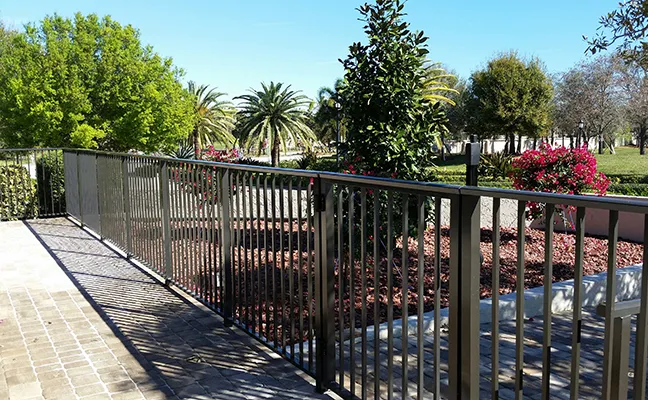
- vs. Metal: Plastic will never rust, a key advantage over iron or steel. Aluminum doesn't rust but can dent; vinyl is more resilient to minor impacts.
- vs. Chain Link: While chain link is structurally durable, it offers no privacy and requires painting (for steel) to prevent rust. Plastic provides privacy and color through-and-through.
A durable, long-term solution for modern homes
So, are plastic fences durable? The evidence strongly supports that high-quality plastic fences are an exceptionally durable and long-lasting fencing choice. Their engineered resistance to moisture, insects, and rot, combined with a decades-long lifespan and near-zero maintenance, makes them a compelling and practical option for homeowners. The durability is not a claim but a result of material science, proven over years in backyards across diverse climates. When you invest in a premium product and professional installation, a plastic fence is designed to stand strong and look good for a generation with minimal effort from you.