Unlocking Security: The Ultimate Guide to Choosing the Perfect Chain Link Fence for Your Property
When it comes to securing your property, few solutions are as reliable and versatile as a chain link fence. With its durability, cost-effectiveness, and low maintenance, it stands out as a prime choice for homeowners and businesses alike. But with a plethora of options available, how do you choose the perfect chain link fence that provides the security you need while enhancing the aesthetic appeal of your space? This ultimate guide will delve into the essential factors to consider, from height and gauge to coating options and installation techniques. Understanding these elements not only empowers you to make informed decisions but also ensures that your fence delivers optimal protection and longevity. Whether you're keeping your pets safe, delineating boundaries, or simply enhancing privacy, the right chain link fence can be a game-changer. Let’s unlock the secrets to selecting a fence that perfectly marries security with style.
Why It’s a Smart Choice for Securing Your Property
When it comes to securing your property, chain link fencing stands out as one of the most reliable and versatile options available. Its durability is unmatched, thanks to the robust materials used in its construction, which make it resistant to wear and tear. This type of fencing can withstand harsh weather conditions, including strong winds, heavy rain, and even snow, without compromising its structural integrity. Moreover, chain link fences are built to last, providing long-term security without the need for frequent replacements, making them a cost-effective investment.
Another significant benefit of chain link fencing is its cost-effectiveness. Compared to other types of fencing, such as wooden or vinyl, chain link fences are relatively inexpensive to install and maintain. The materials required are affordable, and the installation process is straightforward, which reduces labor costs. Additionally, chain link fences require minimal upkeep; a simple periodic cleaning and occasional minor repairs can keep the fence in top condition for years. This low maintenance requirement translates to further savings over time.
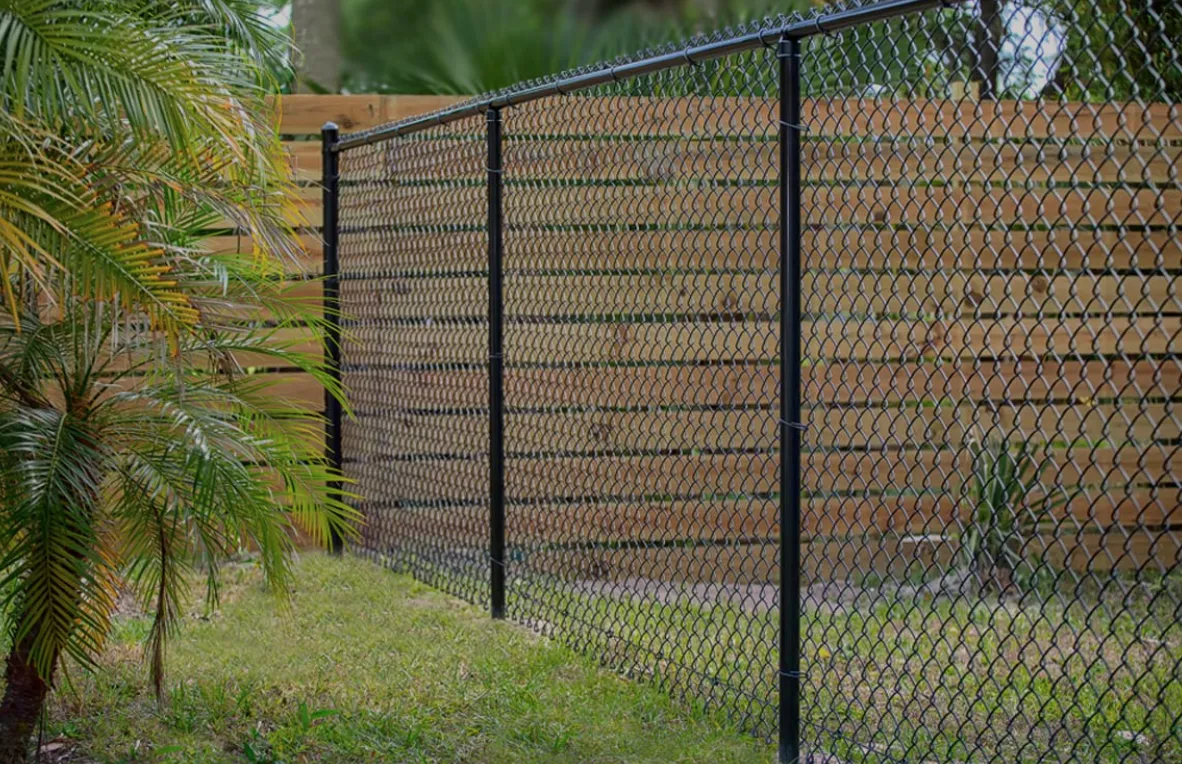
Chain link fences also offer excellent visibility, which is crucial for security purposes. Unlike solid fences, chain link fences do not obstruct the view, allowing you to monitor your property easily. This transparency can deter potential intruders, as they are less likely to target a property where they can be easily seen. Furthermore, chain link fences can be customized with various features, such as barbed wire or privacy slats, to enhance their security capabilities without sacrificing visibility. This adaptability makes chain link fencing an ideal choice for both residential and commercial properties seeking a balance between security and aesthetic appeal.
Exploring the Different Fence Styles to Fit Your Needs
Choosing the right type of chain link fence for your property involves understanding the different options available and their specific benefits. One of the primary distinctions among chain link fences is the gauge of the wire used. The gauge refers to the thickness of the wire, with lower numbers indicating thicker wire. For instance, a 9-gauge fence is thicker and more durable than an 11-gauge fence. Thicker gauges are generally recommended for high-security areas or places with heavy traffic, as they offer greater resistance to damage and tampering.
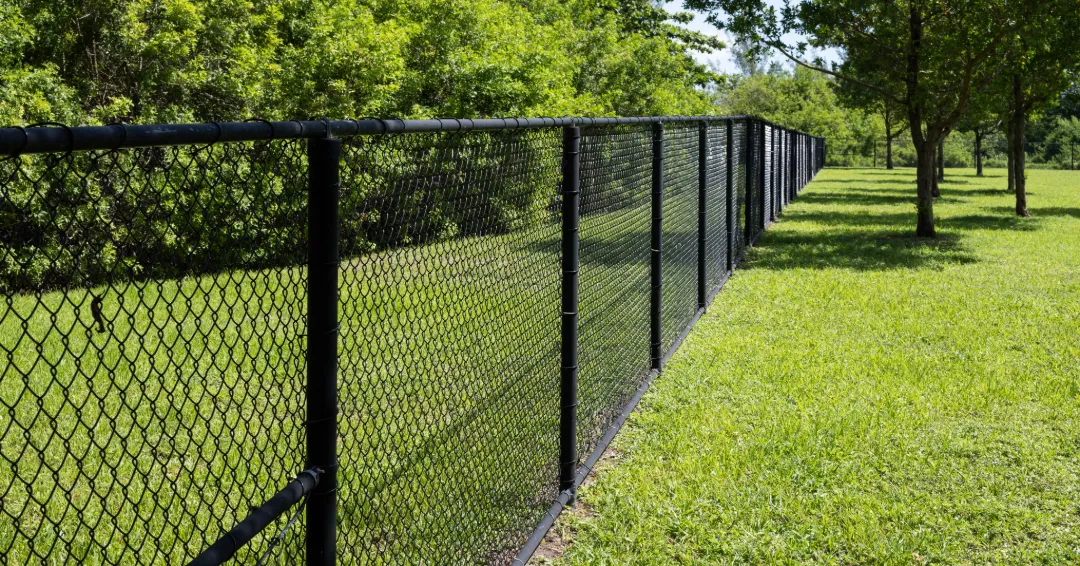
Another important consideration is the coating of the chain link fence. The most common types are galvanized and vinyl-coated fences. Galvanized chain link fences are coated with a layer of zinc to prevent rust and corrosion, making them suitable for outdoor use in various weather conditions. On the other hand, vinyl-coated chain link fences have an additional layer of protective plastic, which not only enhances their durability but also allows for customization in terms of color. Vinyl-coated fences can blend seamlessly with the surroundings, providing a more aesthetically pleasing appearance while still delivering robust security.
Height is another critical factor when selecting a chain link fence. Standard heights range from 3 feet to 12 feet, depending on the level of security required. For residential properties, fences between 4 to 6 feet are typically sufficient to deter casual intruders and provide privacy. However, for commercial properties or areas requiring higher security, fences taller than 6 feet may be necessary. These taller fences can be equipped with additional security features such as barbed wire, razor wire, or anti-climb panels to further enhance their protective capabilities.
Key Factors to Consider When Choosing a Chain Link Fence
Selecting the perfect chain link fence for your property involves evaluating several key factors to ensure it meets your security and aesthetic needs. One of the most crucial considerations is the purpose of the fence. Are you looking to keep pets safe within your yard, prevent unauthorized access, delineate boundaries, or enhance privacy? Understanding the primary objective will guide you in choosing the appropriate height, gauge, and coating for your fence.
Another vital factor is the location and terrain of your property. The installation site can influence the type of chain link fence that is most suitable. For instance, if your property is situated in a region prone to high winds, a heavier gauge may be necessary to withstand the forces of nature. Similarly, uneven terrain or slopes may require customized fencing solutions to ensure stability and effectiveness. Consulting with a professional can provide valuable insights into the best options for your specific location.
Budget is also a significant consideration when selecting a chain link fence. While chain link fencing is generally more affordable than other types of fencing, costs can vary based on the materials, height, gauge, and additional features. It's essential to assess your budget and prioritize the factors that matter most to you. Investing in a higher quality fence with added security features may offer better long-term value, even if the initial cost is higher. Conversely, if aesthetics are a priority, you might opt for a vinyl-coated fence that complements your property's appearance.
Chain Link Fence Installation: DIY vs. Hiring a Professional
Deciding whether to install a chain link fence yourself or hire a professional is an important consideration that can impact the overall success of your fencing project. DIY installation can be appealing due to the potential cost savings and the satisfaction of completing the work independently. However, it requires a certain level of expertise and physical labor to ensure the fence is installed correctly and securely.
Before embarking on a DIY installation, it's essential to assess your skills and the complexity of the project. Installing a chain link fence involves several steps, including measuring and marking the area, digging post holes, setting posts in concrete, attaching the chain link fabric, and securing the gates and accessories. Each of these tasks requires precision and the right tools. If you're confident in your abilities and have prior experience with similar projects, DIY installation can be a rewarding option.
On the other hand, hiring a professional can provide peace of mind and guarantee a high-quality installation. Professionals have the experience, tools, and knowledge to handle various challenges that may arise during the installation process. They can ensure that the fence is installed to meet local regulations and standards, which can be crucial for avoiding potential legal issues. Additionally, professionals can offer valuable recommendations on the best materials and design for your specific needs, further enhancing the effectiveness and longevity of your chain link fence.
Maintenance Tips for Your Chain Link Fence
Maintaining your chain link fence is essential to ensure its longevity and effectiveness in providing security for your property. Regular inspections are the first step in keeping your fence in good condition. Periodically walk along the fence line to check for any signs of damage, such as rust, loose fittings, or broken links. Identifying and addressing these issues early can prevent them from worsening and help maintain the structural integrity of your fence.
Cleaning your chain link fence is another crucial maintenance task. Over time, dirt, debris, and vegetation can accumulate on the fence, potentially causing damage or reducing its aesthetic appeal. Use a garden hose to wash off dirt and grime, and a brush with mild soap to scrub away tougher stains. For galvanized fences, ensure that the zinc coating remains intact to prevent rust. For vinyl-coated fences, avoid using harsh chemicals that could damage the plastic coating.
Lubricating gate hinges and other moving parts is also important for maintaining the functionality of your chain link fence. Over time, these components can become stiff or corroded, making it difficult to open and close gates. Applying a lubricant such as WD-40 can help keep these parts moving smoothly. Additionally, trimming any overgrown vegetation around the fence can prevent damage and reduce the risk of pests. Regular maintenance not only extends the life of your fence but also ensures it continues to provide optimal security for your property.
Enhancing Security: Adding Accessories to Your Chain Link Fence
Enhancing the security of your chain link fence can be achieved by adding various accessories designed to deter intruders and improve overall protection. One popular option is barbed wire, which can be installed along the top of the fence to create a physical barrier that is difficult to climb over. Barbed wire is available in different styles, including single-strand and double-strand, each offering varying levels of security. Installing barbed wire requires careful handling and adherence to local regulations, as it can pose safety risks.
Another effective accessory is razor wire, which is similar to barbed wire but features sharp blades instead of barbs. Razor wire provides a higher level of security and is often used in commercial and industrial settings where maximum protection is required. However, it is essential to consider the potential hazards associated with razor wire and ensure it is installed in a manner that minimizes risks to people and animals. Professional installation is recommended for razor wire to ensure it is fitted correctly and safely.
Privacy slats are another accessory that can enhance the security and aesthetic appeal of your chain link fence. These slats are inserted into the chain link fabric, creating a visual barrier that obstructs the view of your property. Privacy slats are available in various colors and materials, allowing you to customize the appearance of your fence. In addition to providing privacy, these slats can deter potential intruders by making it more difficult for them to see inside the property. Combining privacy slats with other security features can create a comprehensive security solution for your chain link fence.
Cost Analysis: Budgeting for Your Chain Link Fence Project
Budgeting for your chain link fence project involves considering various costs associated with materials, installation, and maintenance. The initial cost of materials can vary based on the type of chain link fence you choose, including the gauge, height, and coating. Galvanized fences are generally more affordable than vinyl-coated fences, but the latter offers additional benefits such as enhanced durability and aesthetic appeal. It's essential to compare the prices of different materials and select the option that best meets your needs and budget.
Labor costs are another significant factor in your budget. If you decide to hire a professional for the installation, the cost will depend on the complexity of the project, the size of the area to be fenced, and the rates charged by the contractor. Obtaining multiple quotes from reputable contractors can help you find the best deal. On the other hand, if you opt for DIY installation, you can save on labor costs but may need to invest in tools and equipment required for the installation.
Maintenance costs should also be factored into your budget. While chain link fences require minimal upkeep, regular maintenance tasks such as cleaning, inspections, and minor repairs can incur costs over time. Setting aside a budget for maintenance can ensure that your fence remains in good condition and continues to provide optimal security. Additionally, considering the long-term value of your investment, such as the potential increase in property value and enhanced security, can help you make an informed decision about the budget for your chain link fence project.
Local Regulations and Permits for Chain Link Fences
Before installing a chain link fence, it's crucial to understand the local regulations and permits required in your area. Different municipalities have specific rules and guidelines regarding the height, location, and design of fences. These regulations are designed to ensure safety, maintain aesthetic standards, and prevent disputes between neighbors. Familiarizing yourself with these requirements can help you avoid potential legal issues and ensure your fence complies with local standards.
Obtaining the necessary permits is an essential step in the installation process. Depending on your location, you may need to apply for a building permit or zoning permit before installing your chain link fence. The permitting process typically involves submitting detailed plans and specifications of the fence, including its height, materials, and location. Local authorities will review the plans to ensure they meet all regulatory requirements. It's important to allow sufficient time for the permitting process, as approvals can take several weeks.
Additionally, considering any homeowner's association (HOA) guidelines is important if you live in a community governed by an HOA. These associations often have specific rules regarding the type and appearance of fences allowed within the community. Reviewing and adhering to these guidelines can prevent conflicts and ensure your fence is acceptable to both the HOA and your neighbors. Consulting with local authorities or a professional contractor can provide valuable insights into the regulations and permits required for your chain link fence project.
Conclusion: Making the Right Choice for Your Property Security
Choosing the perfect chain link fence for your property involves a careful evaluation of various factors to ensure it meets your security and aesthetic needs. Understanding the benefits of chain link fencing, such as its durability, cost-effectiveness, and low maintenance, can help you appreciate its value as a security solution. Exploring different types of chain link fences, including the gauge, coating, and height options, allows you to select the best fit for your specific requirements.
Assessing key factors such as the purpose of the fence, location and terrain, and budget considerations can guide you in making informed decisions. Whether you choose to install the fence yourself or hire a professional, understanding the installation process and the advantages of each option can impact the overall success of your project. Regular maintenance and the addition of security accessories can further enhance the effectiveness and longevity of your chain link fence.
Finally, familiarizing yourself with local regulations and obtaining the necessary permits ensures that your fence complies with legal standards and avoids potential issues. By considering all these aspects, you can unlock the secrets to selecting a chain link fence that perfectly marries security with style, ultimately providing peace of mind and protection for your property. Making the right choice involves a holistic approach, balancing security needs with aesthetic preferences and practical considerations.