Key Differences Between Vinyl, Aluminum, and Composite Fences
Choosing the right fence for your property is a significant decision that impacts curb appeal, privacy, security, and loChoosing the right fence for your property is a significant decision. It impacts your home's curb appeal, privacy, security, and long-term maintenance budget. Three popular low-maintenance options dominate the market today: vinyl, aluminum, and composite. Each material has its champions, but which one truly fits your home, climate, and lifestyle? This guide breaks down the key differences in durability, cost, aesthetics, and upkeep to help you decide in the vinyl vs aluminum vs composite fence debate.
Understanding Your Fencing Contenders: A Material Breakdown
First, understand what each material is and its core characteristics before we compare them.
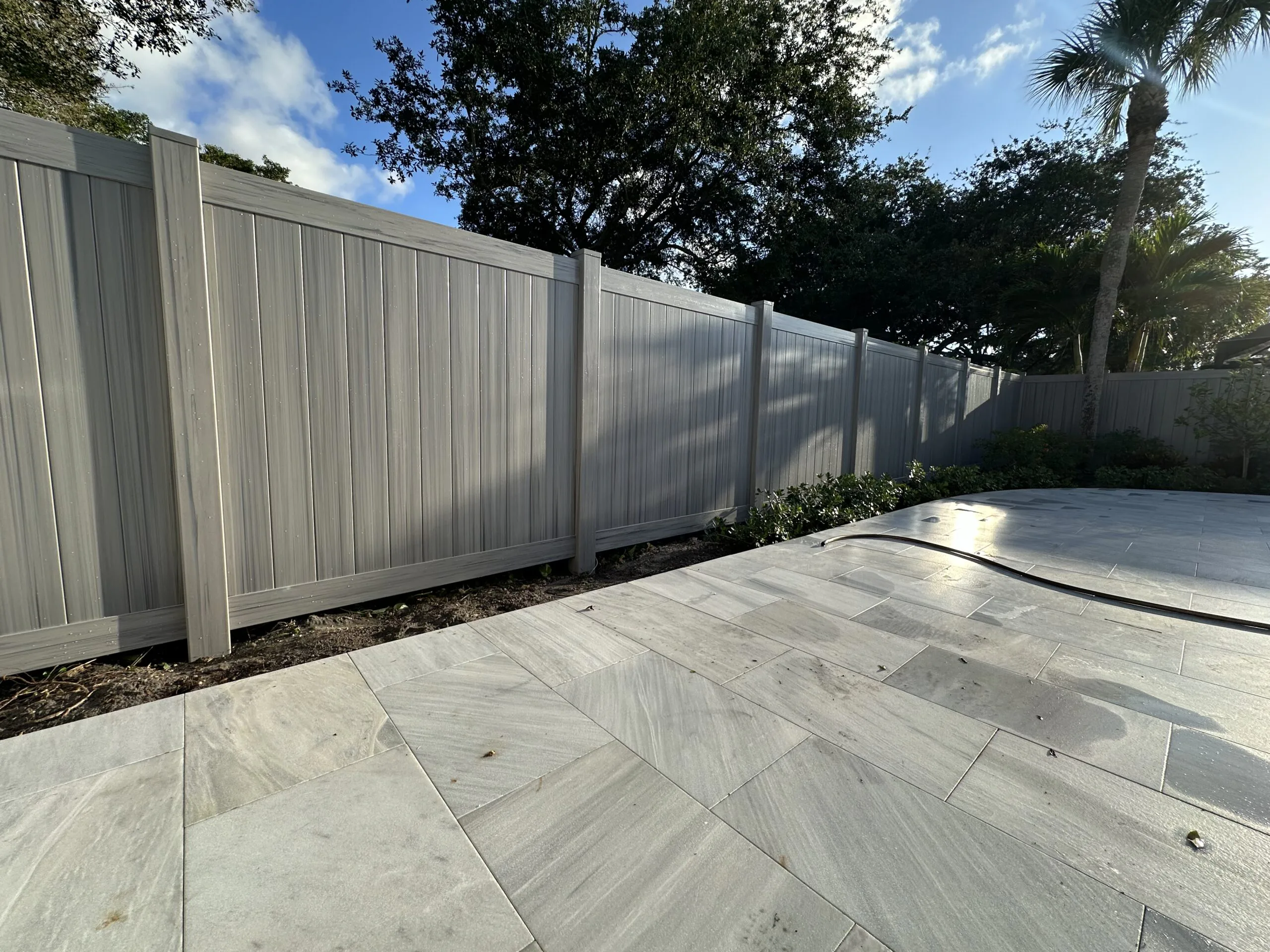
Vinyl Fencing: Manufacturers use polyvinyl chloride (PVC) to create this synthetic fencing, known for its uniform appearance and variety of styles. The extrusion process results in solid, durable panels or rails that mimic picket or privacy styles.
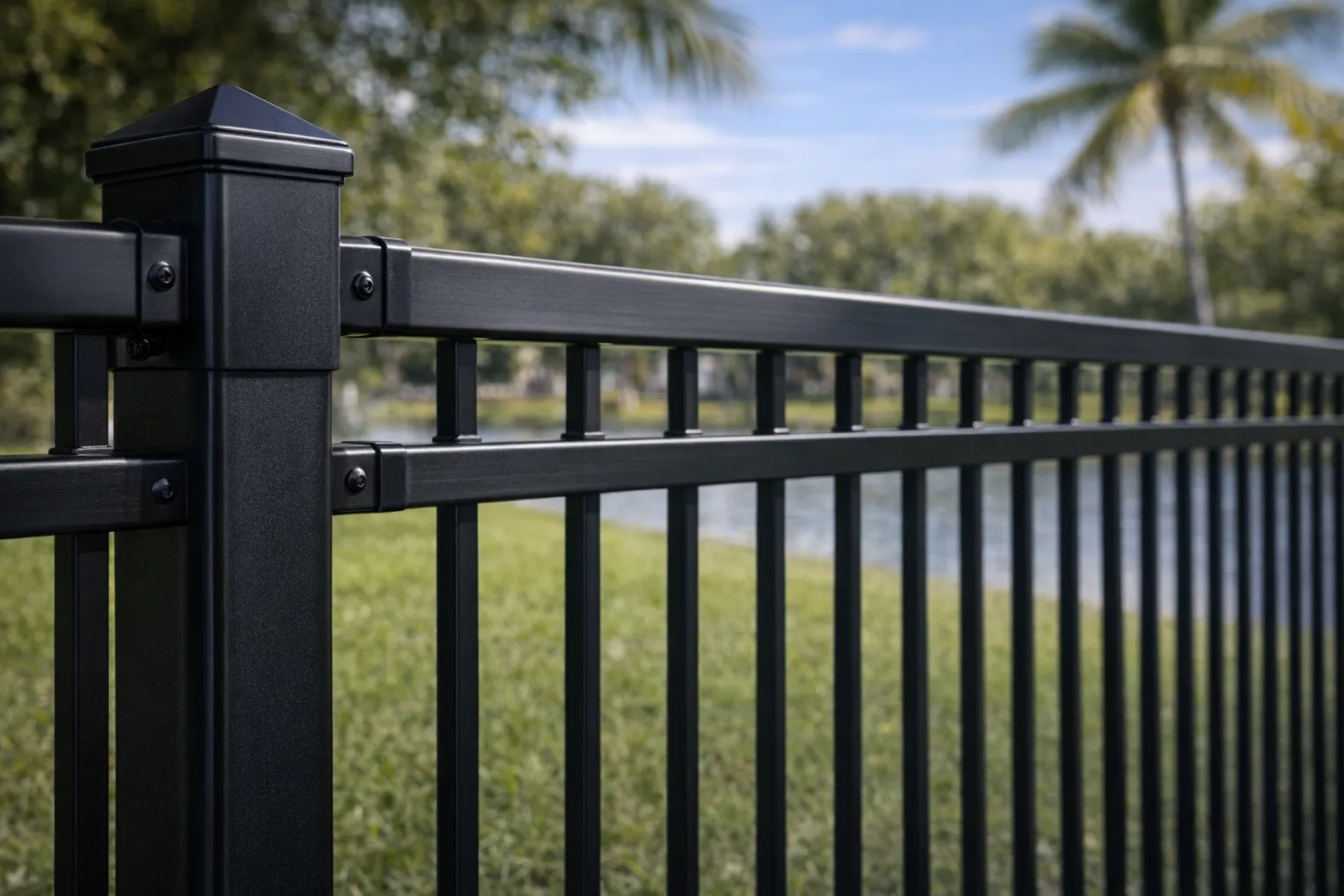
Aluminum Fencing: This option features powder-coated aluminum, offering the elegant look of wrought iron without the heaviness or rust. Installers typically assemble it from prefabricated sections with decorative spears and finials.
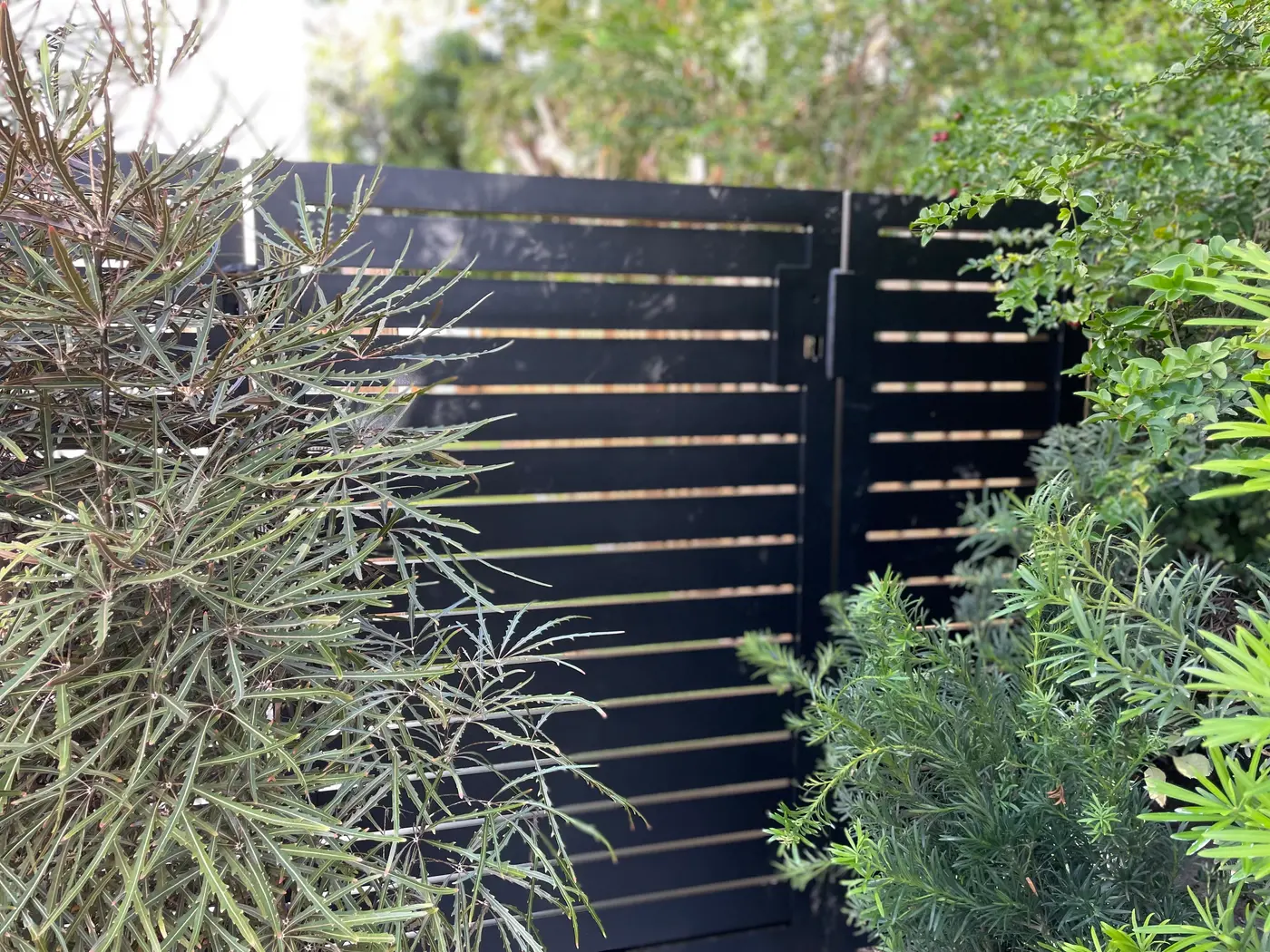
Composite Fencing: A hybrid material, composite fencing blends wood fibers and recycled plastics. It successfully mimics the natural look of wood while providing superior resistance to rot, insects, and weathering.
The Durability & Lifespan Showdown
Long-term resilience is a top priority for any fencing investment.
- Vinyl: Vinyl fights off moisture, insects, and rot very well. It will not rust, corrode, or peel. However, extreme and sustained cold can make it brittle, and a strong impact may cause cracking. You can expect high-quality vinyl to last 20 to 30 years.
- Aluminum: Aluminum offers extreme resilience to rust and corrosion, making it a perfect choice for coastal or humid areas. Its powder coating resists chipping and fading. While structurally strong, a significant force can dent it. Most aluminum fences last between 20 and 50 years.
- Composite: This material provides excellent durability by combining moisture-resistant plastic with structurally strong wood fibers. It resists rotting, splintering, and insect damage. Similar to vinyl, it can sustain damage from impacts. With proper maintenance, a composite fence often lasts 25 years or more.
Winner for Rust/Corrosion Resistance: Aluminum (especially near saltwater).
Winner for Impact Resistance: Aluminum (though severe force can damage all types).
Maintenance Requirements: Effort Over the Years
A key selling point for all three materials is their low maintenance compared to traditional wood.
- Vinyl: Vinyl wins for easy upkeep. You typically only need to rinse it occasionally with a hose or a mild soap solution to remove dirt or mildew. It never requires painting or staining.
- Aluminum: This metal also requires very little maintenance. A periodic wash usually suffices. The powder-coated finish lasts for years, but if a scratch appears, you can touch it up with matching paint to protect the underlying metal.
- Composite: You can classify composite as low-maintenance, but it needs slightly more care than vinyl or aluminum. Clean it annually with soap and water to prevent mold or mildew buildup, particularly in shaded, damp areas. It never needs sealing or staining.
Winner for Lowest Maintenance: Vinyl, followed closely by aluminum.
Aesthetics & Design Flexibility
Your fence should complement your home’s architectural style.
- Vinyl: This material offers great versatility in styles—including privacy, semi-privacy, picket, and ranch rail—and colors like whites, tans, grays, and wood-grain finishes. The look is clean and uniform, though some styles can appear artificial.
- Aluminum: Aluminum provides a classic, elegant, and secure look that many people associate with estate or pool fencing. You’ll usually find it in colors like black, white, bronze, and gray. It offers less inherent privacy unless you add slatted inserts.
- Composite: Composite boasts the most natural, wood-like appearance of the three, featuring textured grain and rich, earth-tone colors. It’s excellent for achieving a modern or rustic look, with design options often focused on privacy and semi-privacy panels.
Winner for a Natural Wood Look: Composite.
Winner for Formal/Ornamental Look: Aluminum.
Winner for Color and Style Variety: Vinyl.
Cost Analysis: Installation & Long-Term Value
Your budget is a decisive factor, so consider both upfront and lifetime costs.
- Vinyl: Expect a mid-to-high upfront cost. Vinyl often costs more than basic aluminum but can be comparable to composite. It delivers excellent long-term value due to nearly zero maintenance costs.
- Aluminum: Aluminum usually carries the lowest upfront material cost of the three. Installation is moderately easy if the terrain is level. Its value comes from its longevity and minimal upkeep needs.
- Composite: Typically the most expensive option upfront, composite’s cost reflects its blended materials and sophisticated manufacturing. Homeowners justify the premium through its durability, authentic aesthetics, and low maintenance, treating it as a long-term investment.
Winner for Lowest Upfront Cost: Aluminum.
Best Long-Term Investment: Subjective, but vinyl and composite offer strong returns through durability and minimal upkeep.
Privacy & Environmental Considerations
- Privacy: Solid vinyl and composite privacy panels are unbeatable for creating a secluded backyard oasis. Aluminum is inherently not a privacy fence unless you modify it with slats or mesh.
- Eco-Friendliness: Composite often leads here, as manufacturers make it from recycled wood and plastic. Aluminum is highly recyclable at the end of its long life. Vinyl (PVC) has faced environmental scrutiny during production, and recycling programs for it are less common.
Making Your Final Choice: Which Fence is Best for You?
The best fence in the vinyl vs aluminum vs composite fence debate depends on your primary goal:
- Choose Vinyl Fencing if: Your top priorities are absolute minimal maintenance, a clean look, and solid privacy at a reasonable long-term cost.
- Choose Aluminum Fencing if: You need a durable, elegant, and affordable fence for security or pool enclosures, live in a humid or coastal region, and don’t require full privacy.
- Choose Composite Fencing if: You desire the authentic look of wood without the maintenance headaches, can invest more upfront, and value environmentally conscious materials.
Consider your local climate, your home’s architectural style, and how you use your yard. By weighing durability, maintenance, aesthetics, and cost, you can select the fence that will protect and enhance your property beautifully for decades to come.