Demystifying Vinyl & PVC Fence Pricing: Your Complete Guide to Costs, Key Factors, and Smart Savings!
Are you considering installing a vinyl or PVC fence but unsure about the total investment? You're not alone. While renowned for their durability and curb appeal, vinyl & pvc fence pricing can vary based on a wide range of factors. In this comprehensive guide, we’ll break down everything you need to know about costs, the key elements that influence price, and practical money-saving tips. From selecting the right style and profile thickness to understanding installation and labor expenses, we’ll help you decode the cost structure. With the right knowledge, you can make confident decisions that provide beauty, privacy, and functionality for your property while staying within your budget. Let’s explore the world of vinyl & pvc fence pricing and empower you to make a smart, long-lasting choice!
Understanding Vinyl & PVC Fence Pricing: An Overview
When planning for a vinyl or PVC fence, it's crucial to grasp the various components that make up the total cost. These fences are favored for their longevity, minimal maintenance, and attractive appearance. However, the final price tag isn't just about the panels. Factors such as height, style, profile thickness (gauge), material quality, and installation complexity all play significant roles in vinyl & pvc fence pricing. Getting a complete overview helps you budget accurately and avoid unexpected expenses.
The cost of materials is a starting point, but expenses for labor, posts, accessories, gates, and any necessary site preparation add up. This guide simplifies these components, giving you a clear framework to estimate your project’s cost and align it with your specific needs and financial plan.
Key Factors Influencing Vinyl & PVC Fence Costs
Several primary factors will determine the final cost of your fence. Understanding these will help you navigate vinyl & pvc fence pricing effectively.
Panel Style and Height: Styles (like solid privacy, semi-privacy, picket, or post-and-rail) and height (4 ft, 6 ft, 8 ft) are major cost drivers. Solid panels and greater heights require more material and are typically more expensive.
Material Quality and Profile Thickness: Not all vinyl/PVC is created equal. The quality of the resin, UV additives, and profile thickness (measured in mils or gauges) directly impact strength, durability, and price. Thicker, higher-quality profiles are more costly but offer better stability and impact resistance.
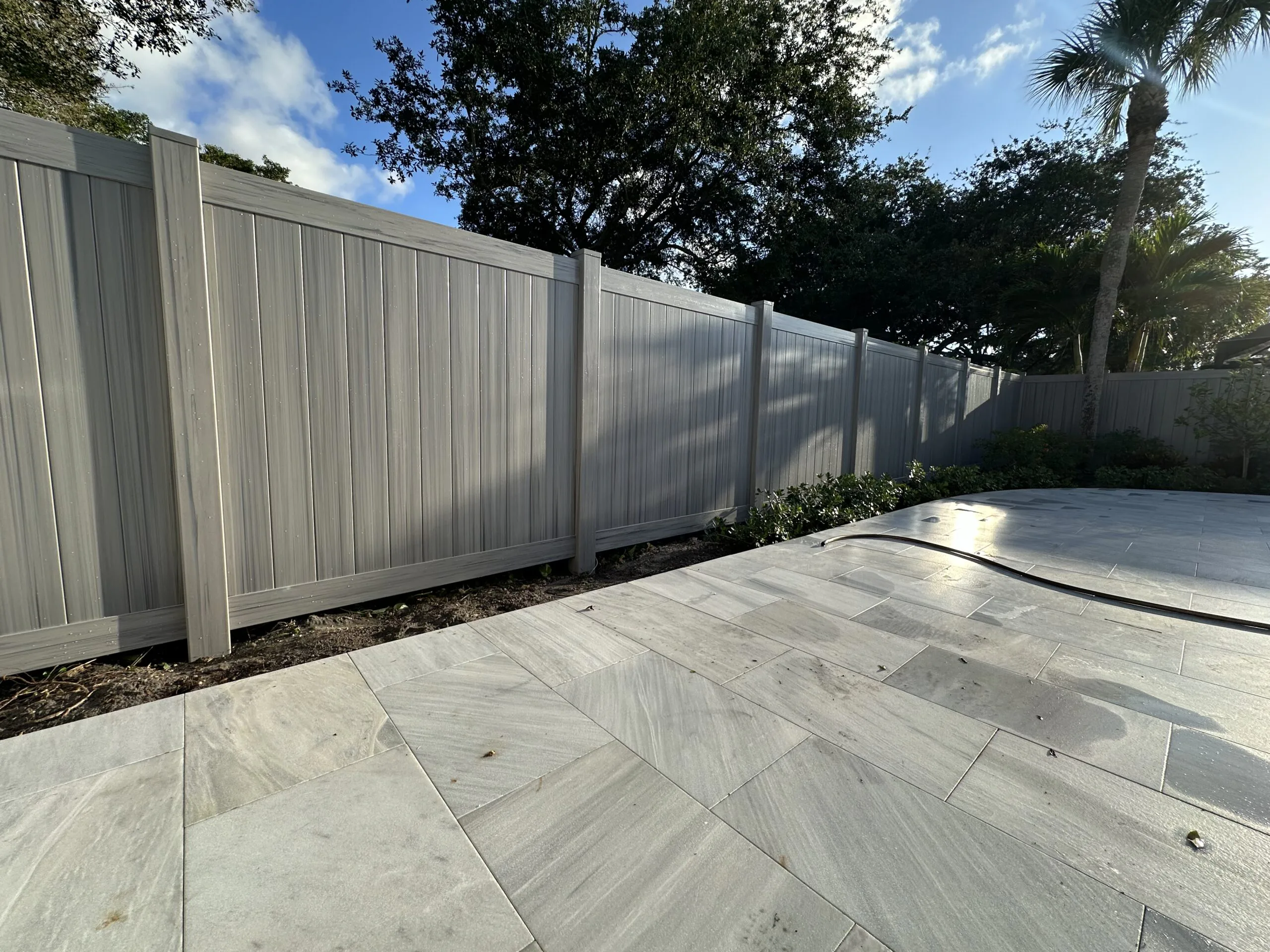
Color and Texture: While white is standard, earth tones (like tan, clay, or grey) and wood-grain textures usually come at a premium. These enhanced aesthetics increase the price.
Labor and Installation Complexity: Professional installation is crucial for a level, durable fence. Labor costs vary and can increase with sloped terrain, rocky soil, the need for many custom cuts, or complex designs with curves.
Regional Variations in Vinyl & PVC Fence Pricing
Where you live significantly influences vinyl & pvc fence pricing. Regional differences stem from material availability, local labor rates, and even climate considerations.
In regions with high demand for construction materials, prices for PVC resin and fittings may be higher. Urban areas typically have higher labor rates compared to rural ones. Additionally, local building codes and permit requirements can vary, adding to the overall project cost in some municipalities. Always check with local contractors for the most accurate regional estimates.
Additional Costs to Consider Beyond Material
To avoid budgeting surprises, consider these often-overlooked expenses in your vinyl & pvc fence pricing calculations.
Permits and Inspections: Many localities require permits for fence installation. Fees vary and are an essential part of your project's legal compliance.
Gates and Hardware: Adding a walk-through gate, service gate, or double-drive gate increases the cost. The type of latch, hinges (standard vs. heavy-duty), and internal frame reinforcement will influence the gate's price.
Site Preparation: If your yard needs clearing, grading, or has obstacles like trees or steep slopes, site preparation will add to the labor cost.
Concrete for Post Setting: The standard method of setting posts in concrete for durability is typically included in labor costs but is a fundamental part of the total expense.
DIY vs. Professional Installation: Making the Right Choice
Deciding between a DIY project and hiring a pro is a critical step. Installing a vinyl fence yourself can save on labor costs, but it requires specific tools (like a specialized vinyl saw), significant physical effort, and a good understanding of how to achieve a level, square, and stable installation. Mistakes can lead to warped panels, weak joints, unsteady posts, or material damage, negating any initial savings.
For a guaranteed professional result that ensures aesthetics, longevity, and proper installation on any terrain, hiring experts is advised. They handle permits, source quality materials, and manage complex installations efficiently.
Money-Saving Tips for Your Vinyl & PVC Fence Project
A vinyl fence is a long-term investment, but you can optimize costs with these tips:
Choose Standard Options: Opt for common heights, standard panel styles, and basic colors (like white) to keep material costs lower. Custom designs and specialty colors carry an upcharge.
Compare Value, Not Just Price: Don't choose based on the lowest bid alone. Invest in good profile thickness and quality material (with solid warranties) to avoid future problems and repair costs.
Prepare the Site Yourself: You can save on labor costs by clearing and marking the fence line yourself before the installers arrive.
Plan Gate Placement Wisely: Limit the number of gates and choose standard sizes. Custom or oversized gates are more expensive.
Get Multiple Quotes: Always obtain 3-4 detailed, written quotes from licensed and insured contractors to compare vinyl & pvc fence pricing and services.
How to Get Accurate Vinyl & PVC Fence Quotes
Accurate quotes are the foundation of good budgeting. Follow these steps:
Measure Precisely: Calculate the linear footage of the proposed fence line as accurately as possible.
Specify Details: Decide on the fence height, style, color, desired profile thickness, and number/type of gates beforehand.
Request Itemized Quotes: Ask contractors to break down costs for materials, labor, permits, and any additional fees. This transparency allows for better comparison.
Ask About Warranties: Inquire about warranties on both materials (often lifetime) and workmanship (typically 1-5 years).
Maintenance Costs and Longevity of Vinyl & PVC Fences
One of the biggest advantages of vinyl and PVC fencing is its extremely low maintenance and long lifespan, which justifies the upfront investment.
Routine Maintenance: Basic care essentially involves occasionally washing the fence with water and mild soap to remove dirt, dust, or mildew. It never needs sanding, painting, or staining.
Repair Costs: While durable, individual panels can be damaged by strong impacts. The benefit is that sections can be replaced in a relatively straightforward, modular fashion.
Resistance to the Elements: Quality vinyl won’t rust, peel, or rot. UV additives prevent it from fading or becoming brittle in the sun, maintaining its look for decades.
Longevity: A quality vinyl or PVC fence, installed professionally, can easily last 25 years or more with minimal care, making it a durable perimeter solution with excellent long-term value.