Transform Your Outdoor Space: The Ultimate Guide to Stylish Wood Gates with Doors
Your outdoor space deserves a wood gate that combines beauty, security, and durability. A well-crafted wood gate is more than just an entry point—it’s a statement piece that enhances your home’s curb appeal and offers privacy. Whether you want a classic rustic design or a sleek modern look, choosing the right wood gate can transform your yard into a welcoming retreat.
Working with professionals like XL Fencing ensures your wood gate is custom-built to fit your style and needs. Their expertise guarantees precise installation, quality materials, and long-lasting finishes that withstand the elements. Plus, they provide expert advice on maintenance to keep your wood gate looking flawless year after year.
Trusting XL Fencing means investing in craftsmanship and peace of mind. Let them help you select, design, and install the perfect wood gate that enhances your property’s charm while providing security and privacy. Elevate your outdoor space with a stunning wood gate that reflects your personal style—professionally installed by XL Fencing.
Benefits of Installing Wood Gates in Your Outdoor Space
When contemplating an enhancement for your outdoor space, wood gates offer a multitude of benefits that go beyond mere aesthetics. Primarily, wood gates provide a significant boost to your property’s security. A sturdy, well-constructed wood gate acts as a barrier, keeping unwanted visitors at bay and giving you peace of mind. This added layer of protection is especially valuable in residential areas where privacy and safety are paramount. Beyond security, wood gates also contribute to the overall privacy of your outdoor space. Whether you’re enjoying a quiet afternoon in your garden or hosting a family gathering, a wood gate ensures that your personal moments remain shielded from prying eyes.
Moreover, wood gates are incredibly versatile and can be tailored to match any architectural style. Whether your home has a classic, rustic charm or a sleek, modern design, there’s a wood gate that will complement its aesthetics perfectly. This adaptability makes wood gates a popular choice among homeowners looking to enhance their property’s curb appeal. A beautifully designed wood gate serves as a focal point, drawing attention to the entrance of your home and creating a welcoming atmosphere for guests. It’s a simple yet effective way to make a lasting first impression.
Additionally, wood gates are known for their durability and longevity. When constructed from high-quality materials and maintained properly, a wood gate can withstand the elements and last for many years. This durability is a significant advantage, as it ensures that your investment will continue to provide benefits long into the future. Furthermore, wood gates are relatively easy to repair and maintain compared to other materials. Should any damage occur, individual sections can often be replaced without the need to overhaul the entire gate. This ease of maintenance adds to the overall appeal of choosing wood gates for your outdoor space.
Choosing the Right Type of Wood for Your Gates
Selecting the appropriate type of wood for your gate is crucial to ensure durability, aesthetic appeal, and overall performance. Different types of wood offer varying benefits, and understanding these can help you make an informed decision. One of the most popular choices for wood gates is cedar. Cedar is renowned for its natural resistance to decay and insect damage, making it an excellent option for outdoor installations. Its distinctive grain and warm hues add a touch of elegance to any setting, and it ages gracefully, developing a beautiful patina over time.
Another excellent choice is redwood, which is prized for its strength and stability. Redwood’s natural oils repel insects and moisture, helping to prevent rot and extending the life of your gate. This wood type also boasts a rich, reddish color that can be enhanced with various finishes to suit your aesthetic preferences. For those seeking a more budget-friendly option, pine is a viable alternative. While not as naturally resistant to the elements as cedar or redwood, pine can be treated with preservatives to improve its durability. Its lighter color and smooth texture make it versatile for different design styles, from rustic to contemporary.
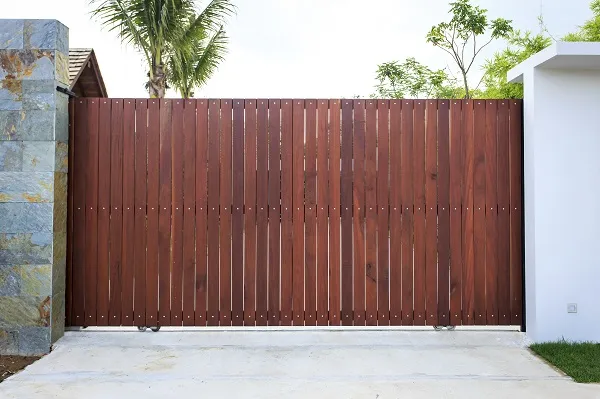
Hardwoods like oak and mahogany are also worth considering, especially for gates that require exceptional strength and resilience. Oak is incredibly sturdy and can withstand heavy use, making it ideal for gates that experience frequent opening and closing. Mahogany, on the other hand, is known for its stunning grain patterns and rich, dark color. It’s a perfect choice for those looking to make a bold statement with their gate. Regardless of the type of wood you choose, it’s essential to source it from reputable suppliers to ensure quality and sustainability. By selecting the right type of wood, you can create a gate that not only looks beautiful but also stands the test of time.
Design Styles for Wood Gates: From Rustic to Modern
When it comes to the design of your wood gate, the possibilities are virtually endless. From rustic charm to modern minimalism, there’s a style to suit every taste and complement any home. Rustic wood gates are characterized by their natural, weathered appearance and often feature intricate carvings or iron accents. These gates are perfect for properties with a country or cottage aesthetic, as they evoke a sense of timelessness and simplicity. A rustic gate can be constructed from reclaimed wood to enhance its authenticity and environmental friendliness.
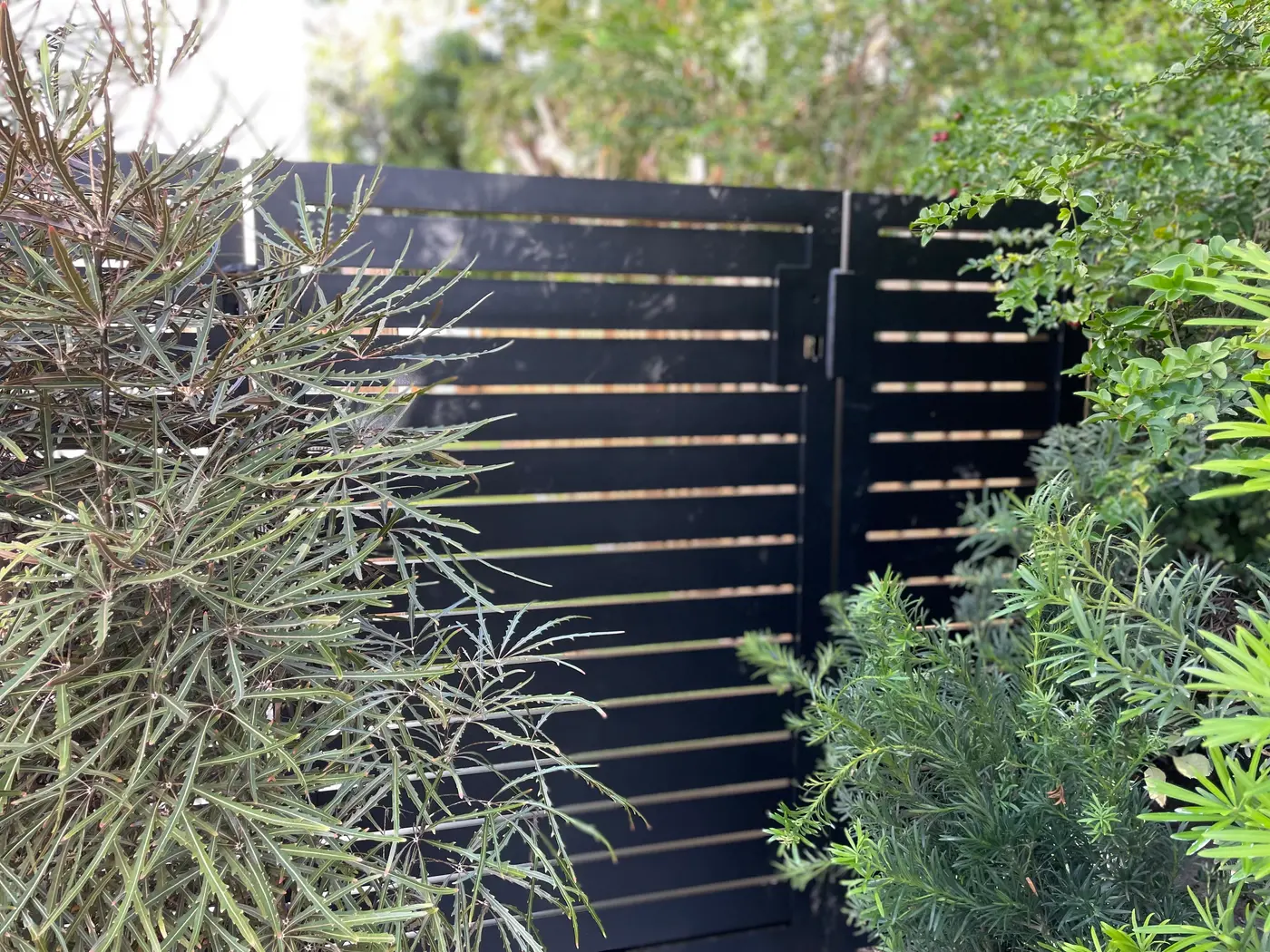
For those who prefer a more contemporary look, modern wood gates offer clean lines and sleek designs. These gates often incorporate geometric patterns and minimalist hardware, creating a streamlined and sophisticated appearance. Modern wood gates can be made from a variety of wood types, each offering a unique texture and color. The use of horizontal slats is a popular design choice, as it creates a sense of openness while maintaining privacy. Additionally, combining wood with materials like metal or glass can add a touch of industrial chic to your gate, making it a standout feature of your property.
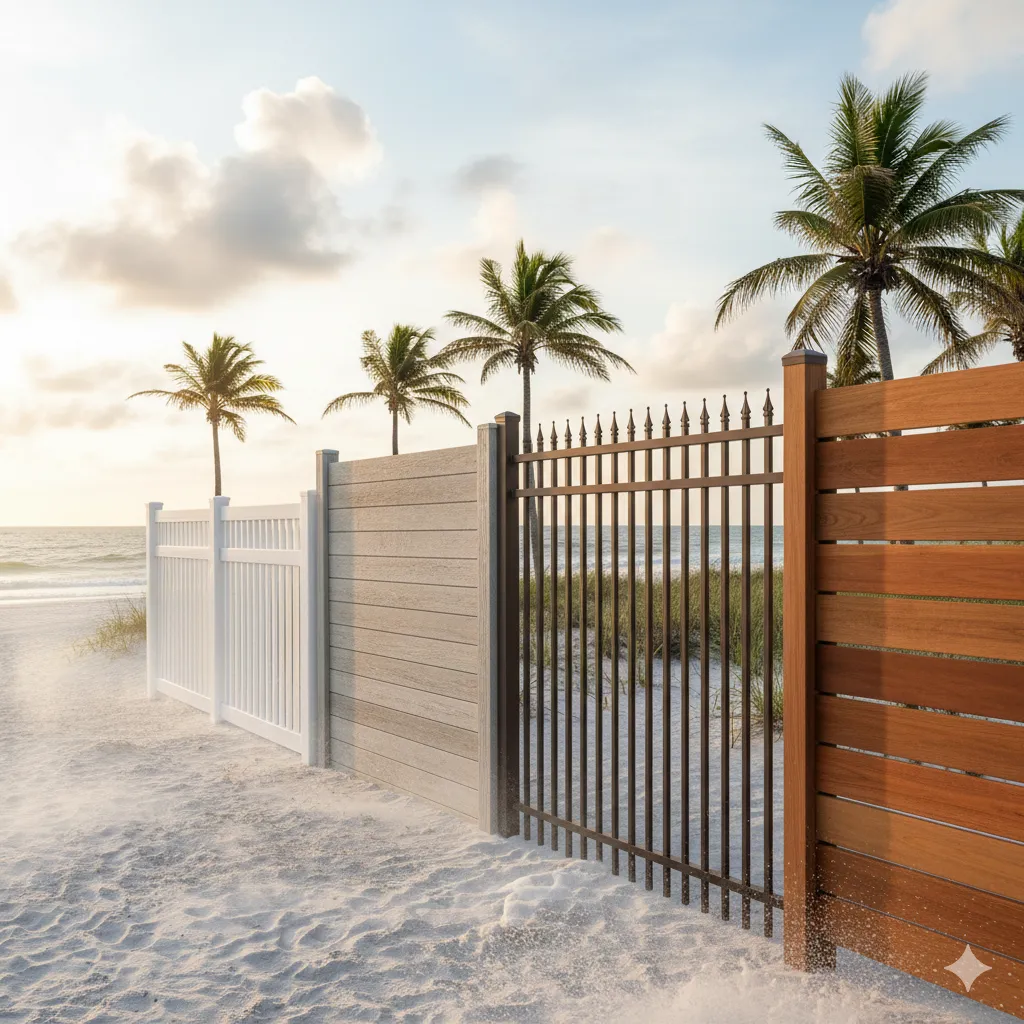
Traditional wood gates remain a perennial favorite, thanks to their classic and elegant design. These gates often feature detailed craftsmanship and ornate decorations, such as scrollwork or lattice panels. Traditional gates can be painted or stained in a variety of colors to match your home’s exterior, and they pair beautifully with wrought iron hardware for a timeless look. Whether you opt for a swinging or sliding gate, a traditional design exudes sophistication and charm.
For those who want to make a bold statement, custom-designed wood gates provide the ultimate in personalization. Working with a skilled artisan or designer allows you to create a gate that perfectly reflects your style and preferences. From unique shapes and patterns to personalized engravings, a custom wood gate is a true work of art that adds a distinctive touch to your outdoor space. No matter which design style you choose, a well-crafted wood gate will enhance the beauty and functionality of your property.
Functional Features: Adding Doors to Your Wood Gates
Incorporating doors into your wood gate design can significantly enhance its functionality and convenience. A pedestrian door, also known as a walk-through gate, allows easy access for individuals without needing to open the entire gate. This feature is particularly useful for properties with frequent foot traffic, such as those with front yards, gardens, or busy households. Pedestrian doors can be seamlessly integrated into the overall design of the gate, ensuring that they do not detract from its aesthetic appeal. They can be equipped with locks and latches for added security, providing a practical solution for everyday use.
Another functional feature to consider is the inclusion of an automatic opening mechanism. Automatic gates offer the ultimate in convenience, allowing you to open and close your gate with the push of a button. This is especially beneficial for driveway gates, as it eliminates the need to manually operate the gate each time you enter or exit your property. Automatic gates can be equipped with various access control systems, such as keypads, remote controls, or even smartphone apps, making it easy to manage access to your property. Additionally, automatic gates can improve security by preventing unauthorized entry and ensuring that the gate is always securely closed.
For those who prioritize accessibility, adding a wider door or gate section can accommodate vehicles, bicycles, or mobility aids. This is particularly important for driveways or larger properties where access for cars and other vehicles is essential. A double swing gate or a sliding gate can provide the necessary width without compromising on style or security. These gates can be constructed with reinforced frames and heavy-duty hinges to ensure they can support the weight and usage demands.
Incorporating these functional features into your wood gate design not only enhances its practicality but also adds value to your property. By choosing the right combination of doors and mechanisms, you can create a gate that meets your specific needs while maintaining the beauty and elegance of your outdoor space.
Maintenance Tips for Longevity of Wood Gates
To ensure your wood gate remains in pristine condition and lasts for many years, regular maintenance is essential. One of the most important aspects of maintaining a wood gate is protecting it from the elements. Applying a high-quality sealant or wood preservative helps to shield the wood from moisture, UV rays, and temperature fluctuations. This protective layer prevents the wood from warping, cracking, or rotting, and it should be reapplied periodically, depending on the product’s recommendations and the climate in your area.
Routine cleaning is another crucial maintenance task. Dirt, dust, and debris can accumulate on the surface of your wood gate, leading to discoloration and potential damage. Use a mild detergent and water to gently clean the gate, and avoid using harsh chemicals or abrasive tools that can scratch the wood. For stubborn stains or mildew, a solution of vinegar and water can be effective. After cleaning, ensure the gate is thoroughly dried to prevent moisture from seeping into the wood.
Inspecting your wood gate regularly for signs of wear and tear is also important. Check for loose or damaged hardware, such as hinges, latches, and screws, and tighten or replace them as needed. Pay attention to any areas where the wood may be splintering or cracking, and address these issues promptly to prevent further damage. Sanding down rough spots and applying wood filler to minor cracks can help maintain the gate’s appearance and structural integrity.
If your wood gate is painted or stained, keeping the finish in good condition is key to its longevity. Over time, paint or stain can fade, chip, or peel due to exposure to the elements. Repainting or restaining the gate periodically not only refreshes its appearance but also provides an additional layer of protection against moisture and UV rays. Choose a high-quality exterior paint or stain that is designed for wood and follow the manufacturer’s instructions for application and drying times.
By following these maintenance tips, you can ensure that your wood gate remains a beautiful and functional feature of your outdoor space for many years to come.
DIY vs. Professional Installation: What You Need to Know
Deciding between a DIY installation and hiring a professional for your wood gate is an important choice. Each option offers advantages and potential drawbacks. Knowing these will help you pick the best approach for your situation.
DIY installation can be rewarding, especially for those who enjoy hands-on work and have solid carpentry skills. It gives you full control over the process, from choosing materials to customizing the design. Another benefit is cost savings, since you avoid paying for labor.
However, DIY installation comes with challenges. Installing wood gates requires precise measurements, cutting, and assembly to ensure proper function. Without the right tools or expertise, mistakes can lead to a misaligned or unstable gate. It can also take a lot of time, especially if you have a busy schedule or limited carpentry experience. Errors may create extra repair costs later.
Hiring a professional offers several advantages. Experienced installers have the skills, tools, and knowledge to ensure a secure and correct installation. They can recommend the best materials and designs for your needs. Professionals also ensure compliance with local building codes, increasing the gate’s durability and lifespan.
Professional installation saves time and effort. Experts can complete the work quickly, letting you enjoy your wood gate sooner. They can handle unexpected issues during installation, giving you peace of mind. While the cost is higher upfront, the quality and longevity often make it worth the investment.
In the end, the choice between DIY and professional installation depends on your skills, resources, and preferences. If you have the ability and time, DIY can be fulfilling. If you want a hassle-free process and a reliable result, hiring a professional is the smarter option.
Enhancing Curb Appeal: Color and Finish Options
The color and finish of your wood gate greatly influence your property’s curb appeal. The right combination can transform your outdoor space and create a lasting impression. Your first decision is whether to paint or stain the gate. Both options have unique benefits. The choice depends on your preferred look and the type of wood.
Painting offers endless color options. You can match your home’s exterior or create a bold contrast. From vibrant hues to soft neutrals, paint can make your wood gate stand out. It also adds protection by creating a barrier against moisture and UV damage. Use high-quality exterior paint made for wood to ensure durability.
Staining enhances the wood’s natural grain and texture. It’s available in light, medium, and dark tones, letting you keep a rustic or traditional feel. Stains maintain the organic beauty of wood while adding some protection from the elements. However, they may need more frequent reapplication compared to paint.
You can also mix both methods. For example, paint the frame and stain the slats for contrast. Add metal accents or carved details for extra charm.
No matter the finish, preparation is key. Sand the surface first. If painting, apply primer to ensure an even coat and long-lasting results. Maintain your gate with regular cleaning and touch-ups to keep it looking fresh.
With a well-chosen color and finish, your wood gate can boost curb appeal and create a welcoming entrance that reflects your style.
Budgeting for Your Wood Gates Project
Budgeting for your wood gate project is essential. It ensures you achieve your desired outcome without overspending. The cost of a wood gate can vary depending on the type of wood, design complexity, size, and added features. By understanding these factors and planning ahead, you can create a budget that fits your financial goals.
The type of wood is a major cost factor. Premium options like cedar, redwood, and mahogany cost more due to their durability and resistance to decay. While they have a higher upfront price, they last longer and require less maintenance. Budget-friendly choices like pine can be treated for durability, but they may need more frequent upkeep and replacement.
Design and size also affect price. Intricate carvings, custom shapes, and decorative elements are usually more expensive than simple designs. Larger gates, such as driveway gates, require more materials and labor, increasing the cost. Balancing your design goals with your budget is key.
Extra features can also raise costs. Automatic opening systems, pedestrian doors, and premium hardware add convenience and security, but they come with an added expense. Decide which features matter most and budget for them. If security is a priority, invest in strong locks and durable hardware over automation.
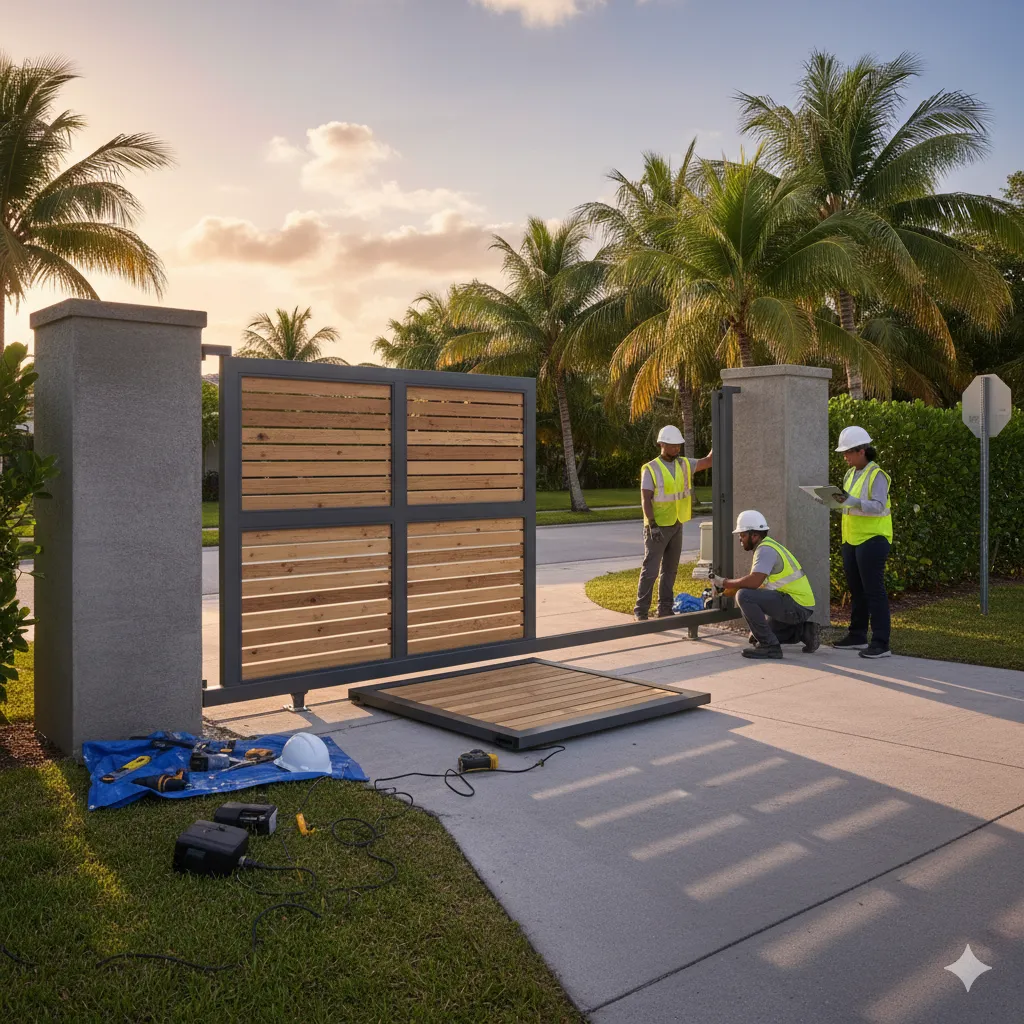
Labor costs should not be overlooked. Hiring a professional ensures a secure, high-quality installation but adds to the expense. Compare quotes from several contractors. Check their experience, reputation, and workmanship before making a choice.
By considering these points and setting a clear budget, you can ensure your wood gate project is a success. Careful planning will give you a beautiful, functional gate that enhances your outdoor space without breaking the bank.