Choosing the best fence materials for backyard privacy and comfort
Your backyard should be your personal sanctuary—a place to relax, entertain, and enjoy time outdoors without feeling exposed. That’s where a well-chosen privacy fence comes in. Selecting the right fence material not only defines your outdoor space but also enhances security, noise reduction, and your home’s curb appeal. With so many options available, deciding which material is best for your needs can be challenging. In this post, we’ll explore the most popular and top-rated fencing materials for backyard privacy, helping you make an informed decision that fits your lifestyle, climate, and budget.
What Makes a Fence Material Ideal for Backyard Privacy?
Before comparing materials, let’s consider what qualities matter most in a privacy fence:
- Height & Panel Design: Privacy fences typically stand 6–8 feet tall and use solid or tightly spaced panels.
- Visibility & Noise Reduction: The best privacy fences block sightlines and help dampen neighborhood noise.
- Durability & Security: A good fence withstands weather, resists damage, and deters unwanted entry.
- Maintenance: Some materials require regular staining or cleaning, while others are virtually maintenance-free.
- Aesthetic Appeal: Your fence should complement your home’s architecture and your personal style.
Top-Rated Fence Materials for Privacy Fencing
Vinyl Privacy Fences
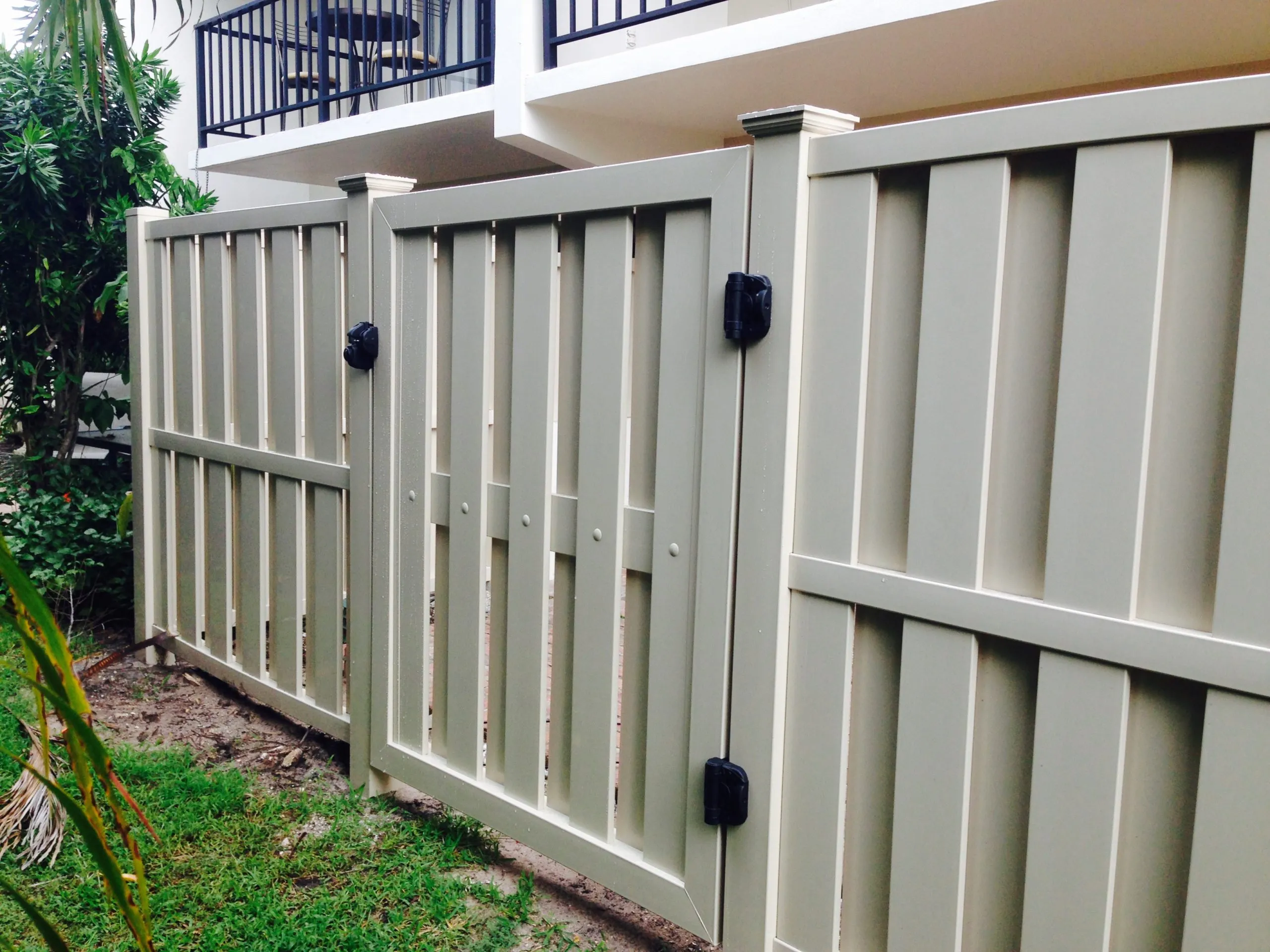
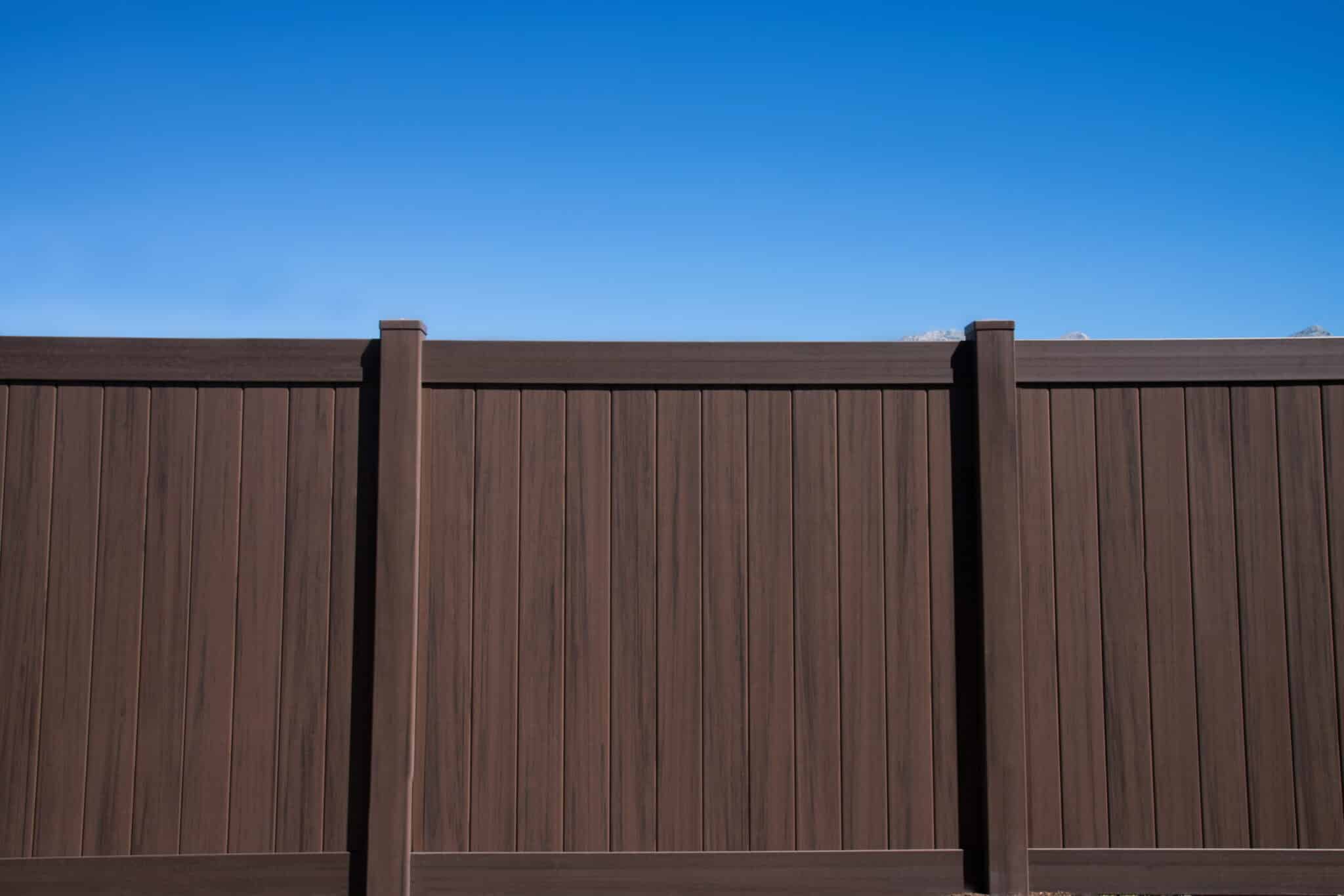
Vinyl fencing offers a clean, uniform look with full-panel or tongue-and-groove designs that ensure complete privacy.
Pros: Extremely low maintenance, won’t rot or fade, weather-resistant, easy to clean.
Cons: Higher upfront cost, can look less natural, limited color and style options.
Wood Privacy Fences
Wood remains a timeless choice, with cedar, pine, and pressure-treated lumber as popular options.
Pros: Natural beauty, highly customizable (picket, board-on-board, shadowbox), can be stained or painted.
Cons: Requires regular maintenance (staining/sealing), susceptible to rot, pests, and weathering over time.
Composite Privacy Fences
Made from a blend of wood fibers and recycled plastics, composite fencing mimics wood without the upkeep.
Pros: Durable, resistant to rot and insects, eco-friendly options available, modern look.
Cons: Higher cost than wood and vinyl, can be heavy, style selections may be limited.
Aluminum Privacy Fence Options
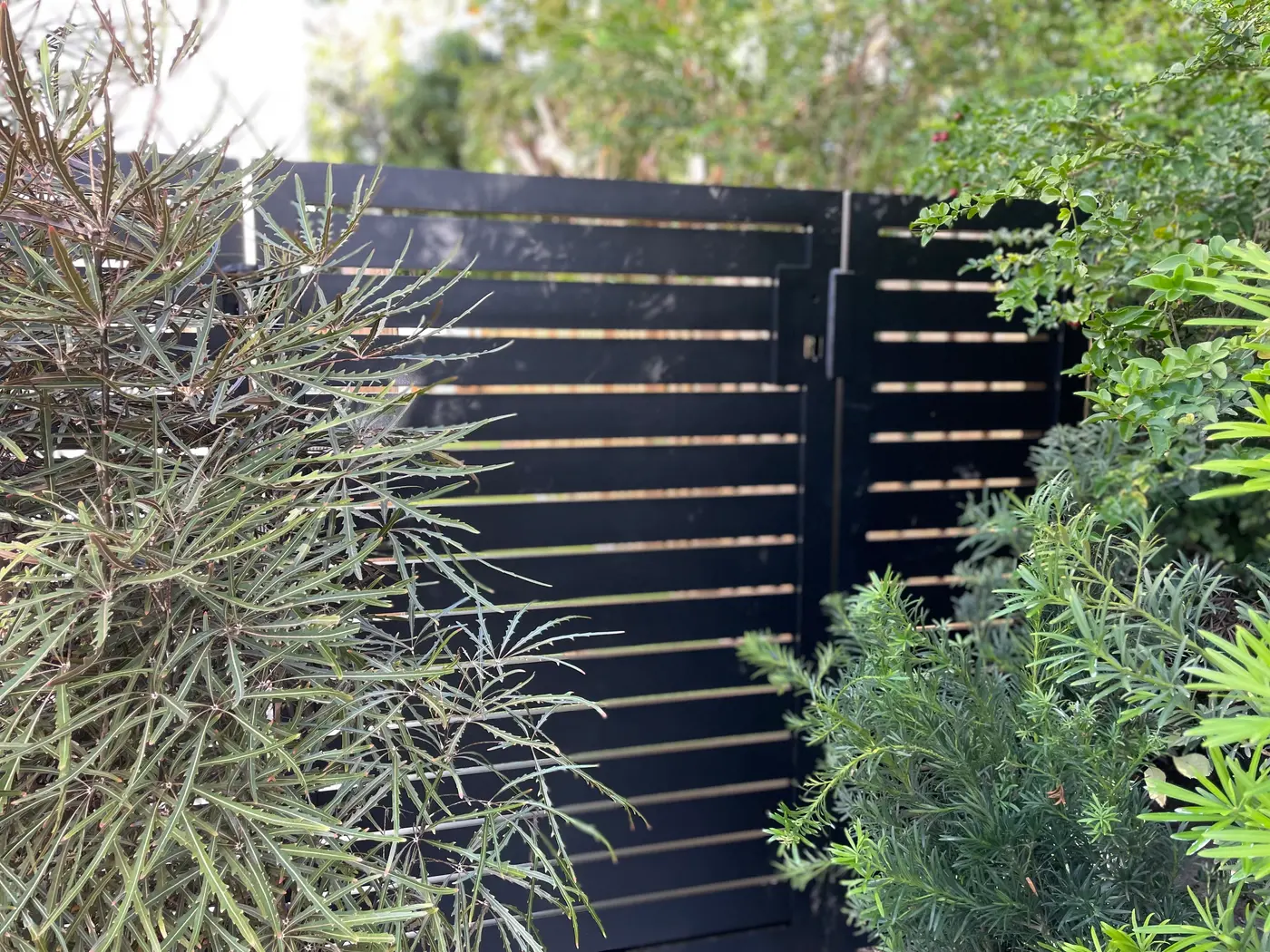
Aluminum privacy fences often use solid inserts or slatted designs to create seclusion.
Pros: Strong, rust-resistant, long-lasting, sleek modern aesthetics.
Cons: Can feel less substantial, may require inserts for full privacy, less natural appearance.
PVC & Plastic Privacy Fences
Similar to vinyl but often made with different manufacturing processes, PVC fences are entirely synthetic.
Pros: Excellent moisture resistance, very long lifespan, no painting or sealing needed.
Cons: Can expand/contract with temperature changes, may not have the same rigidity as vinyl or wood.
Privacy Fence Materials by Climate & Location
- Hot & Humid Climates: Vinyl, aluminum, and composite resist moisture and mildew.
- Cold & Snowy Regions: Vinyl and composite handle freeze-thaw cycles well; avoid untreated wood.
- Coastal & High-Wind Areas: Aluminum and vinyl are corrosion-resistant and sturdy; wood may require extra treatment.
Maintenance & Longevity of Privacy Fence Materials
- Vinyl/PVC: Occasional washing; lifespan of 20–30+ years.
- Wood: Staining/sealing every 2–5 years; lifespan of 10–20 years (depending on upkeep).
- Composite: Annual cleaning; lifespan of 25+ years.
- Aluminum: Rarely needs maintenance; lifespan of 30+ years.
Cost Considerations for Backyard Privacy Fences
Material cost is just one part of the equation—installation, gates, and terrain also affect the final price. While wood may be cheaper upfront, long-term maintenance adds up. Vinyl and composite offer better long-term value with minimal upkeep. Always get multiple quotes and consider both initial investment and lifetime costs.
Design & Style Considerations for Privacy Fences
From solid panels to semi-private lattice tops, your fence design should match your home’s style. Wood offers rustic charm; vinyl and composite provide clean lines; aluminum suits modern homes. Color choices range from natural wood tones to whites, grays, and even black.
How to Choose the Best Privacy Fence for Your Backyard
- Assess Your Needs: How much privacy, noise reduction, and security do you need?
- Review HOA & Local Codes: Check height, material, and placement restrictions.
- Evaluate Maintenance Willingness: Be realistic about the time you’ll invest in upkeep.
- Set a Budget: Include both material and professional installation costs.
- Consider Professional Installation: Ensures proper placement, durability, and warranty protection.
Conclusion
Choosing the right privacy fence material depends on your priorities:
- For low maintenance & durability: Vinyl or composite.
- For natural beauty & customization: Wood (with proper upkeep).
- For modern style & strength: Aluminum with privacy panels.
- For moisture resistance & longevity: PVC or vinyl.
By weighing privacy needs, climate, budget, and design preferences, you can select a fence that enhances your backyard for years to come. When in doubt, consult a fencing professional to help bring your vision to life.