How to choose the best privacy fence for comfort, security and style
Creating a private sanctuary in your backyard is a top priority for many homeowners. A well-chosen privacy fence does more than just mark a boundary. In fact, it actively shields your outdoor living space from view, reduces noise, and enhances security. With numerous materials and styles available, selecting the right one can feel overwhelming. This guide breaks down the top options, comparing their aesthetics, durability, and maintenance to help you find the perfect barrier for your personal oasis.
Classic Wood Privacy Fences: Natural Beauty and Customization
Wood remains a timeless and popular choice for a privacy fence. Its natural warmth and versatility are its greatest assets.
- Popular Styles: Solid board, board-on-board, and shadowbox designs offer complete seclusion. Alternatively, stockade or close-board styles provide a more rustic look.
- Material Options: Cedar and redwood are naturally resistant to rot and insects. On the other hand, pressure-treated pine is a more economical, yet durable option.
- Pros: This material offers unmatched natural beauty, can be stained or painted any color, and provides excellent sound dampening.
- Cons: However, it requires regular maintenance like staining or sealing every 2-3 years. Additionally, it is susceptible to warping, rotting, and insect damage over time.
Ultimately, for homeowners who value a classic, customizable look and don't mind periodic upkeep, a wood privacy fence is an excellent choice.
Modern Vinyl Privacy Fences: Low-Maintenance Durability
Vinyl fencing has become a mainstream favorite for those seeking a clean, long-lasting privacy fence with minimal work.
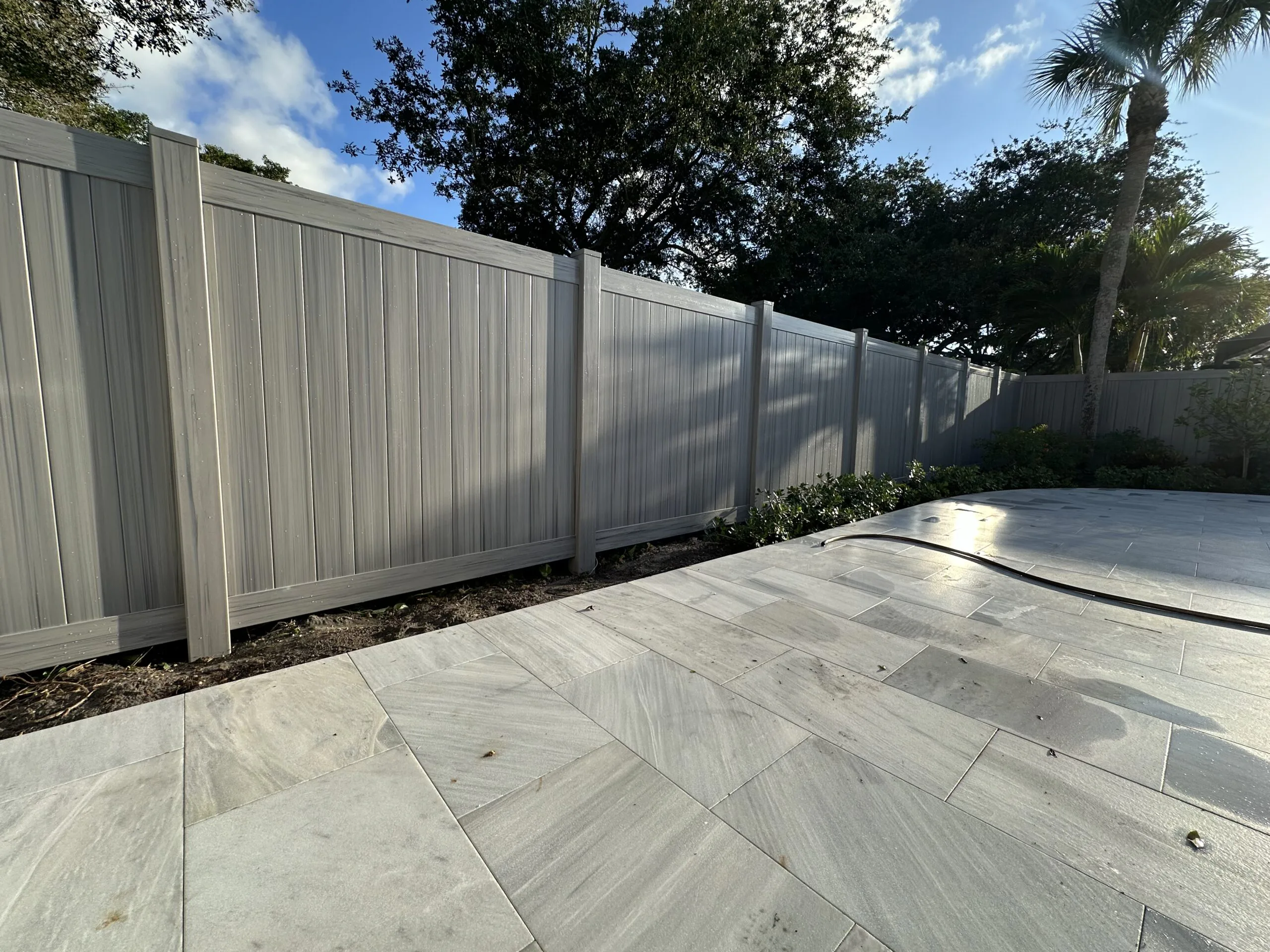
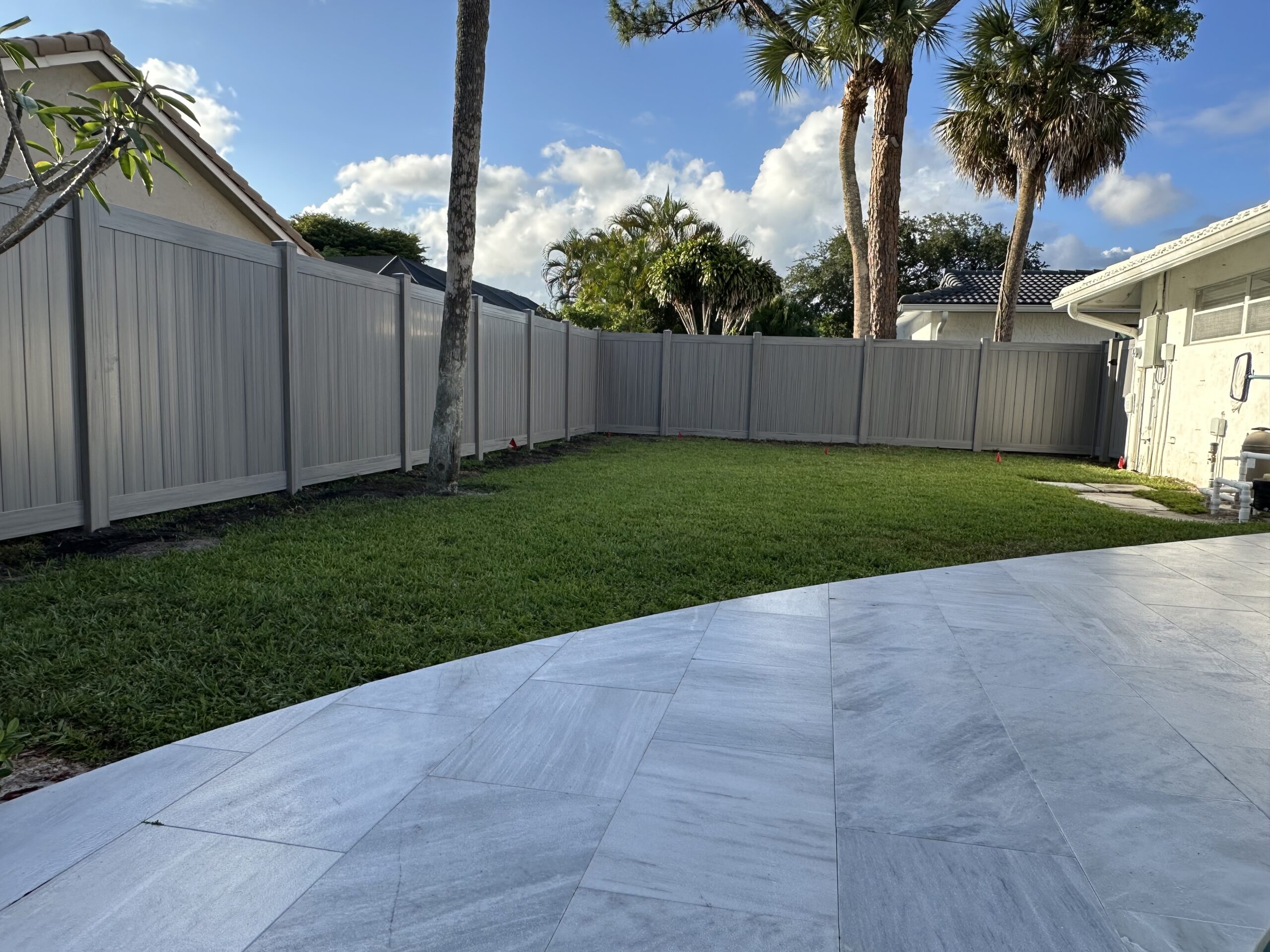
- Design Features: These fences typically feature solid panels or tongue-and-groove boards that lock together seamlessly. As a result, they leave no gaps and are available in white, tan, gray, and wood-grain textures.
- Pros: They are virtually maintenance-free, requiring only occasional washing. Furthermore, they won't rot, fade significantly, or require painting, offering a uniform, tidy appearance for decades.
- Cons: The main drawbacks are a higher upfront cost than basic wood and potential damage from extreme impact. Also, color options are fixed and cannot be painted later.
Therefore, vinyl is ideal for homeowners who want a "install it and forget it" privacy fence that maintains a consistent, polished look.
Composite Privacy Fences: The Best of Both Worlds
Composite fencing is a premium hybrid material. Specifically, it's made from wood fibers and recycled plastics and is designed to mimic wood without its drawbacks.
- Aesthetic Appeal: It offers the most realistic wood-grain texture and varied coloring of any synthetic material, available in many earthy tones.
- Pros: The material is extremely durable and resistant to rot, splintering, and insects. Moreover, it requires only occasional cleaning and has a long lifespan. Often, it is considered more environmentally friendly due to its recycled content.
- Cons: The primary downside is the highest initial cost of the main fencing materials. It can also be heavier, often requiring professional installation.
In summary, choose composite for a high-end, natural-looking privacy fence where budget is secondary to longevity and eco-conscious materials.
Aluminum Privacy Fences with Solid Inserts: Strength Without Rust
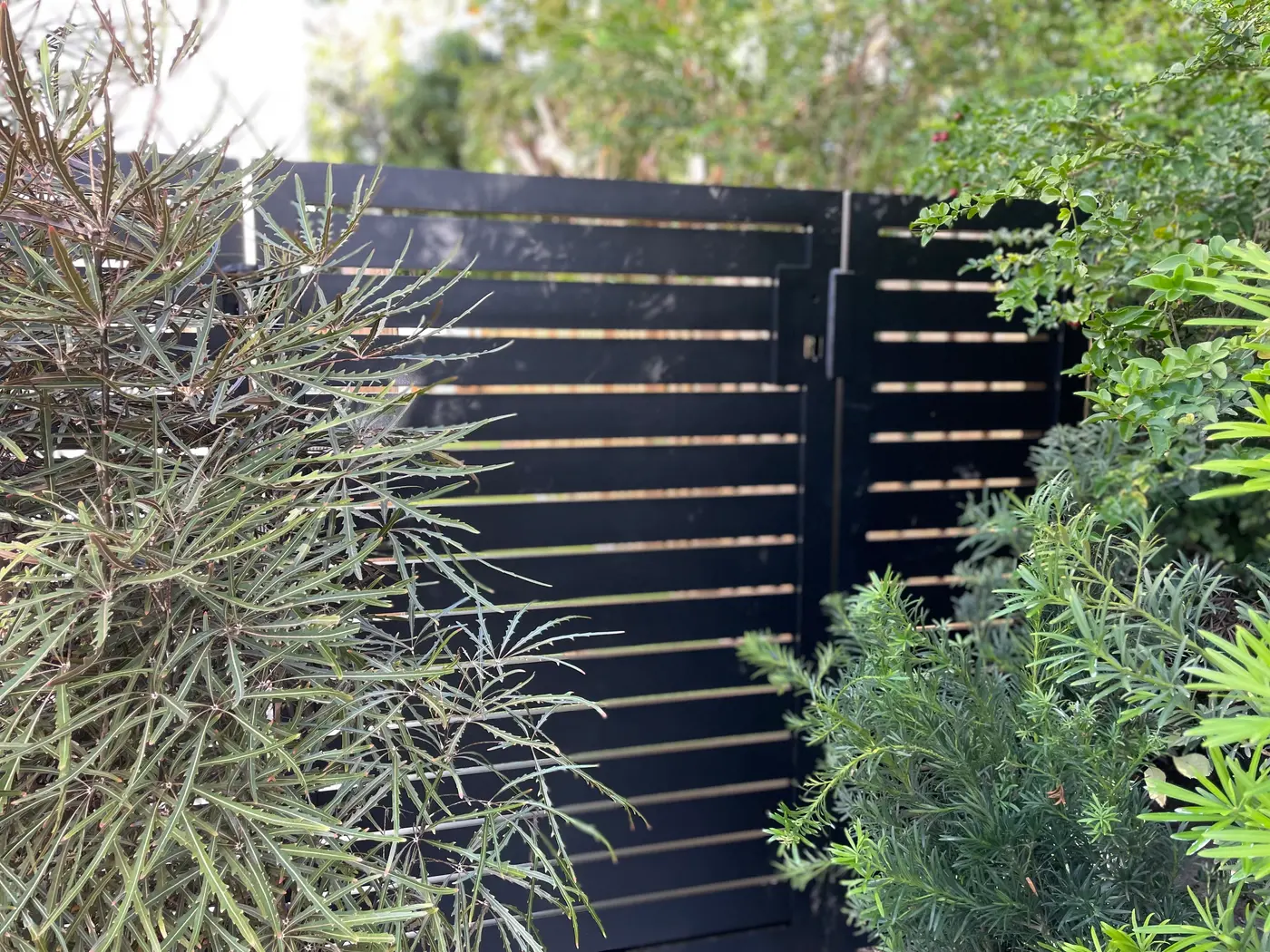
While often used for decorative borders, aluminum can be an outstanding privacy fence when fitted with solid panels or inserts.
- How it Works: Ornamental aluminum fence frames are fitted with custom privacy slats, metal panels, or acrylic sheets between the pickets.
- Pros: This approach provides the unmatched strength and zero-rust durability of aluminum with complete seclusion. It also offers a sleek, modern or traditional ornamental look.
- Cons: On the downside, it is typically more expensive than vinyl or wood. Furthermore, the installation is a two-part process involving the frame and then the inserts.
Consequently, this option is perfect for those who want the crisp, elegant lines of metalwork while achieving full backyard privacy.
Living Privacy Fences: Natural Greenery
For a truly organic barrier, consider a living privacy fence. This involves planting dense, fast-growing shrubs, trees, or hedges.
- Popular Plants: Emerald Green Arborvitae, Leyland Cypress, Bamboo (with root barriers), and Privet are classic choices.
- Pros: This method creates a beautiful, eco-friendly, and sound-absorbing natural wall. It also increases property biodiversity and can improve air quality.
- Cons: However, it takes several years to reach full height and density. Ongoing care includes regular watering, feeding, and pruning. There is also a chance it could attract pests and may not provide a uniform barrier.
Thus, a living fence is a long-term investment for gardeners and nature lovers who want a dynamic, green privacy fence.
Comparing Your Top Privacy Fence Options
| Material | Privacy Level | Maintenance | Durability/Lifespan | Relative Cost |
|---|---|---|---|---|
| Wood | Excellent | High (Stain/Seal) | 10-20 years (with upkeep) | Low to Medium |
| Vinyl | Excellent | Very Low | 20-30+ years | Medium to High |
| Composite | Excellent | Low (Wash) | 25+ years | High |
| Aluminum w/ Insert | Excellent | Low (Wash) | 30+ years | High |
| Living Fence | Good to Excellent | High (Water/Prune) | Indefinite (with care) | Varies |
Choosing and Installing Your Privacy Fence
Before deciding, check local zoning laws and HOA rules for height restrictions (commonly 6-8 feet for rear yards) and material approvals. It is also crucial to always mark your property line accurately. For most material types, especially vinyl, composite, and aluminum, professional installation is recommended. This ensures stability, warranty validity, and a perfect finish. Remember, a privacy fence is a significant investment that pays dividends in comfort, security, and enjoyment for years to come.
Your private retreat awaits
The best privacy fence for your backyard balances your desired aesthetic, maintenance tolerance, and budget. For traditional charm, choose wood. For effortless durability, select vinyl. If you prefer a premium natural look, invest in composite. For modern strength, consider aluminum with panels. Finally, for an eco-friendly project, cultivate a living fence. By understanding the strengths of each option, you can confidently select the fence that will transform your backyard into the private retreat you’ve always wanted.
Ready to explore privacy fence options for your home?
Contact us today for a consultation! Our experts can help you compare materials, provide accurate quotes, and ensure your new privacy fence is installed perfectly for maximum enjoyment and longevity.