What Homeowners Should Expect Before Choosing a PVC Fence in South Florida
Before choosing a PVC fence installation in South Florida, homeowners need a clear guide. This article explains the critical differences between cheap and high-quality PVC fencing. Specifically, we will focus on wind resistance, Miami-Dade approval, material quality, titanium dioxide content, HOA compliance, permitting, and long-term durability in our unique environment.
PVC Is Popular — and Often Misunderstood
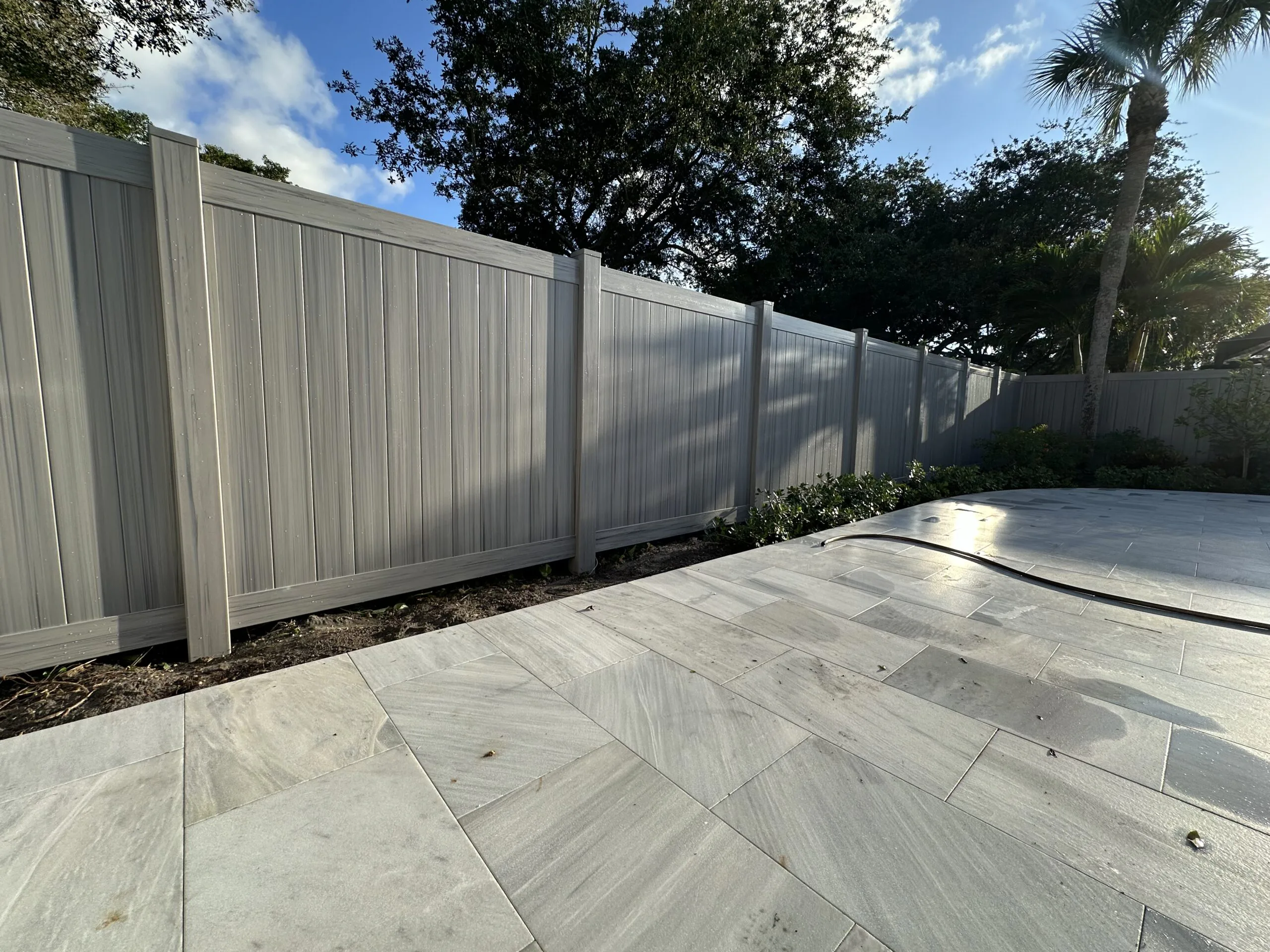
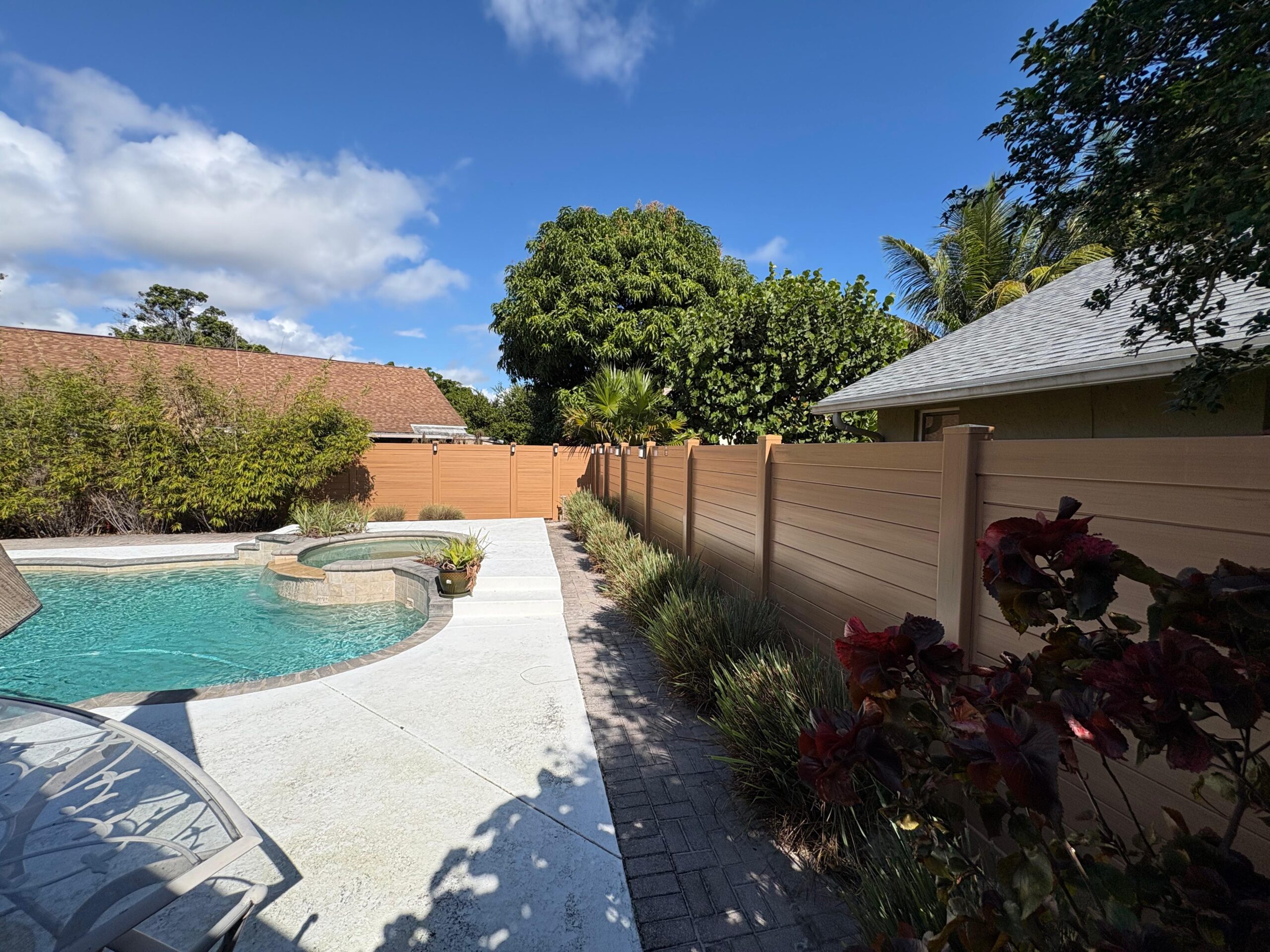
PVC fencing is one of the most popular residential fence options in South Florida; however, many people misunderstand it. From a distance, nearly all PVC fences look the same. The real differences, therefore, are hidden inside the material, the engineering of the system, and the quality of the installation.
An Important Reality About Wind
First, it is crucial to understand that no PVC fence is hurricane-proof. Any claim suggesting otherwise is misleading. However, a properly engineered and professionally installed PVC fence can support wind gusts up to approximately 85 MPH, which is critical for normal and severe South Florida storm conditions.
Why Miami-Dade Approval Matters
Miami-Dade County has some of the strictest building and wind standards in the country. Consequently, a Miami-Dade-approved PVC fence system provides added confidence for homeowners in Broward and Palm Beach County because engineers have evaluated it for structural integrity and wind resistance.
Why PVC Fence Quality Matters in South Florida
South Florida presents extreme challenges for fencing materials. These include intense sun, humidity, high winds, sandy soil, strict permitting, HOA standards, and pool safety regulations. As a result, PVC fences built to minimum national standards often fail under these demanding conditions.
Looks Can Be Deceiving
Initially, low-quality and high-quality PVC fences look nearly identical in photos and brochures. Unfortunately, homeowners usually discover the difference only after panels flex, gates sag, posts move, or repairs become necessary.
Thickness Is Critical for Strength
Material thickness is one of the most important factors in PVC fence performance. For this reason, high-quality systems use thicker wall profiles and reinforced components specifically designed to resist movement and wind load.
Titanium Dioxide: The Most Important Ingredient
Titanium dioxide protects PVC from UV damage and premature breakdown. Importantly, it is the most expensive component in a PVC fence, and some manufacturers reduce or hide it to cut costs. Low titanium dioxide content leads directly to brittleness and reduced longevity under the South Florida sun.
The Risk of Cheap Imported PVC
Many low-cost PVC fences are imported and designed to compete on price alone. These systems often use thinner material, reduced titanium dioxide, and limited engineering; furthermore, they offer shorter or unclear warranties.
Why Big-Box PVC Fencing Is Different
PVC fencing sold at major home improvement retailers is typically designed for DIY or light-duty use. These systems rely heavily on screws and lack the engineering for long-term performance in South Florida.
Fully Interlocking Systems vs. Screws
In contrast, professional-grade PVC fencing uses fully interlocking components that eliminate exposed screws. This design reduces corrosion, discoloration, and the long-term maintenance issues common with lower-end systems.
Permits, HOA Approval, and Pool Safety
Residential PVC fencing in Broward and Palm Beach County often requires permits, inspections, HOA approval, and compliance with Florida pool safety regulations. Therefore, quality systems are designed with these specific requirements in mind.
Lifetime Warranties and USA Manufacturing
A lifetime manufacturer’s warranty and USA-made materials are strong indicators of a fence system designed for long-term performance and accountability.
Low Price Usually Means Low Standards
Extremely low pricing typically guarantees the cheapest material and the least qualified installation crews. Ultimately, PVC fencing does not tolerate shortcuts well.
Final Thoughts
In summary, PVC fencing can be an excellent long-term solution when the system is engineered properly, the materials are high quality, and professionals handle the installation. In South Florida, what you do not see matters most.
Frequently Asked Questions
Is PVC fencing hurricane-proof?
No. No fence material is hurricane-proof. However, high-quality PVC fencing can support wind gusts up to approximately 85 MPH.
Why is Miami-Dade approval important?
It indicates the fence system meets strict wind and building standards, providing confidence in its durability.
Does PVC thickness really matter?
Yes. Thicker profiles provide significantly more strength and durability against wind and impact.
What does titanium dioxide do in PVC fencing?
It protects PVC from UV damage and premature breakdown, which is essential in South Florida.
Are cheap PVC fences worth it?
In South Florida, low-cost PVC fencing usually leads to higher long-term costs due to repairs and early replacement.
Next Steps for Homeowners
If you are considering a PVC fence in Broward or Palm Beach County, working with professionals who understand local codes, HOA standards, and South Florida conditions can save time, money, and long-term frustration.
Schedule a consultation to discuss a high-quality, Miami-Dade–approved, engineered PVC fence system designed specifically for South Florida homes.