Transform your outdoor space: The ultimate guide to privacy wood fences for homeowners
Imagine stepping into your backyard, enveloped in serene privacy, far from the eyes of the outside world. Transforming your outdoor space doesn’t have to be a daunting task—it can be an exciting journey! Wood fences offer the perfect blend of functionality and aesthetic appeal, allowing you to create a sanctuary tailored to your lifestyle. Whether you seek a natural look to harmonize with the environment or a sleek design to enhance your modern home, this ultimate guide will walk you through the essentials of choosing, installing, and maintaining privacy wood fences. From selecting the right type of wood to understanding the installation process, we’ve got you covered every step of the way. Dive in, and discover how a well-crafted wood fence can not only elevate your property's curb appeal but also provide the privacy and peaceful retreat you deserve. Let’s unlock the potential of your outdoor space together!
Benefits of installing a privacy wood fence
Installing a privacy wood fence offers a multitude of benefits that can significantly enhance your outdoor living experience. Firstly, one of the primary advantages is the increased privacy it provides. A well-constructed wood fence acts as a barrier, shielding your backyard from prying eyes and giving you the freedom to enjoy your space without feeling exposed. This sense of seclusion can transform your yard into a personal retreat where you can relax, entertain, and spend quality time with family and friends without any disturbances.
In addition to privacy, wood fences are renowned for their aesthetic appeal. They come in a variety of designs and finishes, allowing you to choose a style that complements your home and landscaping. Whether you prefer the rustic charm of a traditional picket fence or the sleek lines of a modern horizontal slat fence, wood can be tailored to fit any architectural style. The natural beauty of wood also adds warmth and character to your property, enhancing its overall curb appeal and potentially increasing its market value.
Another significant benefit of installing a privacy wood fence is its functionality. Wood is a durable and robust material that can withstand various weather conditions, making it an excellent choice for long-term use. It also provides a sound barrier, reducing noise pollution from nearby roads or neighbors. Furthermore, a wood fence can serve as a protective boundary for pets and children, keeping them safe within the confines of your yard. With proper maintenance, a wood fence can last for many years, offering both practical and aesthetic benefits that make it a worthwhile investment for any homeowner.
Types of wood suitable for fencing
When selecting the right type of wood for your privacy fence, it's essential to consider factors such as durability, appearance, and resistance to weather and pests. Cedar is a popular choice due to its natural resistance to rot and insects. Its rich color and fine grain provide a beautiful finish that can enhance any outdoor space. Cedar also has natural oils that help preserve the wood, making it a low-maintenance option that can last for many years with minimal upkeep.
Redwood is another excellent option for wood fencing. Known for its stunning reddish hue and natural resistance to decay and insects, redwood is both durable and aesthetically pleasing. It has a tight grain pattern that adds to its strength, making it less prone to warping and splitting. While redwood tends to be more expensive than other types of wood, its longevity and minimal maintenance requirements can make it a cost-effective choice in the long run.
Pine is a more affordable option that is commonly used for wood fences. Treated pine is especially popular because it undergoes a pressure treatment process that enhances its resistance to rot, insects, and weathering. While it may not have the same natural beauty as cedar or redwood, pine can be stained or painted to achieve the desired look. It's a versatile option that can be used for various fence styles, providing a balance between cost and performance.
Key considerations before installing a privacy fence
Before embarking on the installation of a privacy wood fence, there are several important considerations to keep in mind to ensure a successful project. The first step is to check local zoning laws and regulations. Different municipalities have specific guidelines regarding fence height, placement, and design. It's crucial to obtain any necessary permits and make sure your fence complies with these regulations to avoid potential fines or the need to alter your fence after installation.
Another key consideration is the purpose of your fence. Understanding why you want a privacy fence will help you determine the best design and materials for your needs. Are you primarily seeking privacy from neighbors, or is security a top priority? Do you want to create a safe play area for children and pets, or are you looking to enhance the aesthetic appeal of your property? Clarifying the purpose will guide your choices and ensure the fence meets your specific requirements.
Additionally, it's important to consider the maintenance and longevity of your fence. Different types of wood require varying levels of upkeep to maintain their appearance and structural integrity. Research the maintenance requirements of your chosen wood and be prepared to invest time in regular cleaning, staining, or sealing to protect the wood from weathering and pests. Understanding the long-term care involved will help you make an informed decision and ensure your fence remains a beautiful and functional addition to your property for years to come.
Design ideas for your privacy wood fence
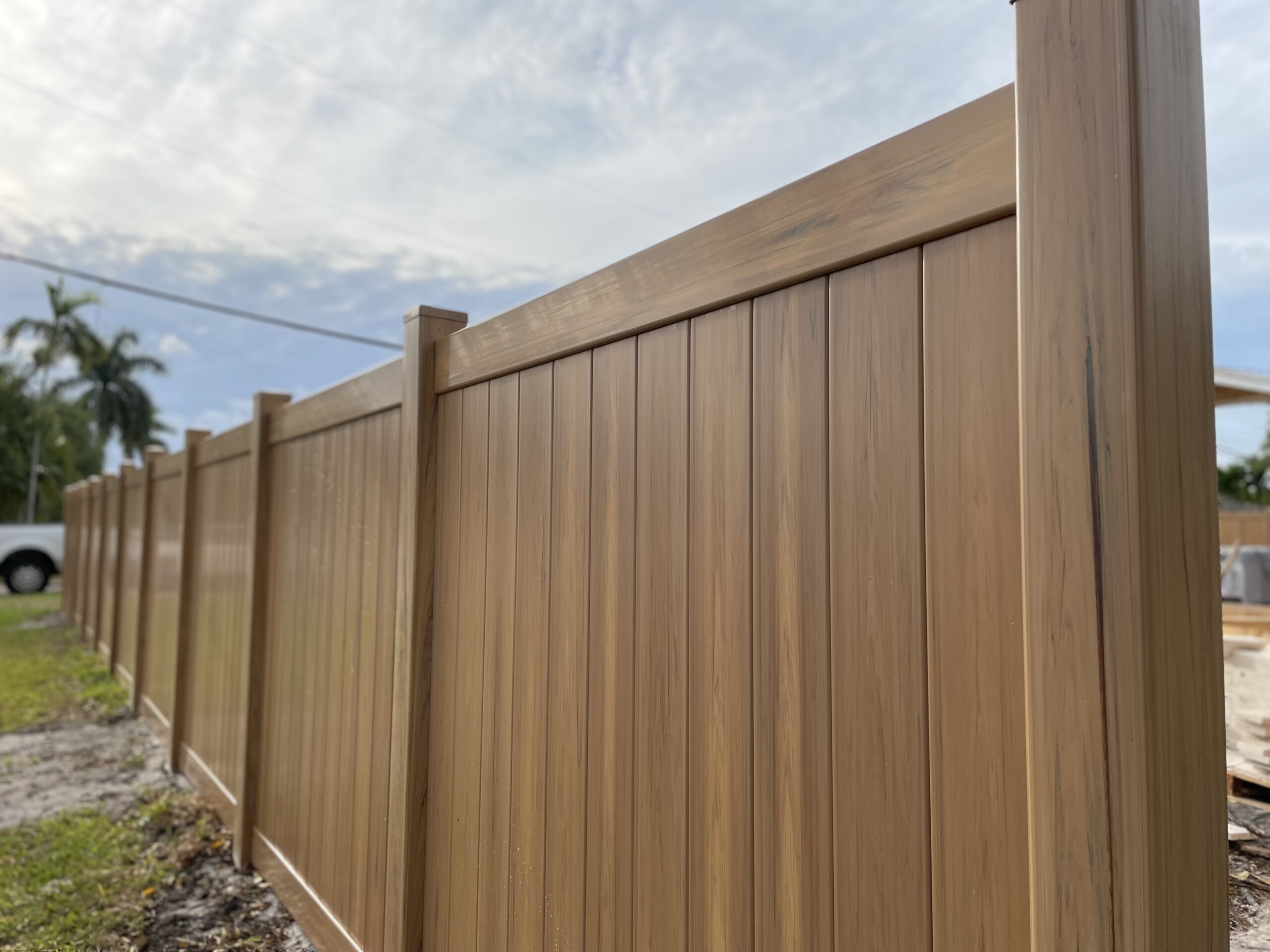
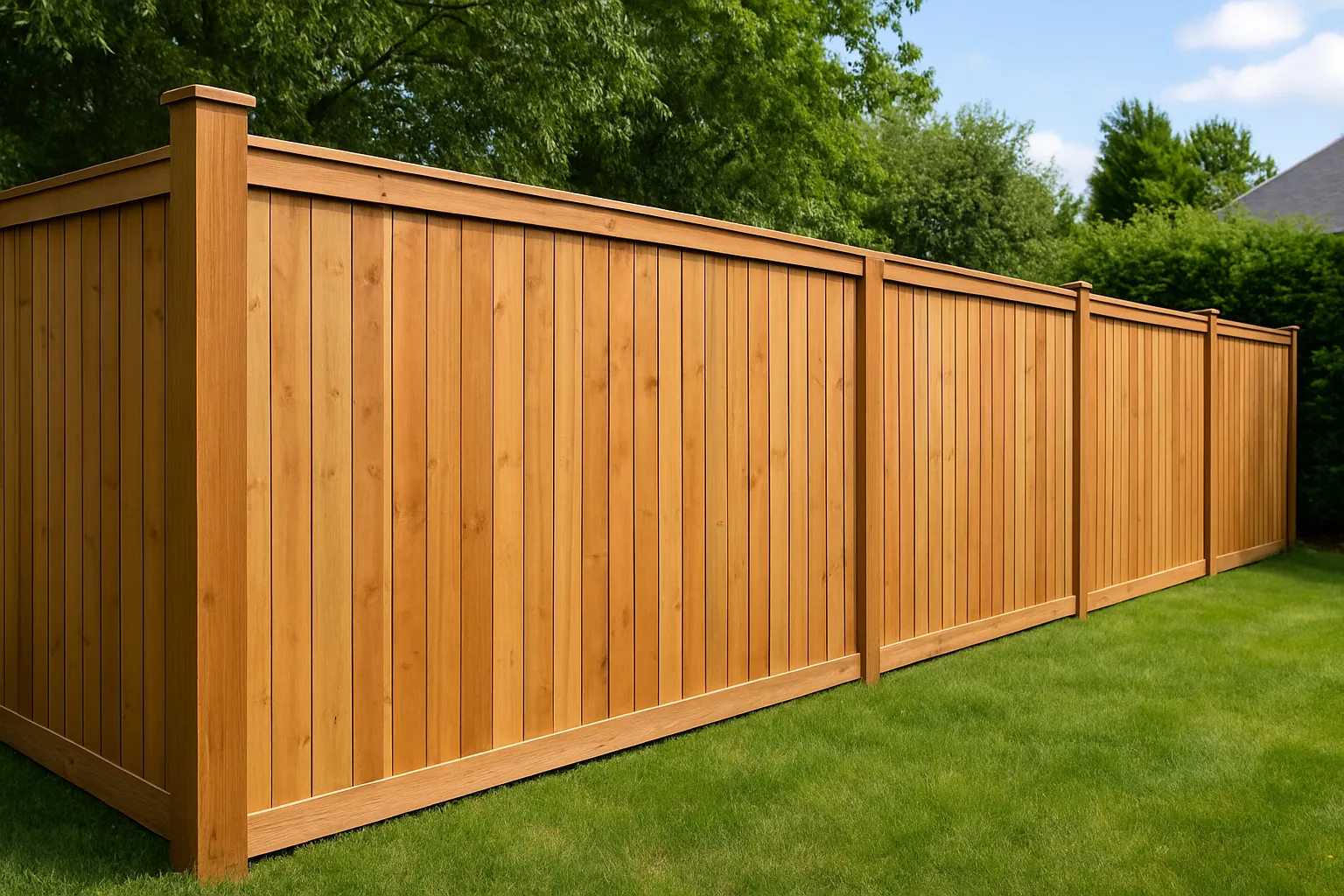
The design of your privacy wood fence can significantly impact the overall look and feel of your outdoor space. One popular design is the traditional vertical slat fence, which offers a classic and timeless appearance. This design features evenly spaced vertical boards that provide full coverage, ensuring maximum privacy. You can customize the height and width of the slats to suit your preference, and add decorative elements such as lattice tops or scalloped edges for added visual interest.
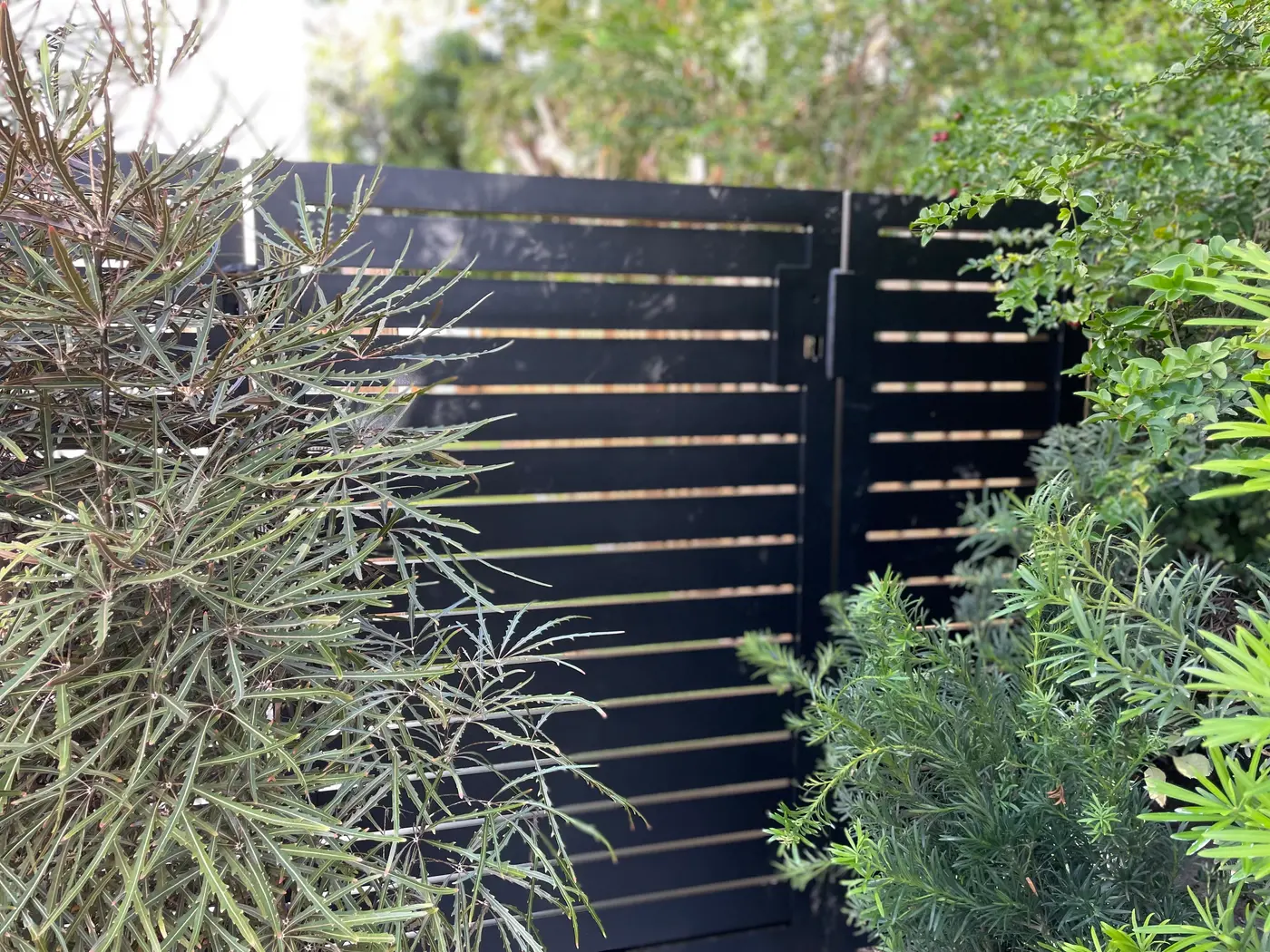
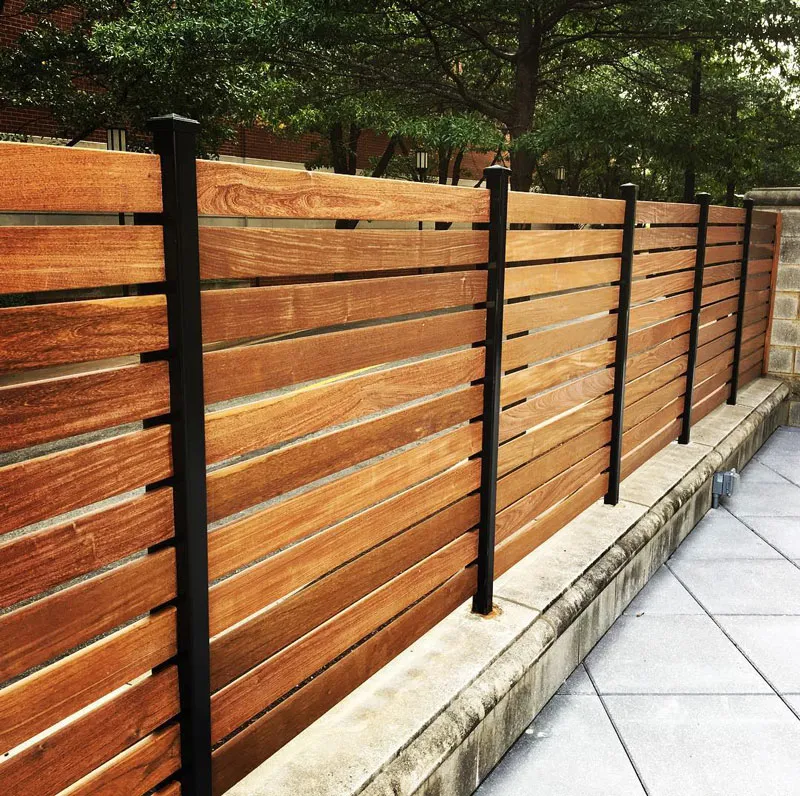
For a more modern aesthetic, consider a horizontal slat fence. This design involves installing wooden boards horizontally, creating clean lines and a contemporary look. Horizontal fences can make your yard appear larger and more open while still providing the privacy you desire. You can experiment with different wood stains or paint colors to achieve a sleek and stylish finish that complements your home's architecture.
If you're looking to add a touch of elegance to your fence, consider incorporating decorative features such as lattice panels or trellises. Lattice panels can be installed on top of the fence to add height and visual appeal without compromising privacy. They also provide a perfect framework for climbing plants and vines, creating a natural and lush backdrop. Trellises can be integrated into the fence design or used as standalone elements to enhance the overall aesthetic and provide additional privacy and shade.
Maintenance tips for longevity of your wood fence
Proper maintenance is crucial to ensure the longevity and beauty of your privacy wood fence. One of the most important maintenance tasks is regular cleaning. Dirt, debris, and mildew can accumulate on the surface of the wood, leading to discoloration and decay. Use a garden hose or pressure washer to clean the fence periodically, and scrub any stubborn stains with a mild detergent and a soft brush. Avoid using harsh chemicals or abrasive materials that can damage the wood.
In addition to cleaning, it's essential to inspect your fence regularly for any signs of damage or wear. Check for loose or broken boards, nails, or screws, and make any necessary repairs promptly to prevent further deterioration. Pay special attention to the base of the fence, where moisture and soil contact can cause rot and decay. If you notice any areas of concern, replace damaged boards and reinforce weak spots to maintain the structural integrity of the fence.
Applying a protective finish is another key maintenance tip to prolong the life of your wood fence. Staining or sealing the wood creates a barrier against moisture, UV rays, and pests, helping to prevent rot, warping, and fading. Choose a high-quality wood stain or sealant that is suitable for outdoor use, and apply it according to the manufacturer's instructions. Reapply the finish every few years or as needed to keep the wood protected and looking its best.
Cost factors involved in privacy wood fence installation
The cost of installing a privacy wood fence can vary widely depending on several factors. One of the primary cost considerations is the type of wood you choose. Premium woods like cedar and redwood are more expensive but offer superior durability and aesthetic appeal. On the other hand, more affordable options like treated pine can provide good performance at a lower cost. The quality and grade of the wood will also impact the overall expense, with higher-grade materials commanding a higher price.
Another significant cost factor is the size and height of your fence. Larger and taller fences require more materials and labor, increasing the overall cost. The complexity of the design can also affect the price. Simple, straightforward designs are generally less expensive to install, while intricate patterns, decorative elements, and customizations can add to the cost. Additionally, if your yard has challenging terrain or requires extensive preparation work, such as clearing vegetation or leveling the ground, this can also contribute to higher installation costs.
Labor costs are another important consideration. If you choose to hire a professional contractor to install your fence, labor fees will be a significant part of the overall expense. The cost of labor can vary depending on the contractor's experience, the complexity of the project, and your location. To save on labor costs, you may opt for a DIY installation, but keep in mind that this requires time, effort, and the right tools. It's essential to weigh the pros and cons of DIY versus professional installation to determine the best approach for your budget and skill level.
Common mistakes to avoid when installing a privacy fence
Installing a privacy wood fence can be a complex project, and there are several common mistakes that homeowners should avoid to ensure a successful outcome. One of the most frequent errors is failing to check local zoning laws and regulations. Each municipality has specific guidelines regarding fence height, placement, and design, and failing to comply with these regulations can result in fines or the need to alter your fence after installation. Always research and obtain any necessary permits before starting your project.
Another common mistake is improper planning and measurement. Accurate measurements are crucial for a successful fence installation. Take the time to measure and mark the fence layout carefully, accounting for any slopes or uneven terrain. Incorrect measurements can lead to misaligned posts and uneven slats, compromising the appearance and functionality of your fence. Double-check your measurements and use stakes and string to outline the fence boundary before digging post holes.
Inadequate post installation is another frequent mistake that can affect the stability and longevity of your fence. The posts are the foundation of your fence, and if they are not installed correctly, the entire structure can become unstable. Make sure the post holes are deep enough to support the height of the fence, and use concrete to secure the posts in place. Ensure the posts are level and aligned before the concrete sets to prevent leaning or shifting over time.