Debunking Common Myths About Modern Plastic Fencing
When it comes to fencing options, plastic fences—including vinyl, PVC, and composite—often face skepticism. Many homeowners still picture flimsy, discolored panels from decades past. However, modern materials and manufacturing have revolutionized what "plastic fencing" can offer. This article separates persistent myths from today's facts, helping you make an informed decision based on reality, not outdated perceptions.
Why There Are So Many Myths About Plastic Fences
Misconceptions often stem from the early days of plastic fencing, when materials were less durable and designs limited. Low-quality, off-brand products also gave the category a bad name. Today’s professional-grade vinyl, PVC, and composite fences bear little resemblance to those earlier versions. Understanding this evolution is key to evaluating modern options fairly.
Myth #1: Plastic Fences Look Cheap
Why This Myth Exists
Early plastic fences often had a shiny, artificial appearance and came in only a few basic colors (usually white or beige). Uniformity felt unnatural compared to wood.
The Reality
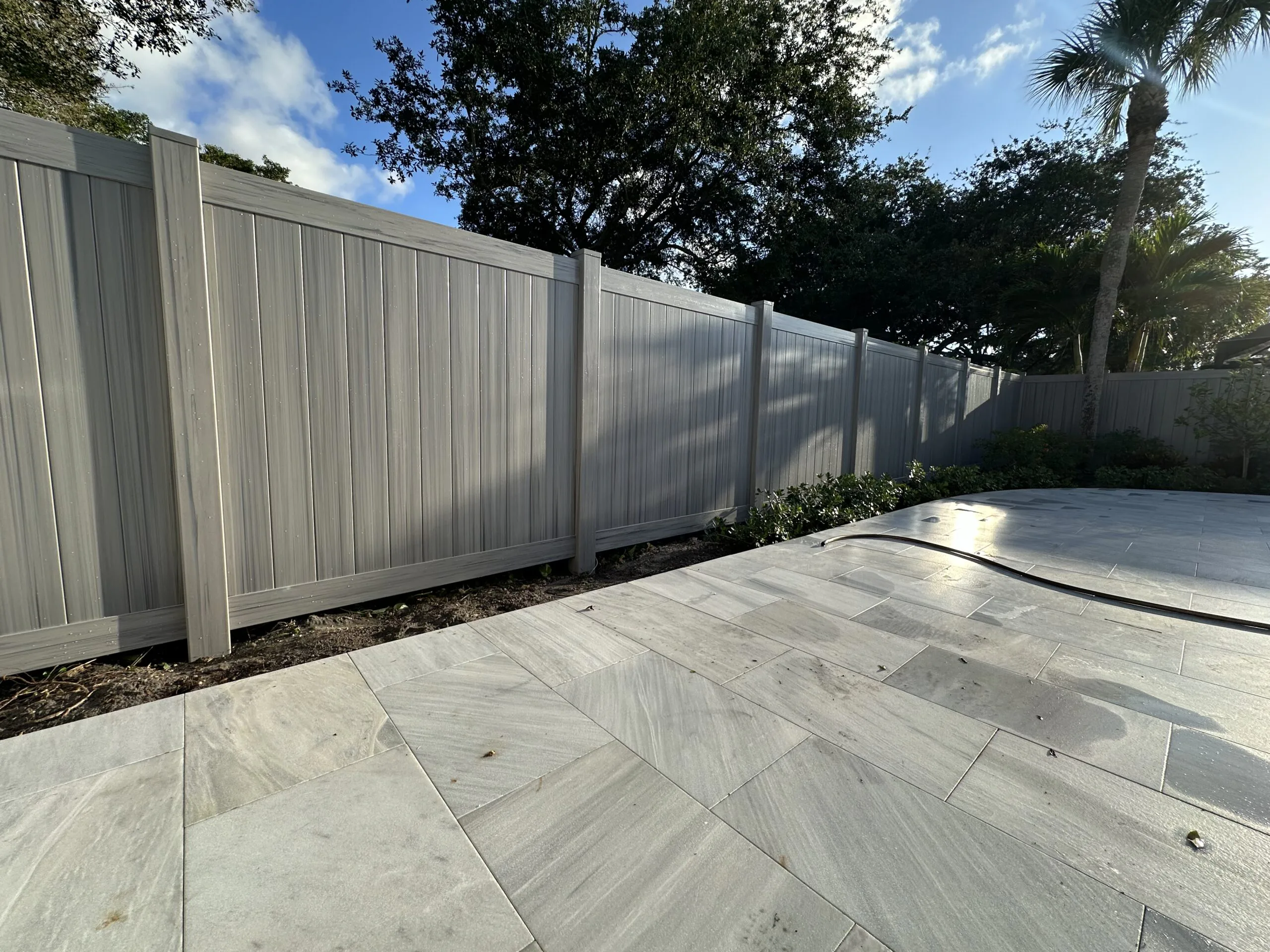
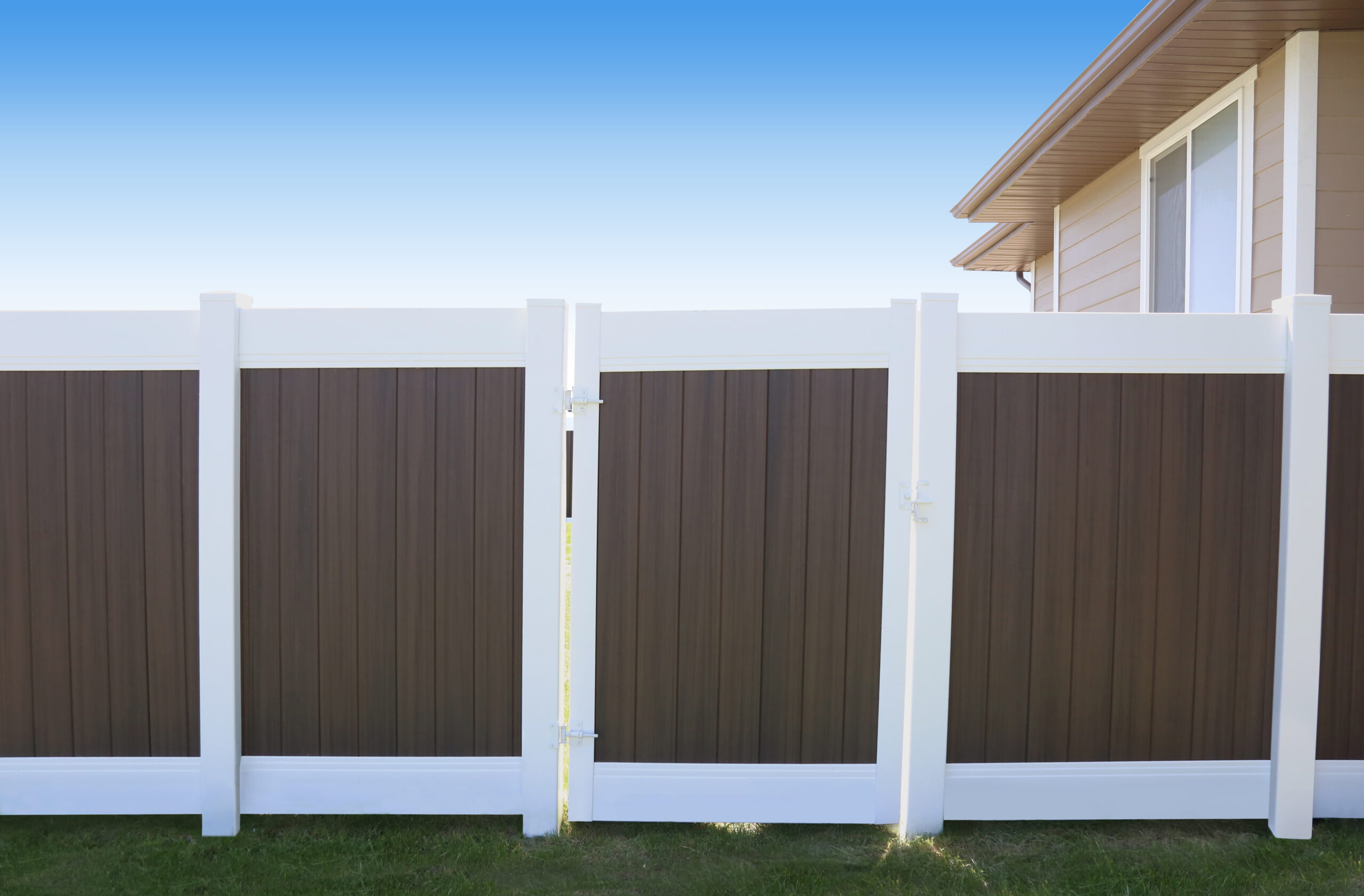
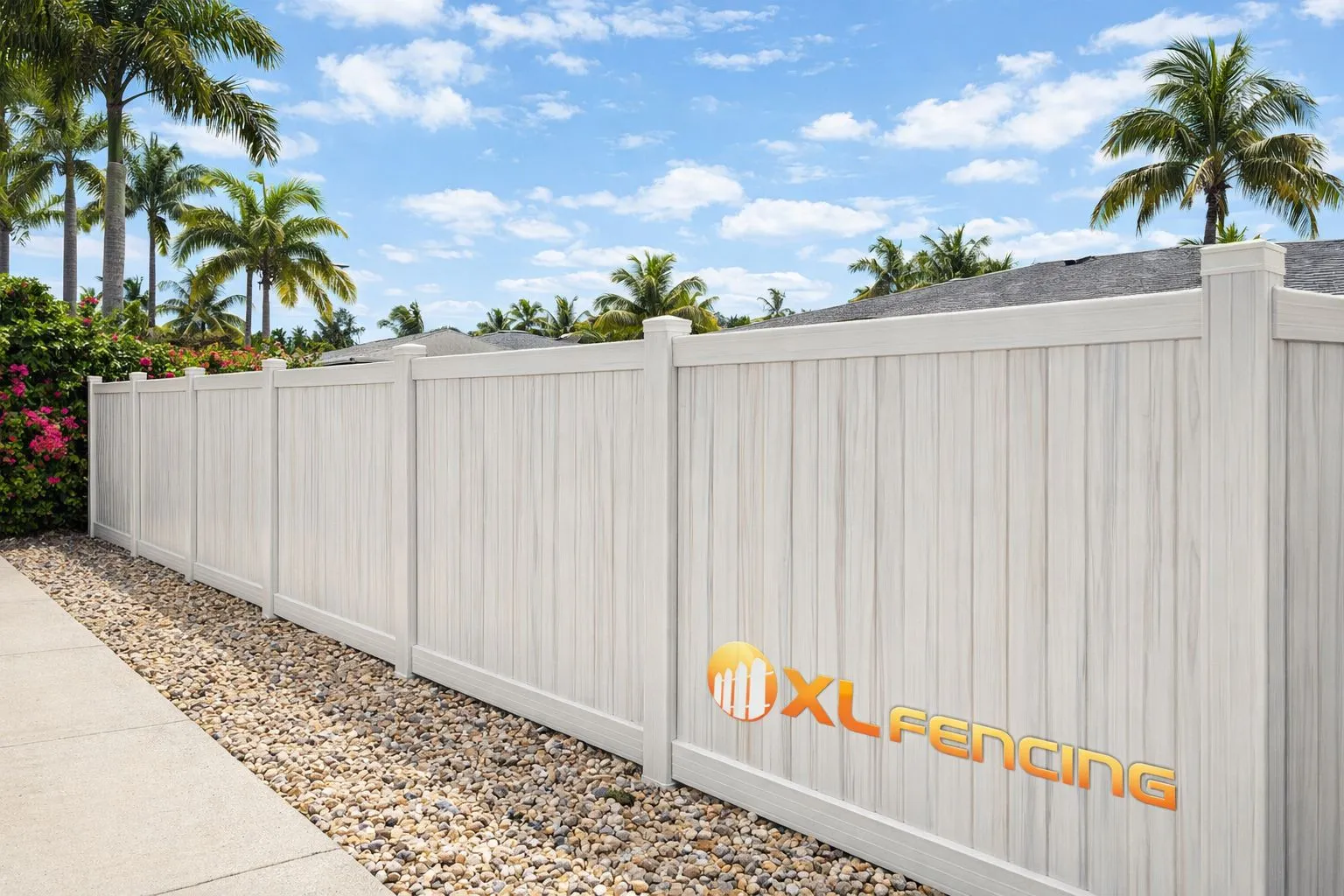
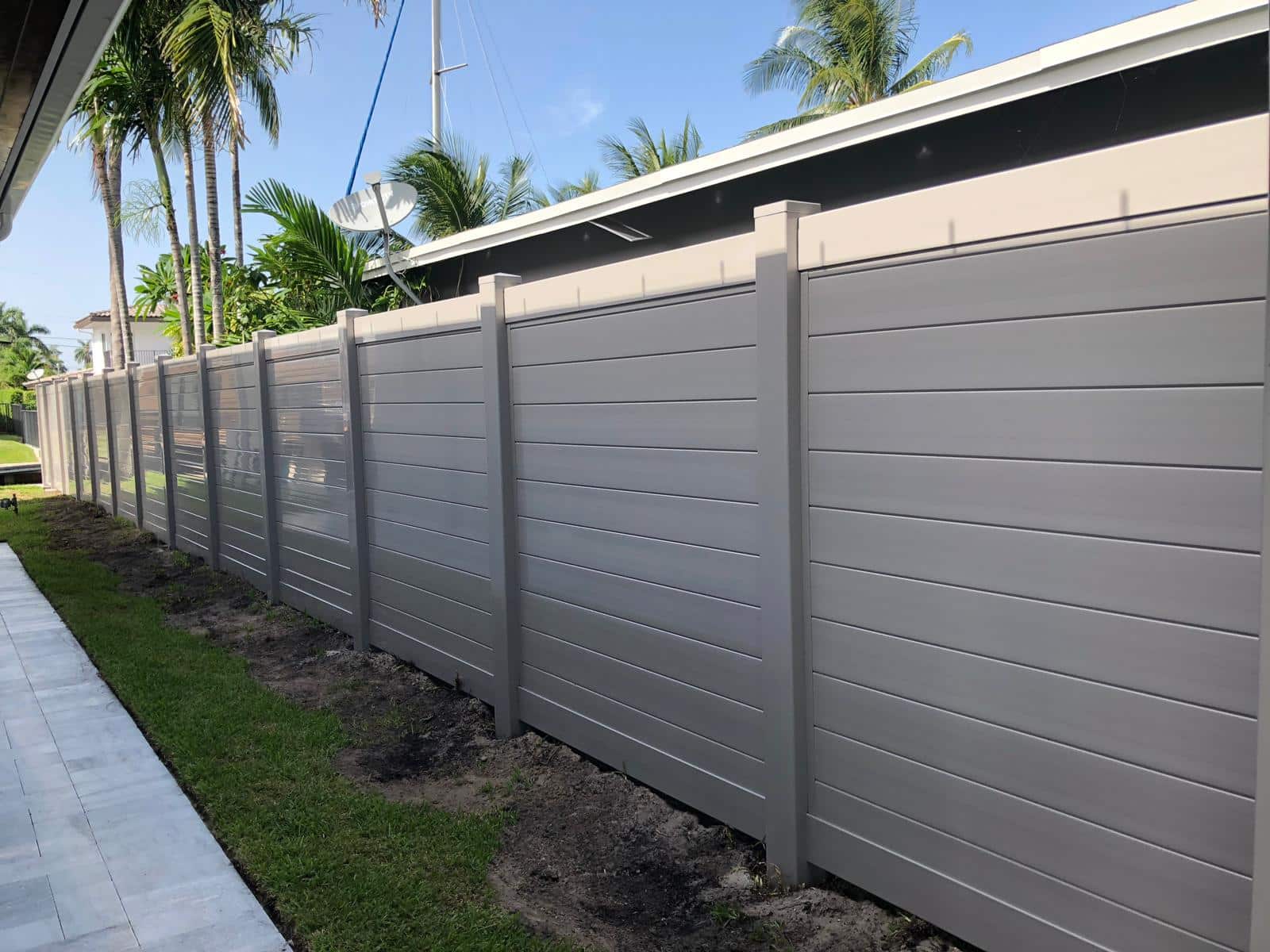
Modern plastic fences are designed with aesthetics in mind. Vinyl and composite now feature realistic wood-grain textures, matte finishes, and a wide color palette including grays, tans, and deep browns. Premium lines offer consistent good looks that don’t warp, crack, or become patchy over time.
Myth #2: Plastic Fences Fade Quickly
Why This Myth Exists
First-generation plastic fences lacked advanced UV stabilizers, leading to noticeable fading and brittleness after a few years in the sun.
The Reality
Today’s high-quality plastic fences are co-extruded with UV inhibitors integrated throughout the material, not just on the surface. This technology ensures exceptional color stability for decades. Unlike wood, which requires periodic staining to maintain color, a modern plastic fence retains its hue with minimal fading.
Myth #3: Plastic Fences Are Weak or Fragile
Why This Myth Exists
People often confuse fencing-grade materials with common household plastics, imagining something thin and easily cracked.
The Reality
Professional-grade plastic fencing is engineered for strength. Many vinyl fences have reinforced hollow-core posts and rails, while composites are dense and rigid. These materials are impact-resistant, flexible in cold weather (reducing cracking), and designed to withstand significant wind loads when installed properly.
Myth #4: Plastic Fences Are Bad for the Environment
Why This Myth Exists
The term "plastic" carries negative environmental connotations, associated with single-use waste and pollution.
The Reality
Modern plastic fencing is often made from recyclable materials, and many composite products incorporate recycled wood and plastic. Their long lifespan (25+ years) means less frequent replacement and reduced resource consumption over time. Furthermore, they require no chemical stains, paints, or preservatives that can leach into soil.
Plastic Fence Performance vs Traditional Materials
- vs Wood: Plastic won’t rot, splinter, or attract pests. It eliminates ongoing maintenance (sanding, staining) but may have a higher initial cost.
- vs Metal: Plastic will never rust or corrode, making it ideal for humid, coastal, or poolside applications.
- Total Cost of Ownership: When factoring in maintenance, repairs, and replacement, a plastic fence often proves more economical over 20+ years.
When Plastic Fences Are Actually the Best Choice
Consider a high-quality plastic fence if you:
- Desire a privacy fence with solid, consistent panels.
- Live in humid, rainy, or coastal climates where moisture resistance is critical.
- Are a low-maintenance homeowner who doesn’t want to paint or stain.
- Need a durable solution for residential or light commercial use that looks clean year-round.
What to Look for in a High-Quality Plastic Fence
- Material Type: Vinyl (PVC-based) is most common; composite blends wood fibers with plastic.
- UV Protection: Ensure it’s fully protected, not just a surface coat.
- Wall Thickness: Thicker walls generally indicate greater strength and impact resistance.
- Warranty: Reputable manufacturers offer substantial warranties (often lifetime limited) on materials.
- Professional Installation: Proper installation is crucial for performance and longevity.
Conclusion
The myths surrounding plastic fences are largely relics of an older generation of products. Today’s vinyl, PVC, and composite fences are durable, attractive, environmentally sensible, and engineered for long-term performance. By letting go of outdated perceptions, homeowners can embrace a fencing solution that offers outstanding privacy, minimal upkeep, and lasting value.
Ready to see modern plastic fencing for yourself?
Explore today’s premium vinyl and composite options—request a quote from a trusted, experienced installer to get accurate pricing and see material samples firsthand.