Fence Installation Made Easy: A Complete Guide
Are you ready to transform your outdoor space with a stunning fence that combines functionality and style? Whether you're aiming to enhance your property's curb appeal, provide security, or simply create a private oasis, mastering fence installation is essential. This ultimate guide will walk you through every step of the process—choosing the right materials that fit your aesthetic, installing like a pro, and maintaining your fence to ensure its longevity. From wooden pickets to sleek metal designs, the perfect barrier is within reach. Embrace the satisfaction of DIY or gain insights for hiring a professional. Let’s delve into the world of fencing and equip you with the knowledge to create a beautiful and durable boundary that reflects your unique style and meets your specific needs. Your journey to mastering fence installation begins here!
Understanding the Importance of Fencing
Fencing is more than just a physical boundary; it serves as a critical aspect of property aesthetics, security, and privacy. A well-chosen fence enhances your home's curb appeal, making it more attractive and boosting its overall value. This is particularly important if you plan to sell your property in the future, as a good fence can make a lasting first impression on potential buyers. Moreover, the right fence can complement your home's architectural style, tying together the overall appearance of your outdoor space.
Security is another paramount reason for installing a fence. A sturdy and well-installed fence acts as a deterrent to potential intruders, safeguarding your family and belongings. Whether you opt for a tall privacy fence or a robust metal design, the added barrier can provide peace of mind. Additionally, for those with pets or small children, a fence creates a safe enclosed area where they can play freely without the risk of wandering off or encountering hazards.
Privacy is a fundamental aspect of comfortable living, and a fence can significantly contribute to this. In densely populated areas or neighborhoods with close proximity to neighbors, a fence can create a private sanctuary where you can relax without feeling exposed. Enjoying your backyard, hosting gatherings, or simply unwinding becomes much more enjoyable when you have a sense of seclusion. Overall, fencing is a multifaceted investment that delivers both practical benefits and aesthetic enhancements.
Types of Fencing Materials: Pros and Cons
Choosing the right fencing material is crucial to achieving the desired look, durability, and functionality of your fence. Each material comes with its own set of advantages and disadvantages, making it essential to weigh your options carefully. Let's explore some popular fencing materials and their respective pros and cons.
Wood is a classic choice that offers a natural and timeless appeal. It can be easily customized with paint or stain to match your aesthetic preferences. However, wood requires regular maintenance, such as sealing and staining, to protect it from weather damage and pests. Despite its upkeep demands, wood remains a favorite for its versatility and traditional charm. On the downside, wood can be susceptible to rot and warping over time if not properly maintained.
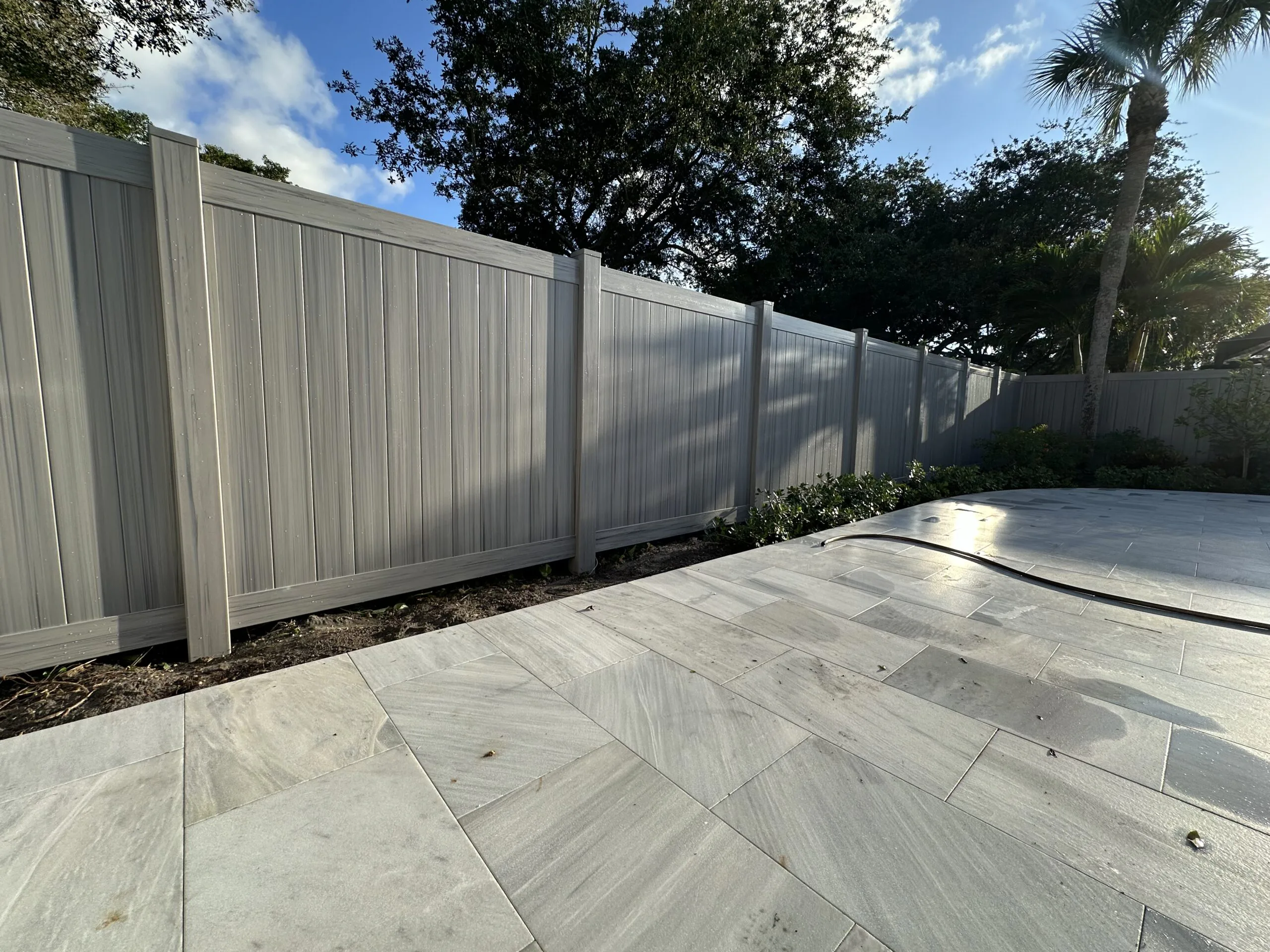
Vinyl fencing is a low-maintenance alternative that boasts impressive durability. It resists rot, insects, and weather-related damage, making it an excellent long-term investment. Vinyl fences come in a variety of styles and colors, allowing you to achieve the look you desire without the need for frequent upkeep. However, vinyl can be more expensive upfront compared to wood, and it may not have the same natural appearance that some homeowners prefer.
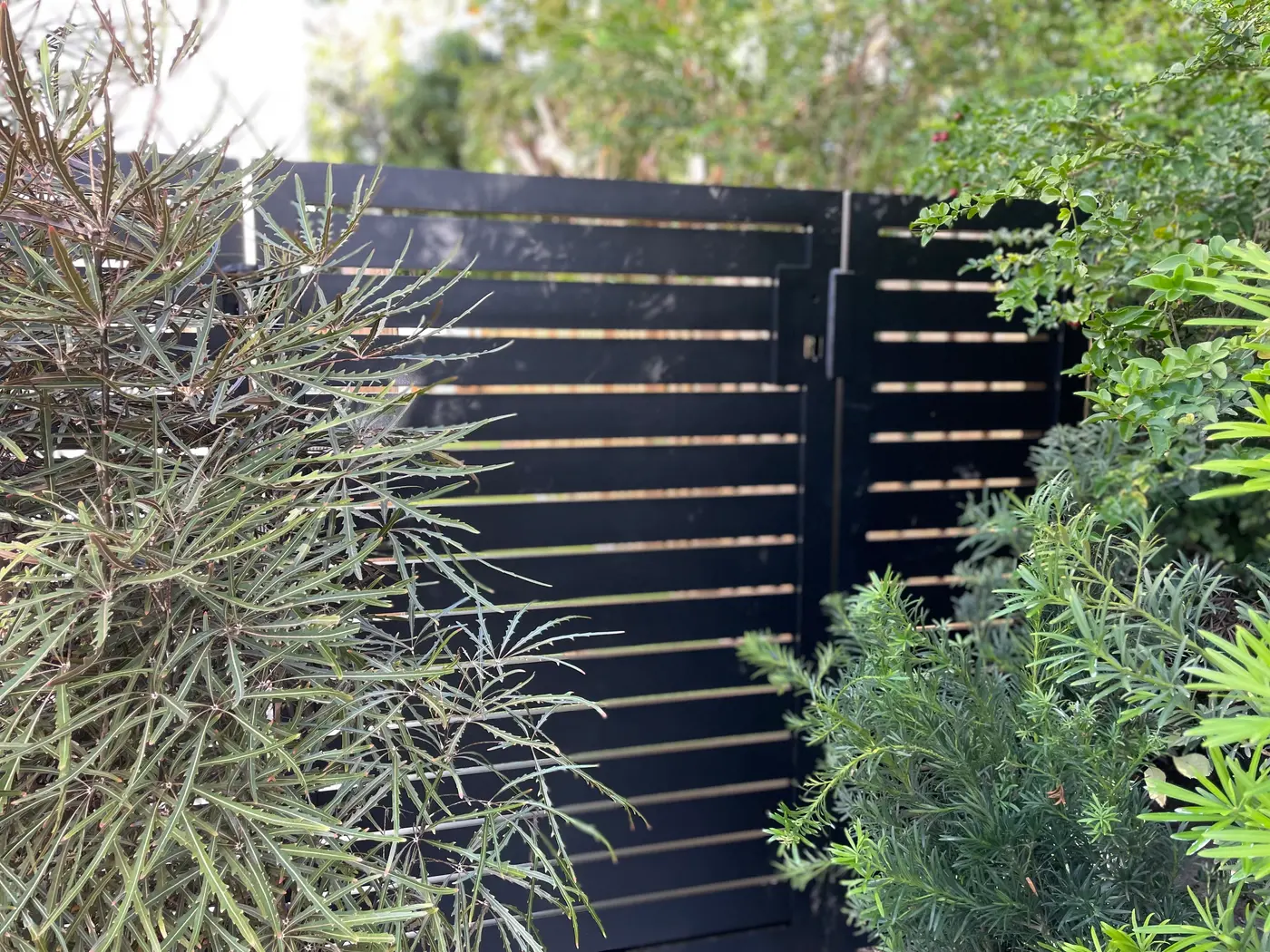
Metal fencing, such as wrought iron or aluminum, offers superior strength and security. These materials are highly durable and can withstand harsh weather conditions. Wrought iron, in particular, provides a sophisticated and elegant look, while aluminum is more resistant to rust and requires less maintenance. The primary drawback of metal fencing is its cost, as it tends to be more expensive than other materials. Additionally, metal fences may need occasional repainting to prevent rust and maintain their appearance.
Factors to Consider When Choosing a Fence
Selecting the perfect fence involves more than just picking a material. Several factors should influence your decision to ensure the fence meets your needs and complements your property. Begin by evaluating the primary purpose of your fence. Are you seeking privacy, security, aesthetic enhancement, or a combination of these elements? Identifying your main goals will help narrow down your options and guide you toward the most suitable choice.
Next, consider the climate and environmental conditions in your area. Certain materials fare better in specific climates. For instance, wood may not be ideal in regions with high humidity or frequent rainfall, as it can be prone to rot and decay. On the other hand, metal fences are well-suited for areas with extreme weather conditions due to their durability. Understanding the environmental challenges your fence will face can help you choose a material that will last and perform well over time.
Another critical factor is your budget. Fencing can vary significantly in cost, depending on the material, size, and complexity of the installation. While it's important to stay within your budget, it's equally important to consider the long-term value and maintenance requirements of your chosen fence. Investing in a high-quality, durable fence may cost more upfront but can save you money on repairs and replacements in the long run. Additionally, consider any local regulations or homeowners' association guidelines that may dictate the type of fence you can install.
Planning Your Fence Installation: Key Steps
Proper planning is essential for a successful fence installation. Start by thoroughly researching and understanding any local zoning laws and regulations that may affect your project. This includes checking property boundaries, obtaining necessary permits, and adhering to height restrictions or material guidelines. Failing to comply with local regulations can result in fines or the need to alter or remove your fence, so it's crucial to start on the right foot.
Once you've navigated the legalities, measure your property and determine the exact location and layout of your fence. Marking the boundaries and identifying any slopes or obstacles will help you plan for a smooth installation process. Consider the function of your fence and how it will interact with your property's features, such as driveways, walkways, and landscaping. Creating a detailed plan and drawing can help visualize the final outcome and identify potential challenges before construction begins.
Budgeting is another vital step in the planning process. Calculate the total cost of materials, tools, and labor, whether you plan to hire professionals or undertake the project yourself. Factor in additional expenses, such as permits, hardware, and any necessary equipment rentals. With a clear budget in place, you can make informed decisions and avoid unforeseen costs. Proper planning not only ensures a smooth installation but also helps you achieve a fence that meets your expectations and stands the test of time.
Tools and Equipment Needed for Fence Installation
Equipping yourself with the right tools and equipment is crucial for a successful fence installation. Whether you're a seasoned DIY enthusiast or a novice, having the proper tools on hand will make the process more efficient and manageable. Begin by gathering essential manual tools, such as a tape measure, level, and carpenter's square, to ensure precise measurements and alignments. A post hole digger or auger is necessary for creating uniform holes for your fence posts.
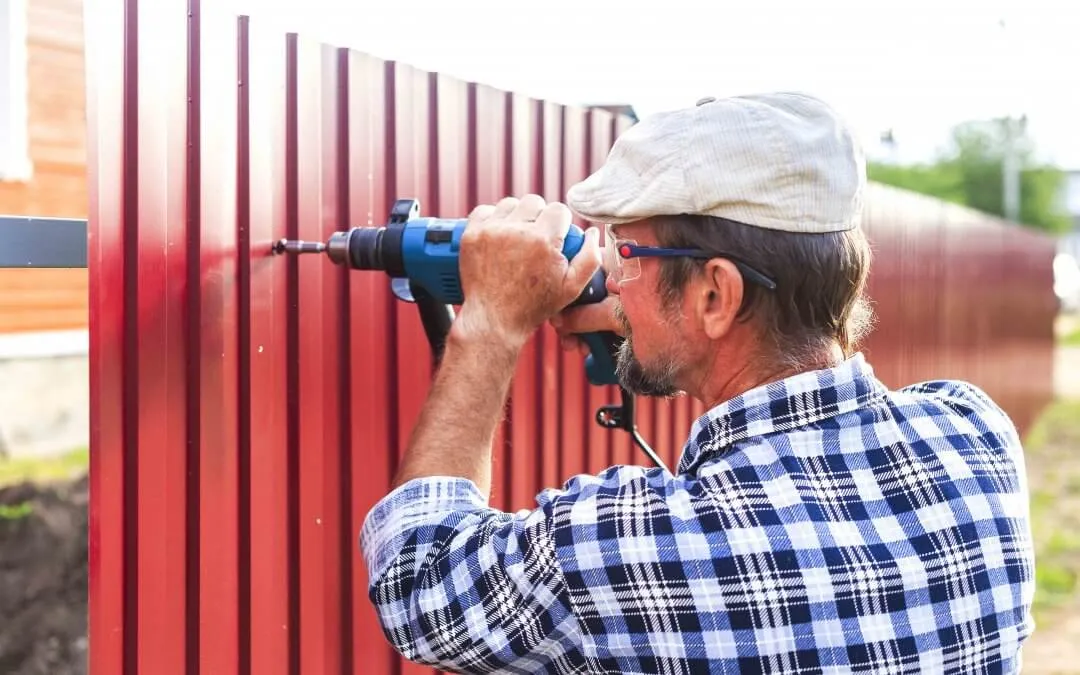
Power tools can significantly speed up the installation process and reduce physical strain. A power drill with various bits, including a masonry bit if you're working with concrete, is indispensable for securing screws and fasteners. A circular saw or miter saw is useful for cutting fence panels and posts to the desired length. Additionally, a nail gun or impact driver can save time and effort when attaching fence components. Investing in quality power tools can enhance the efficiency and accuracy of your installation.
Safety equipment is equally important to protect yourself during the installation process. Wear safety goggles, gloves, and ear protection to shield against debris, sharp edges, and loud noises. A sturdy pair of work boots with good traction can prevent slips and provide support when working on uneven terrain. It's also advisable to have a first aid kit on hand in case of minor injuries. With the right tools and safety gear, you'll be well-prepared to tackle your fence installation project with confidence.
Step-by-Step Guide to Installing Your Fence
Embarking on a fence installation project can be a rewarding experience, especially when you follow a systematic approach. Begin by marking the layout of your fence using stakes and string to outline the perimeter. This will serve as a guide for placing your posts and ensure a straight, even fence. Verify the measurements and make any necessary adjustments before proceeding.
Next, dig the post holes using a post hole digger or auger. The depth and width of the holes will depend on the type of fence and local regulations, but a general rule of thumb is to dig holes one-third the height of the fence. Add gravel to the bottom of each hole for drainage, then set the posts in place. Use a level to ensure each post is plumb and align them with the string line. Once the posts are positioned correctly, fill the holes with concrete and allow it to cure according to the manufacturer's instructions.
After the posts are securely set, attach the horizontal rails or panels to the posts. This step may vary depending on the type of fence you're installing. For wooden fences, use galvanized nails or screws to secure the rails to the posts. For vinyl or metal fences, follow the manufacturer's guidelines for assembly. Ensure each panel or rail is level before securing it in place. Once the fence panels are installed, add any additional features, such as gates or decorative elements. Double-check all connections and make any necessary adjustments to ensure a sturdy, well-aligned fence.
Common Mistakes to Avoid During Installation
Even with careful planning and preparation, it's easy to make mistakes during the fence installation process. One common error is neglecting to check local zoning laws and property boundaries, which can lead to legal issues and costly adjustments. Always verify your property lines and obtain any necessary permits before starting construction. Additionally, failing to account for slopes and uneven terrain can result in an uneven, unstable fence. Take the time to measure and plan for changes in elevation to ensure a smooth, consistent fence line.
Another frequent mistake is improper post installation. Posts that are not set deep enough or secured with the right materials can lead to a wobbly, unstable fence. Make sure to dig holes to the recommended depth and use concrete to anchor the posts firmly in place. Additionally, using subpar materials or incorrect fasteners can compromise the integrity of your fence. Invest in high-quality materials and follow the manufacturer's guidelines for fasteners and connectors to ensure a durable, long-lasting fence.
Rushing the installation process can also lead to errors. Take your time to measure, align, and secure each component accurately. Skipping steps or cutting corners may save time initially, but it can result in a poorly constructed fence that requires frequent repairs. Attention to detail and patience are key to achieving a professional-looking fence that will stand the test of time. By avoiding these common mistakes, you can ensure a successful and satisfying fence installation project.
Maintenance Tips for Longevity and Durability
Maintaining your fence is essential to preserve its appearance and functionality over time. Regular inspections are the first step in identifying and addressing any issues before they become significant problems. Check for signs of damage, such as loose or broken boards, rust, or rot, and make repairs promptly. For wooden fences, applying a fresh coat of sealant or stain every few years can protect the wood from moisture and UV damage.
Cleaning your fence periodically can also extend its lifespan. For wood fences, use a mild detergent and water to remove dirt, mildew, and algae. A power washer can be effective for more stubborn stains, but use it with caution to avoid damaging the wood. Vinyl and metal fences can be cleaned with a mixture of water and vinegar or a specialized cleaner. Regular cleaning not only keeps your fence looking its best but also prevents the buildup of debris that can cause damage over time.
Proper landscaping around your fence can contribute to its longevity. Trim any overhanging branches or plants that may scratch or damage the fence. Ensure that the ground around the fence is well-drained to prevent water from pooling and causing rot or rust. Additionally, avoid placing heavy objects or leaning items against the fence, as this can cause it to warp or sag. By following these maintenance tips, you can enjoy a beautiful, durable fence for many years to come.
Enhancing Your Fence with Landscaping Ideas
Incorporating landscaping elements around your fence can elevate its appearance and create a harmonious outdoor space. Planting shrubs or bushes along the fence line can add greenery and soften the fence's edges, making it blend seamlessly with the surrounding environment. Choose plants that complement the style and color of your fence, and consider their growth habits to ensure they won't overtake the fence or cause damage.
Flower beds and garden borders can enhance the visual appeal of your fence while adding bursts of color and texture. Create a border of perennials or annuals along the base of the fence to draw attention and create a cohesive look. Climbing plants, such as ivy or clematis, can add vertical interest and create a lush, green backdrop. However, be mindful of the type of fence material and the potential impact of climbing plants on its maintenance and durability.
Integrating lighting into your fence design can enhance both its functionality and aesthetics. Solar-powered lights, string lights, or lanterns can illuminate the fence and create a warm, inviting atmosphere. Lighting not only highlights the beauty of your fence but also improves security by deterring intruders and providing visibility at night. By incorporating thoughtful landscaping elements, you can transform your fence into a stunning focal point that enhances your overall outdoor space.
Conclusion: Enjoying Your Perfect Barrier
Mastering fence installation is a rewarding endeavor that combines practical benefits with aesthetic appeal. By carefully choosing the right materials, planning your installation, and following a systematic approach, you can achieve a beautiful and durable fence that meets your needs. Avoiding common mistakes and maintaining your fence regularly will ensure its longevity and performance. Enhancing your fence with landscaping ideas can further elevate its appearance and create a cohesive, inviting outdoor space.
Whether you opt for a classic wooden fence, a low-maintenance vinyl option, or a robust metal design, the satisfaction of completing a successful fence installation is unparalleled. The right fence not only provides security and privacy but also enhances your property's curb appeal and value. Embrace the journey of mastering fence installation, and enjoy the lasting benefits of a well-crafted, stylish, and functional barrier.
With the knowledge and insights gained from this ultimate guide, you are well-equipped to embark on your fence installation project with confidence. Whether you're a DIY enthusiast or prefer to hire a professional, the key to success lies in careful planning, attention to detail, and ongoing maintenance. Your perfect barrier awaits, ready to transform your outdoor space into a secure, private, and beautiful haven.