How to Install PVC Vinyl Fencing: Transform Your Outdoor Space with Ease
Transforming your outdoor space with a PVC vinyl fence doesn’t have to be a stressful or time-consuming project. Known for its durability, low maintenance, and clean aesthetics, PVC vinyl fencing offers a practical and stylish way to define boundaries, increase privacy, and enhance curb appeal. This guide provides a complete overview of the installation process, key benefits, and useful maintenance tips to help you achieve long-lasting results—whether you're tackling the job yourself or simply exploring your options.
Benefits of Choosing PVC Vinyl Fencing
PVC vinyl fencing is prized for its exceptional durability. Unlike wood, it doesn’t rot, warp, or attract pests. Once installed, it requires minimal upkeep and maintains its structure and appearance for decades.
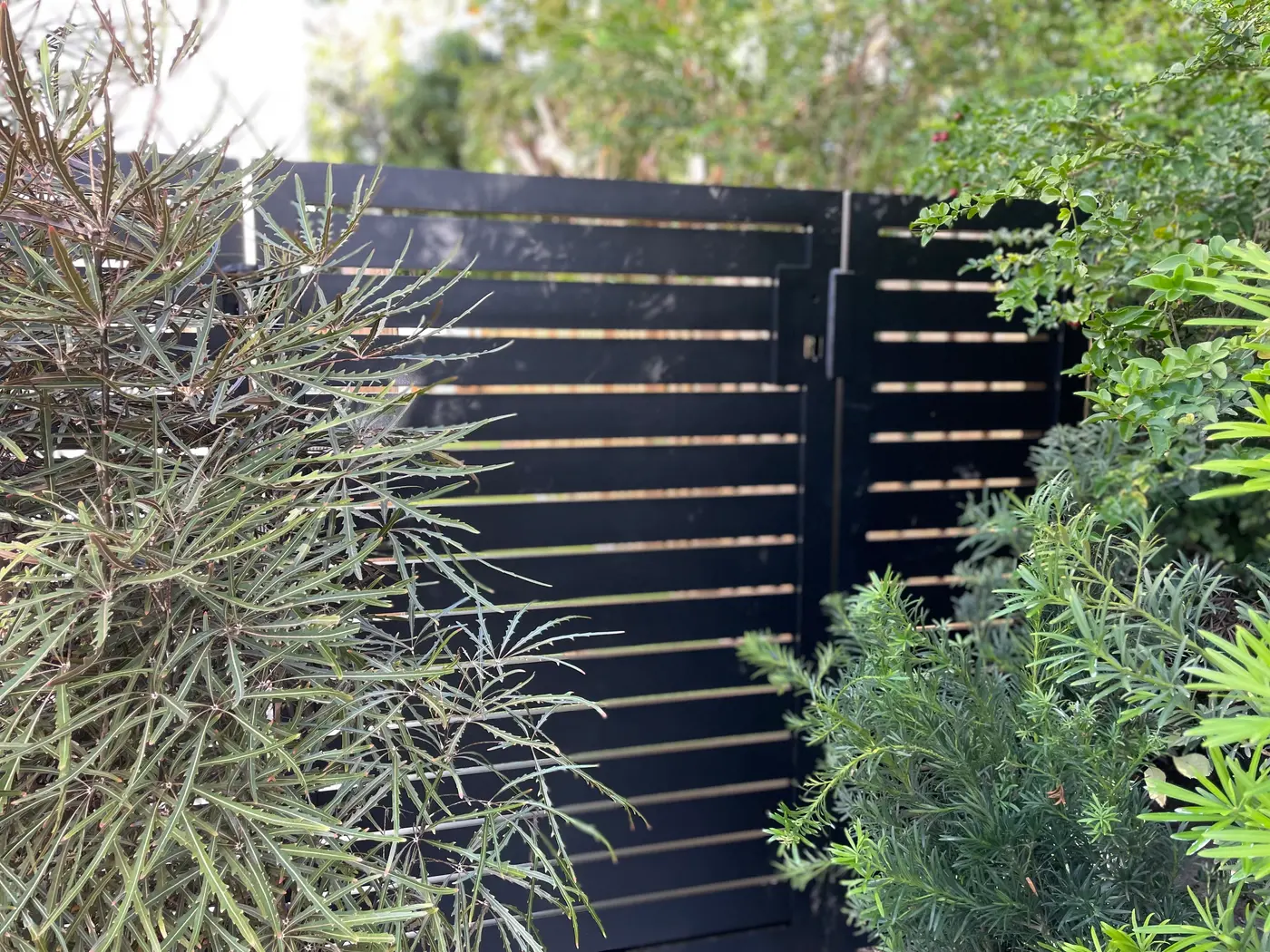
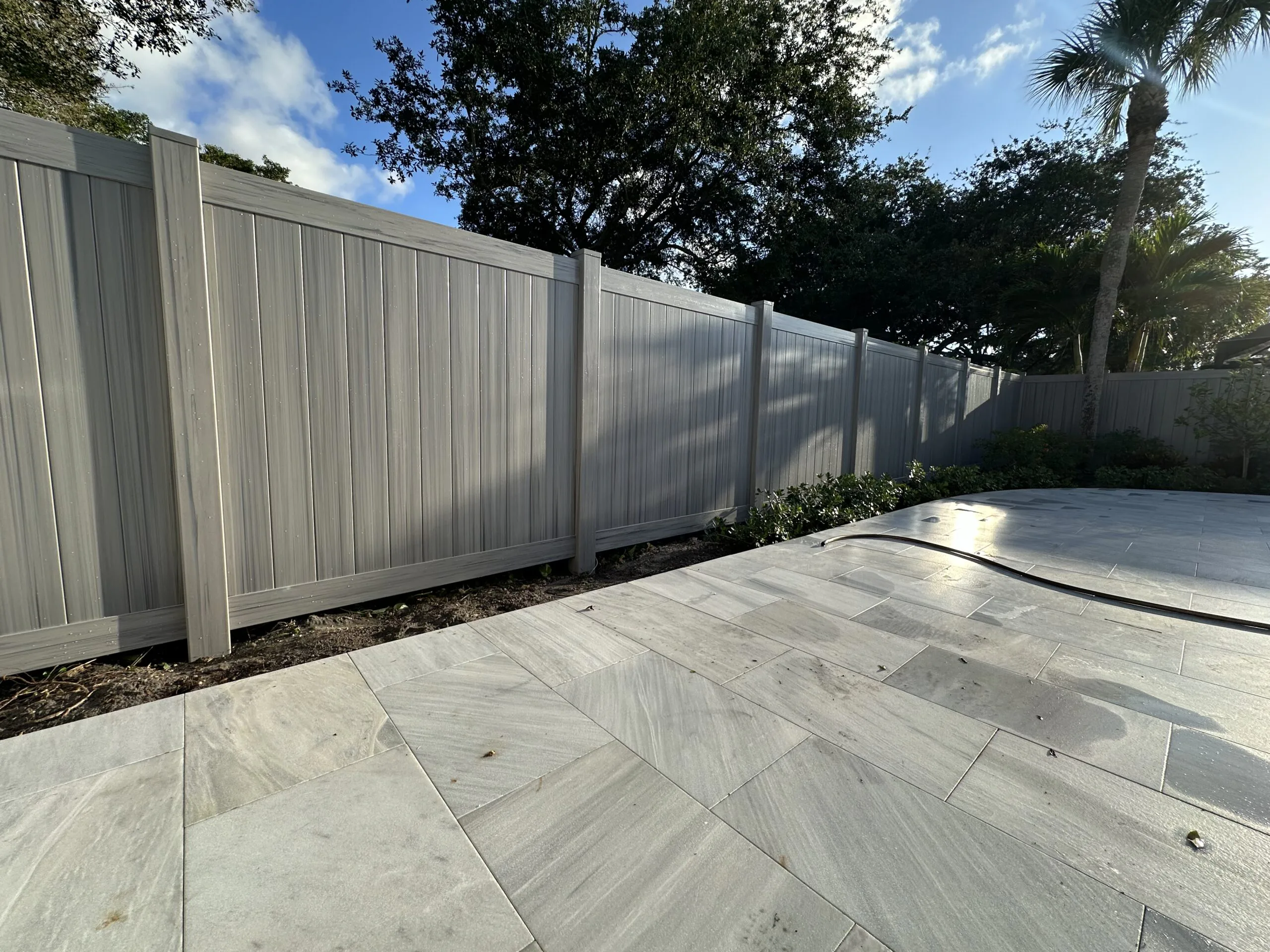
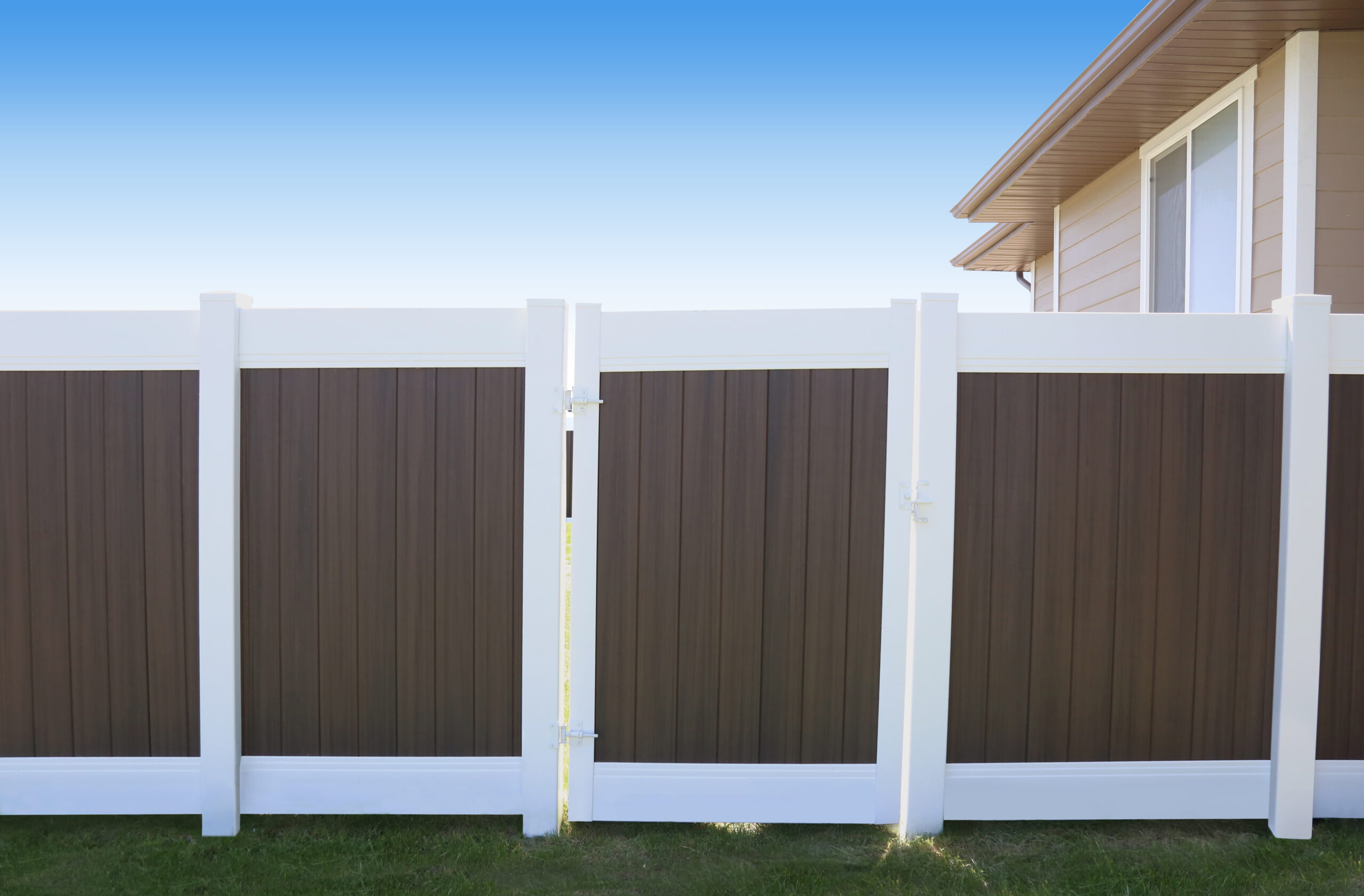
Another key advantage is visual appeal. PVC vinyl is available in a wide variety of colors and styles, from classic white picket fences to sleek, modern panels. Because the color runs through the material, minor scratches or dings are less noticeable than with painted surfaces.
PVC vinyl fences are also relatively straightforward to install thanks to interlocking panel systems, making them a popular choice for both professionals and experienced DIYers.
Tools and Materials Needed for Installation
Before starting, gather the necessary tools and materials. These typically include:
- Post hole digger or auger
- Tape measure
- Level
- Rubber mallet
- Cordless drill
- Concrete (for setting posts)
- Fence posts and panels
- Gate hardware (if applicable)
Also prepare safety gear: gloves, safety glasses, sturdy footwear, and hearing protection if using power tools. Always check the manufacturer’s instructions for material-specific requirements.
Preparing Your Outdoor Space for Fencin
Clear the fence line of rocks, plants, and debris. Mark the fence layout using stakes and string, ensuring a straight and accurate line.
Always check for underground utilities before digging. Local services can help identify hidden cables or pipes. Additionally, verify local zoning laws or HOA rules regarding fence height, placement, and permits to avoid future complications.
Step-by-Step Guide to Installing PVC Vinyl Fencin
- Dig Post Holes
Use a post hole digger or auger. Holes should be one-third the height of your posts and at least three times the post's diameter. Ensure the hole base is flat. - Set Fence Posts
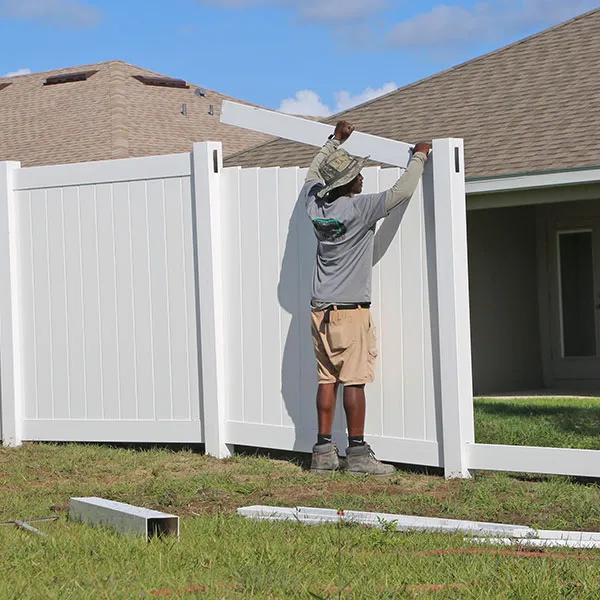
Insert the post and check for level and plumb. Fill the hole with concrete and allow it to cure for at least 24 hours. - Attach Fence Panels
Depending on your system, panels may slide into post slots or attach with brackets. Follow the product’s specific instructions. - Install Gates and Hardware
Ensure gates are level and swing freely. Adjust as needed before securing hardware.
Taking your time with each step ensures a stable and long-lasting installation.
Common Mistakes to Avoid During Installation
- Shallow Post Holes: Can cause instability. Dig deep enough for strong support.
- Skipping the Level Check: Always confirm level and plumb alignment for both posts and panels.
- Overlooking Permits: Skipping required approvals can result in fines or removal.
- Incorrect Measurements: Measure twice before digging to maintain even spacing.
Avoiding these errors helps ensure a smooth process and lasting results.
Maintenance Tips for Your PVC Vinyl Fence
PVC vinyl fences require very little maintenance, but occasional cleaning keeps them looking fresh. Use:
- A hose to rinse dust and pollen
- Mild soap and a sponge or soft brush for tougher stains
- Rinse thoroughly to prevent residue buildup
Inspect your fence periodically for cracks or damaged panels, especially after extreme weather. Tighten or adjust gate hardware as needed. Basic care can extend the life of your fence by many years.
Enhancing Your Outdoor Space with Accessories
PVC fences can be customized with simple additions:
- Decorative post caps: Add style; solar versions can provide ambient lighting.
- Climbing plants: Ivy or vines can create a natural backdrop.
- Functional hardware: Hooks for tools or outdoor gear add utility.
- Lattice panels: For extra height and privacy without sacrificing design.
These enhancements can help integrate your fence into your overall landscaping.
Cost Considerations for PVC Vinyl Fencing
Cost varies based on factors like fence height, panel style, and site conditions. While PVC vinyl is typically more expensive up front than wood or chain-link, its long lifespan and low maintenance requirements can make it a cost-effective option over time.
Be sure to factor in the cost of permits, potential site preparation, tools (if doing it yourself), and any accessories or enhancements you plan to add.
Frequently Asked Question
1. How long does a PVC vinyl fence last?
Typically 20–30 years or more with proper care.
2. Is it low maintenance?
Yes. Occasional cleaning is usually all that’s required.
3. Can I install it myself?
Yes, especially if you’re experienced with tools. It’s important to follow instructions carefully.
4. Is it weather-resistant?
Yes. It resists moisture, UV rays, and temperature changes.
5. What design options are available?
Styles range from classic white picket to sleek privacy panels, with many colors and textures available.