Understanding 2026 fence installation pricing: Materials, labor, and hidden costs
Understanding the investment for a new fence is a crucial first step in your project. As we move into 2026, the overall fence installation cost is influenced by material trends, labor markets, and economic factors. Consequently, creating a realistic budget requires a clear view of what drives the final price. This guide explores the key variables you will encounter, from material selection to site specifics, helping you navigate the estimating process effectively.
What determines your final fence installation cost
The final price of your fence is not a single figure but a combination of several important factors. Understanding each one will help you make smart choices and plan your budget more accurately.
- Material Choice: This is the single largest cost variable. For example, the price for durable vinyl is different from that of classic wood or ornamental metal.
- Linear Footage and Height: The total length needed is the primary driver of cost. Additionally, taller fences require more materials and labor, which increases the price.
- Property Terrain and Soil Conditions: Installing a fence on flat, clear land is standard. However, sloped, rocky, or uneven terrain requires more intensive labor and site preparation, thereby raising the fence installation cost.
- Local Permits and Regulations: Many cities and towns require a permit for fence installation, which adds a fee. Furthermore, homeowners' association (HOA) rules may dictate specific, sometimes more expensive, materials or styles.
- Labor Costs and Geography: Professional installer rates vary significantly by region, local demand, and the complexity of the job. Typically, labor can represent a substantial portion of the total project budget.
Comparing costs by fence material type
The material you choose has the most significant impact on your budget. Here is a general comparison of how popular materials rank in terms of fence installation cost, from typically more economical to premium investments.
- Chain Link: Often the most budget-conscious option. The final cost depends on the gauge, or thickness, of the metal and the type of protective coating.
- Wood: A traditional choice with a variable price. Pressure-treated pine is generally a standard option, while cedar or redwood are usually more expensive.
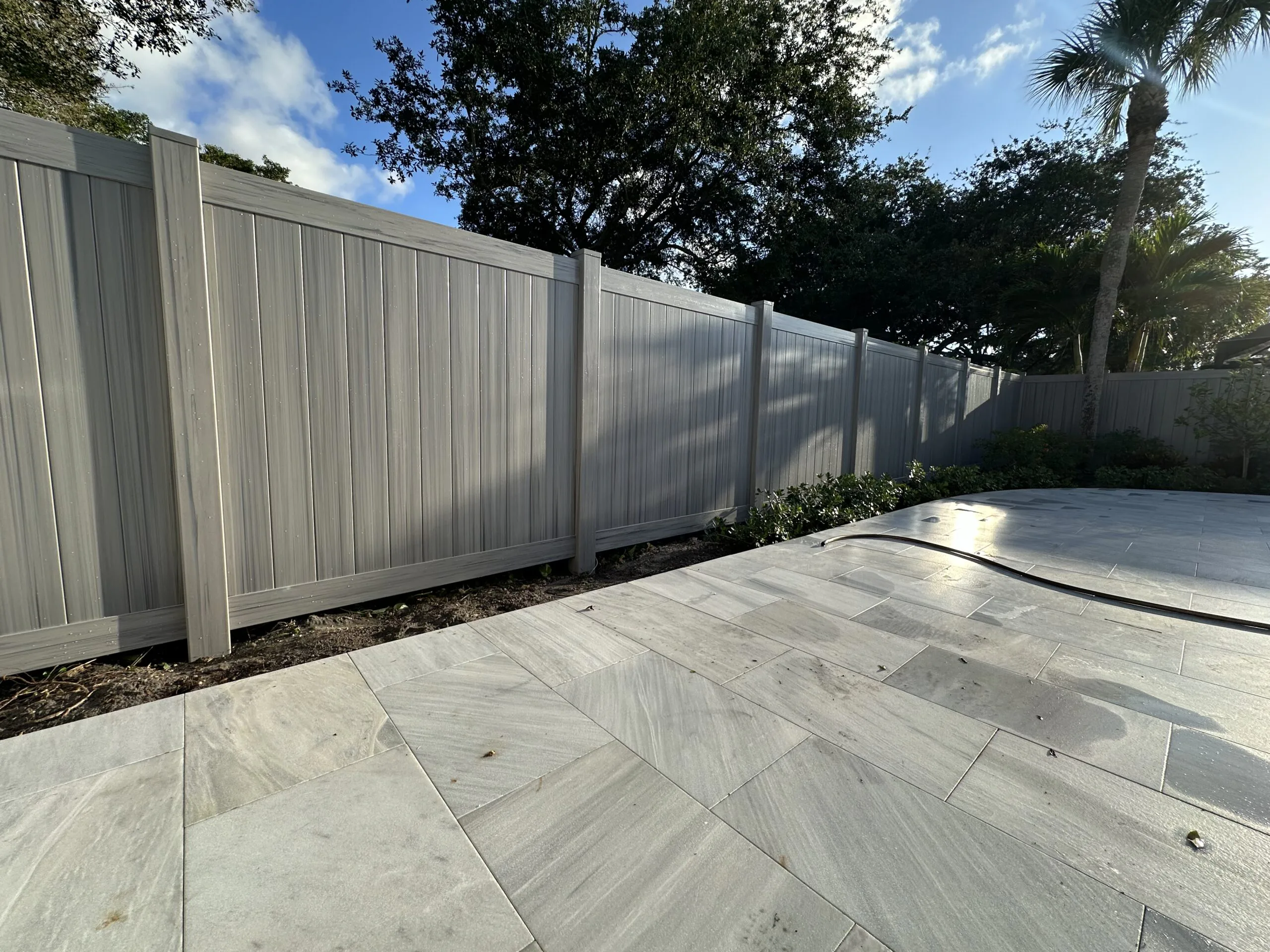
- Vinyl/PVC: A mid-range option celebrated for its longevity and minimal upkeep. Higher-quality, thicker panels command a higher price.
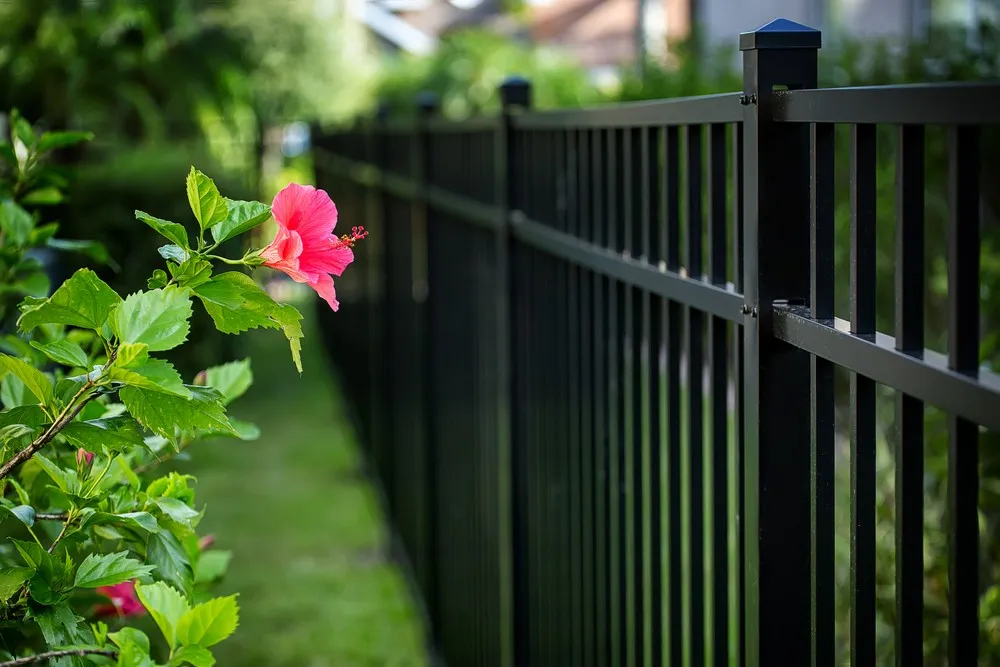
- Aluminum: Offers a lightweight, rust-free aesthetic with very little maintenance. Ornate styles and powder-coated finishes typically increase the cost.
- Composite: A higher-end material that blends the look of wood with plastic's durability. It is generally positioned as a premium investment.
- Wrought Iron/Steel: The premium choice for security and custom ornamental design. This material involves skilled fabrication and installation, making it the highest-cost option.
For the most accurate pricing based on current market rates in your area, the best step is to get a free quote.
Understanding labor and other essential costs
Beyond materials, several other costs contribute to your total project budget. Labor, in particular, is a major component.
Labor costs are influenced by the project's complexity and your geographic location. For instance, installing a simple straight-line fence is less labor-intensive than navigating a sloped property with multiple corners. Similarly, rates in major metropolitan areas are often higher than in rural regions.
Furthermore, remember to account for these common additional expenses:
- Gates, especially wide or automated driveway gates
- Removal and disposal of an existing old fence
- Any necessary staining or sealing for wood fences
- Decorative elements like post caps or lattice tops
- Potential land surveying or grading if property lines are unclear
How to get an accurate estimate for your project
To ensure you receive a fair and comprehensive estimate for your fence installation cost, follow a clear process.
First, get multiple detailed quotes. You should obtain at least three written estimates from licensed and insured contractors. Next, review the quote breakdown carefully. A trustworthy estimate will itemize costs for materials, labor, permits, and any extras. Finally, ask specific questions. Clarify what is included, such as cleanup and warranty details, and who is responsible for securing permits.
Scheduling your project during a contractor's traditionally slower season can sometimes lead to more favorable pricing. Therefore, being flexible with your timeline can be advantageous.
Investing in long-term value and property appeal
While the fence installation cost is a notable investment, it also delivers significant and lasting value to your property. A well-built fence enhances privacy, security, and curb appeal for many years. By understanding the factors that influence the price and choosing a reputable installer, you make an investment in your home's future. The most cost-effective choice balances your immediate budget with long-term durability and minimal maintenance needs.
Ready to understand the specific cost for your property? The most reliable way to get an accurate budget is through a professional assessment. Contact us today to get a free quote tailored to your vision, materials, and land.