Essential Fence Installation Considerations for New Homes
Moving into a new home is an exciting milestone, and establishing your private outdoor space quickly becomes a priority. While landscaping and decks often top the list, a well-planned fence is a foundational element that defines your property, ensures safety, and provides immediate privacy. However, fence installation for new homes comes with unique considerations that differ from replacing an existing fence. Proper planning before construction begins is crucial to avoid costly mistakes, ensure compliance, and seamlessly integrate your fence with your new home's architecture and landscape plan.
Why Fencing a New Home is Different
Installing a fence on a newly built property presents distinct challenges and opportunities. Unlike established yards, you're often working with raw, unsettled land that may have construction debris, uneven grading, or minimal topsoil. Furthermore, there are no existing property lines marked by an old fence. This situation requires a proactive approach. Planning your fence early in the moving process—or even during the home's construction phase—allows you to address these unique factors head-on and create a cohesive finished look for your entire property.
Step 1: Verify Property Lines and Obtain a Survey
This is the most critical step for fence installation for new homes. The stakes placed by the builder may not be accurate or may have been removed. Relying on them can lead to building on your neighbor's land or within a public easement.
- Action Plan: Request a copy of the official plat survey from your title company or builder. If one isn't available, invest in a new survey by a licensed professional. The surveyor will mark the exact corners of your property with stakes or flags. This upfront cost prevents immensely expensive legal disputes and removal costs down the road.
Step 2: Understand HOA Covenants and Local Regulations
Most new housing developments are governed by a Homeowners Association (HOA) with strict design guidelines. Additionally, city or county codes have specific rules.
- Action Plan: Obtain the HOA's architectural guidelines and submit your fence plans for approval before purchasing materials. Key items to check include:
- Allowed Materials: (e.g., vinyl, cedar, wrought iron).
- Height Restrictions: Often 4-6 feet for side/back yards.
- Style and Color Requirements: (e.g., natural wood tones, white vinyl only).
- Setback Rules: Distance the fence must be from the property line or sidewalk.
- Permit Requirements: Your fencing contractor can usually handle this, but you must be aware.
Step 3: Coordinate with Your Builder and Landscaper
Timing is everything. A poorly timed fence installation for new homes can damage new sod or interfere with other subcontractors.
- Action Plan: Communicate with your home builder about your fencing plans. Ideally, schedule fence installation after the major construction is complete but before final landscaping like sodding, sprinkler system installation, or decorative planting. This sequence prevents damage to your new lawn and allows the fence crew clear access to the perimeter.
Step 4: Plan for Utilities and Land Grading
New homes often have recently buried utility lines for cable, gas, and electricity. The ground itself may not have settled or been graded for proper drainage.
- Action Plan:
- Call 811: Always contact your local "Call Before You Dig" service to have all public utility lines marked. This is free and legally required.
- Private Utilities: Identify the path of any private lines (e.g., from house to garage, landscape lighting).
- Assess Drainage: Observe how water flows across your lot after a rain. Discuss with your installer about possibly grading the fence line or using gravel to improve drainage around posts.
Step 5: Choose Materials That Complement Your New Home
Your fence should look like an original part of your home's design, not an afterthought.
- Action Plan: Select materials that enhance your home's architecture.
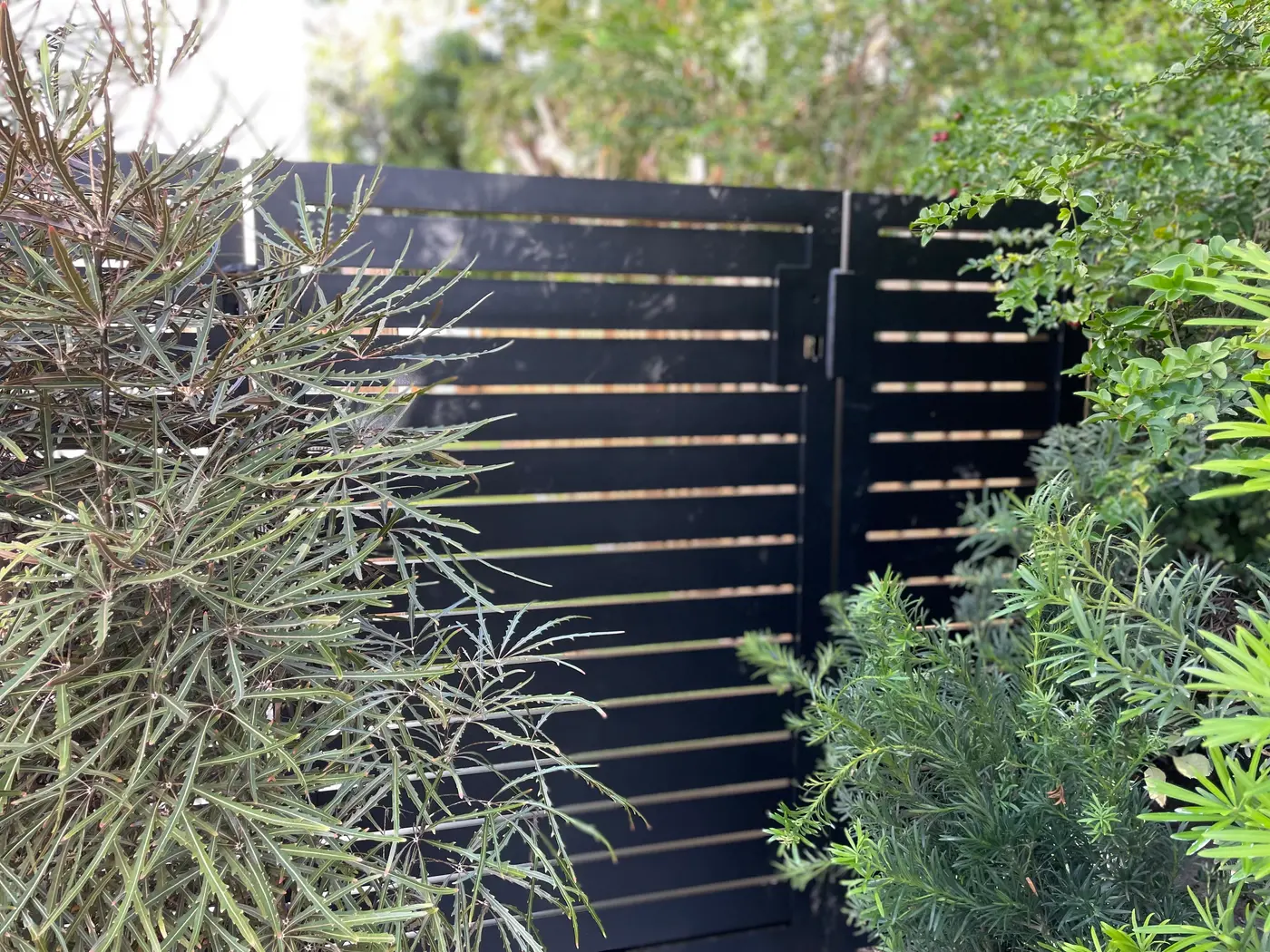
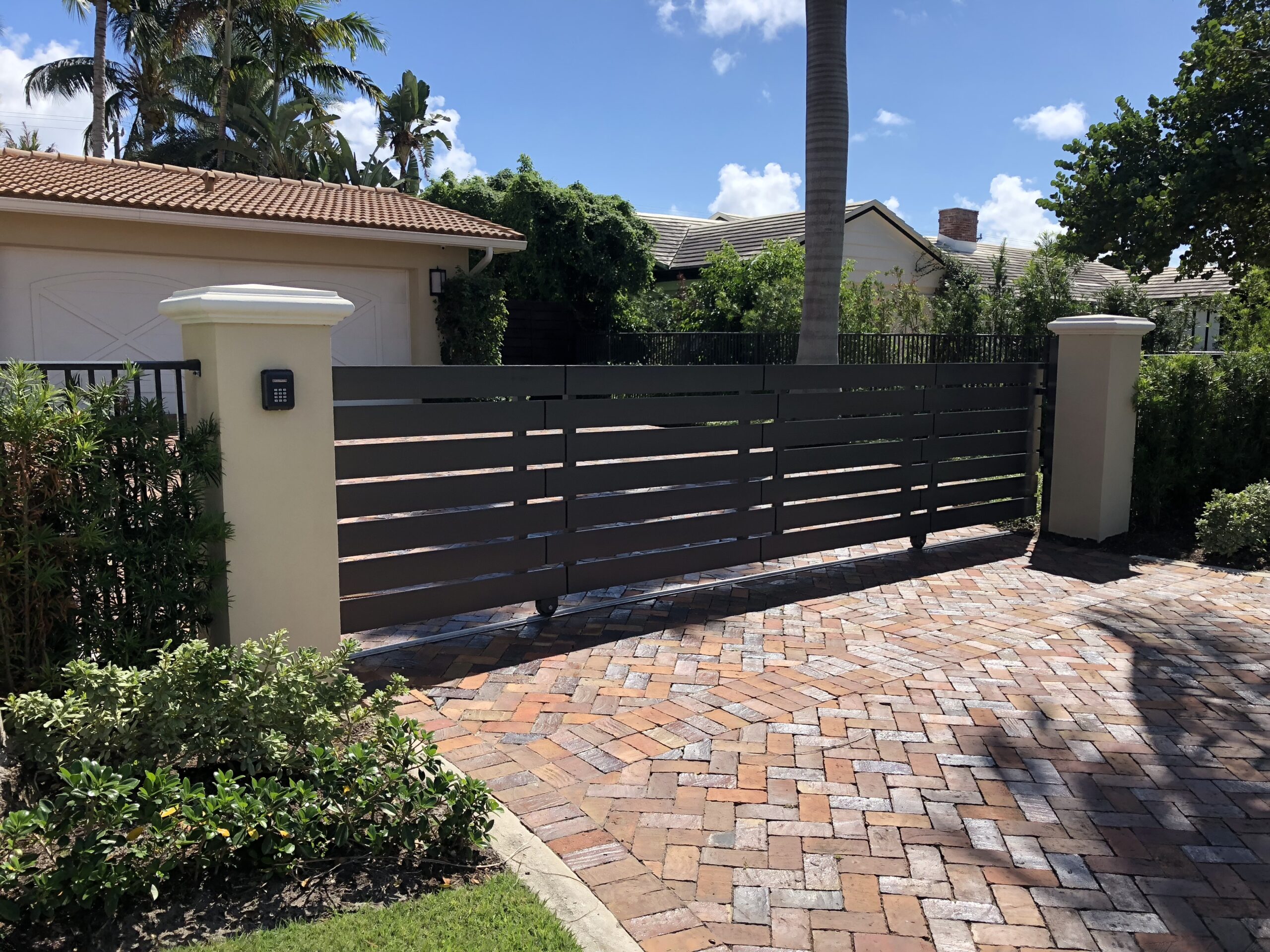
- Modern Homes: Horizontal slat wood, composite, or metal fences.
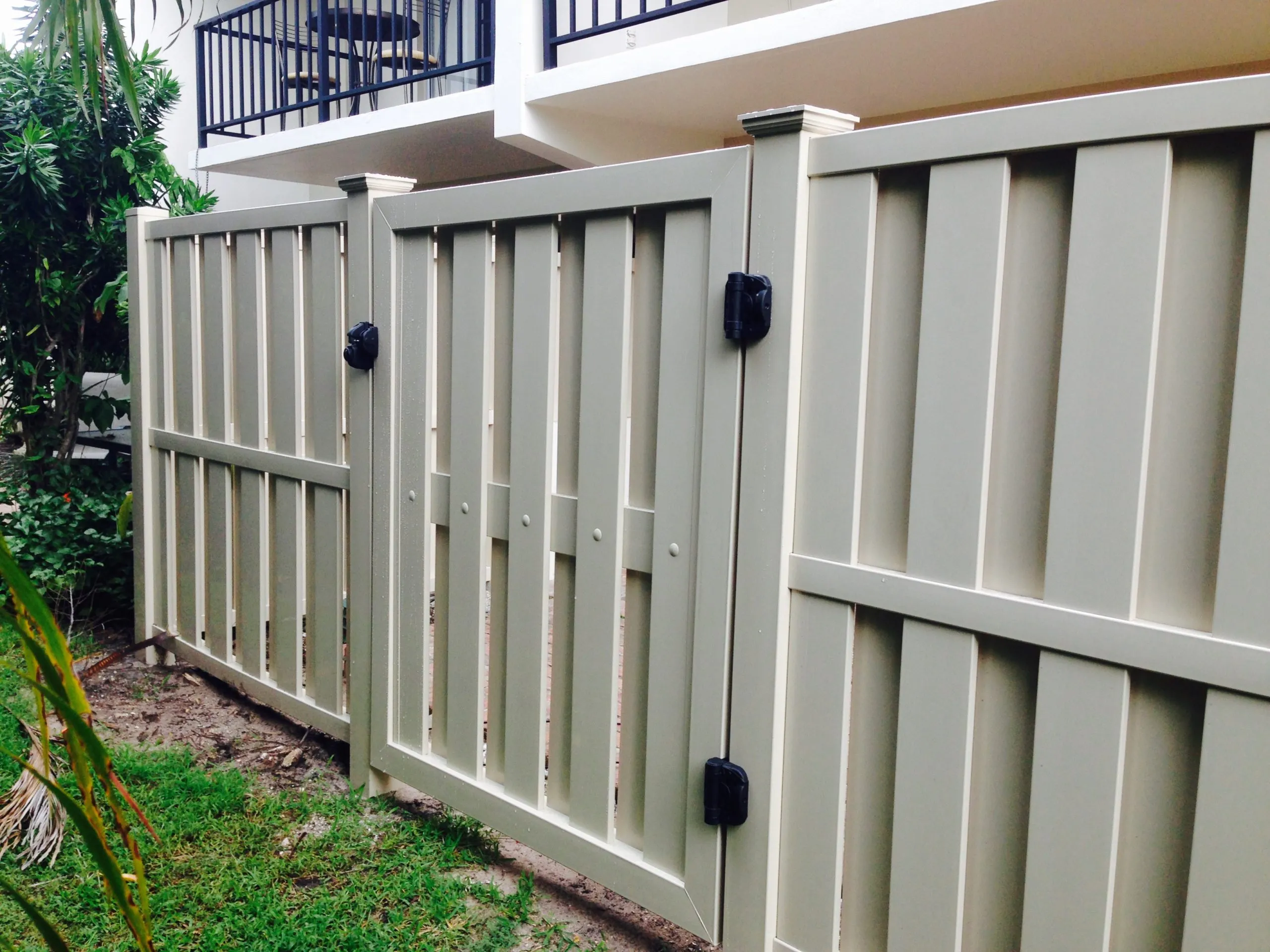
- Traditional Homes: White vinyl privacy, classic wood picket, or board-on-board.
- Consider Durability: New homeowners often prefer low-maintenance materials like vinyl, composite, or aluminum to avoid immediate upkeep projects.
Step 6: Budget and Hire a Professional Installer
A new home comes with many expenses, but a fence is a long-term investment in your property's value and your family's enjoyment.
- Action Plan: Get multiple quotes from licensed, insured contractors experienced in fence installation for new homes. They will understand the specific challenges of new construction. Ensure the quote includes:
- Removal of any construction debris along the fence line.
- Post-installation cleanup.
- A detailed timeline that coordinates with your other projects.
Conclusion: Build Your Foundation for Outdoor Living
A thoughtfully planned fence is one of the first things that makes a new house feel like a settled home. By taking these steps—verifying boundaries, understanding rules, coordinating timing, and choosing the right materials—you ensure your fence installation for new homes is a smooth, successful project. This proactive planning protects your investment, fosters good relationships with your new neighbors and HOA, and creates a beautiful, functional backdrop for years of memories in your new home.
Ready to plan the perfect fence for your new home?
Our team specializes in seamless fence installation for new homes, coordinating with builders and navigating HOA requirements. Contact us for a consultation to build a fence that perfectly frames your new beginning.