How to choose the perfect fence type and style for your home
Choosing the right fence is about more than just marking a boundary—it’s a defining element of your home’s character, functionality, and curb appeal. With so many materials, designs, and purposes to consider, the selection process can feel overwhelming. Whether you're seeking privacy, security, a safe play area for pets and children, or simply a beautiful frame for your garden, the perfect fence is out there. In this guide, we’ll explore the most popular fence types and styles, breaking down their pros, cons, and best uses. From timeless wood to modern composite, let’s navigate the options to help you find the ideal enclosure that complements your lifestyle and enhances your outdoor sanctuary.
Key Factors to Consider Before Choosing Your Fence
Before diving into fence types and styles, it’s essential to assess your specific needs. Your priorities will guide your choice toward the perfect solution.
- Purpose: Define your primary goal. Is it privacy, security, pet containment, decoration, noise reduction, or wind protection?
- Maintenance Commitment: Consider how much time and money you’re willing to invest in upkeep like staining, painting, or cleaning.
- Budget: Factor in both the initial installation cost and long-term maintenance expenses.
- Climate & Environment: Your local weather (sun, rain, snow, humidity) and soil conditions will affect material durability.
- Local Regulations: Always check homeowners association (HOA) rules and municipal codes for restrictions on height, style, and placement.
A Deep Dive into Popular Fence Materials
The material you choose forms the foundation of your fence’s look, feel, and longevity.
1. Classic & Versatile: Wood Fencing
Wood remains a beloved choice for its natural beauty and versatility.
- Styles: Privacy (board-on-board, shadowbox), picket, post-and-rail, lattice-top.
- Pros: Natural aesthetic, highly customizable (can be painted or stained), provides excellent privacy and sound dampening.
- Cons: Requires regular maintenance (sealing, staining, repainting), susceptible to rot, insect damage, and warping over time.
- Best For: Homeowners who love a traditional look and don’t mind periodic upkeep.
2. Durable & Low-Maintenance: Vinyl/PVC Fencing
Vinyl offers the look of painted wood without the maintenance hassles.
- Styles: Solid privacy, semi-privacy, picket, ranch rail.
- Pros: Extremely low maintenance (just occasional washing), resists rot, insects, and fading, available in various colors and textures.
- Cons: Higher upfront cost, can become brittle in extreme cold, and while durable, severe impacts can crack panels.
- Best For: Those seeking a clean, long-lasting look with minimal upkeep.
3. Strong & Secure: Metal Fencing (Aluminum & Wrought Iron)
Metal fences offer security and timeless elegance with varying degrees of ornamentation.
- Styles: Ornamental (with intricate designs), flat-top, spear-top, pool code styles.
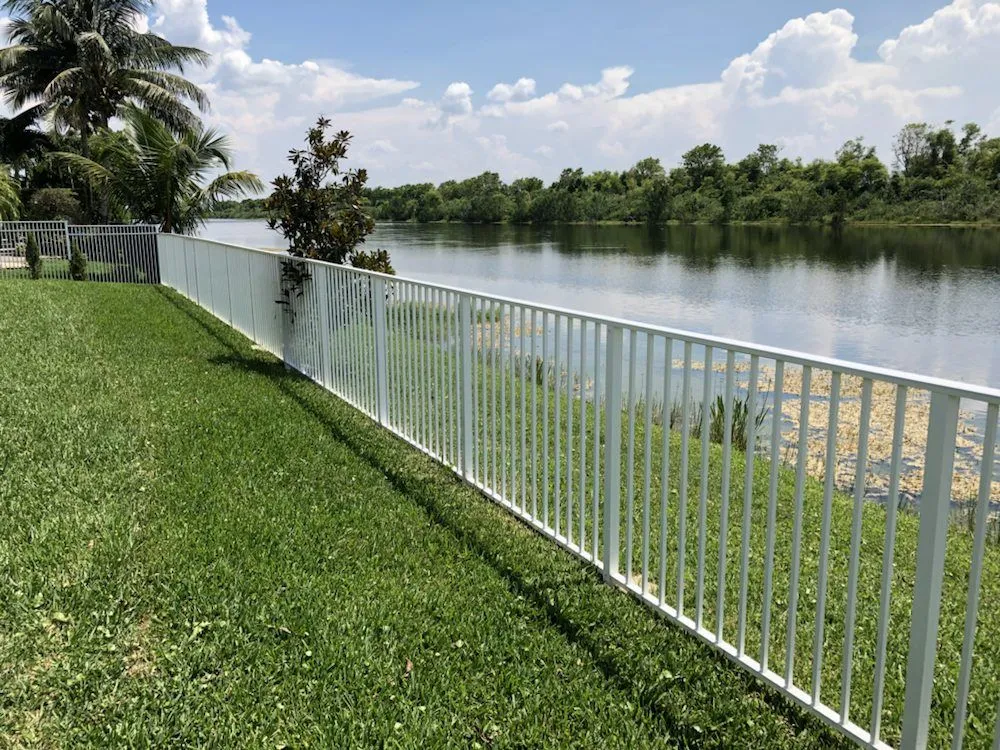
- Pros: Exceptional security and durability, very low maintenance (especially powder-coated aluminum), provides a stately, open view.
- Cons: Offers little privacy, wrought iron requires anti-rust treatments, and high-quality ornamental iron is a significant investment.
- Best For: Security-focused installations, pool surrounds, and adding elegant perimeter definition without blocking views.
4. Modern & Eco-Conscious: Composite Fencing
Made from a blend of wood fibers and recycled plastics, composite is a modern contender.
- Styles: Often mimics the look of wood grain in privacy or semi-privacy panels.
- Pros: Excellent durability, resists rot, insects, and fading, very low maintenance, eco-friendly materials.
- Cons: Highest upfront cost among common materials, color choices can be limited, and the look, while wood-like, is distinct.
- Best For: Eco-minded homeowners wanting a wood aesthetic with superior durability and near-zero maintenance.
Exploring Popular Fence Styles for Every Need
Now, let’s match popular styles with their common uses and materials.
- Solid Privacy Fence: The go-to for creating a secluded backyard oasis. Typically 6-8 feet tall with no gaps between boards. Common Materials: Wood, Vinyl, Composite.
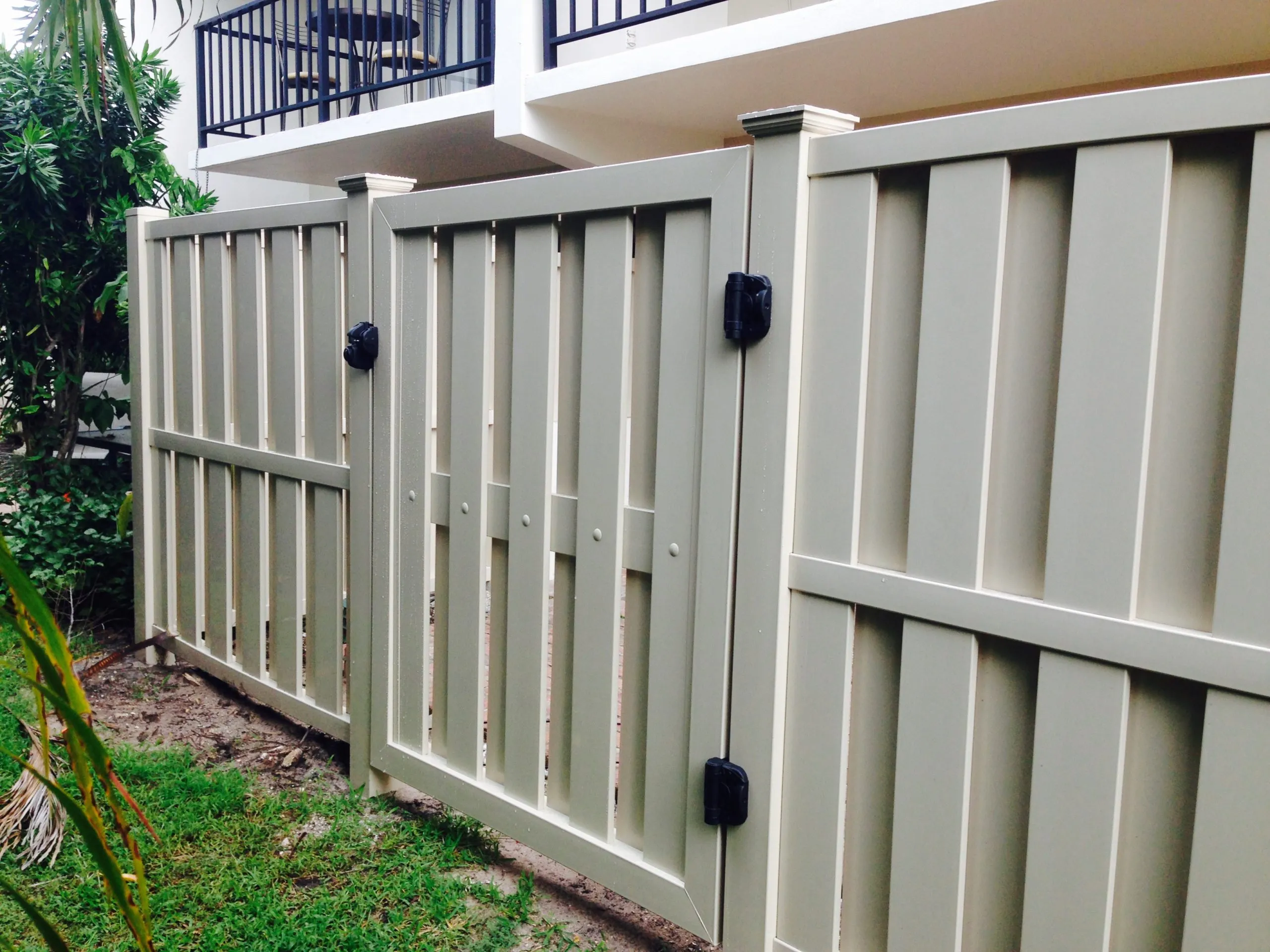
- Semi-Privacy Fence (Shadowbox or Lattice): Offers a balance of privacy and airflow. The shadowbox style spaces boards with small gaps, visible from an angle. Lattice tops add decorative openness. Common Materials: Wood, Vinyl.
- Classic Picket Fence: The iconic symbol of the American front yard. Provides boundary definition with charm, without blocking the view. Common Materials: Wood, Vinyl, Aluminum.
- Ranch or Split-Rail Fence: A rustic, open style perfect for large properties, pastures, or a country aesthetic. It marks boundaries without containing small pets. Common Materials: Wood, Vinyl.
- Ornamental Metal Fence: Adds elegance, security, and curb appeal. Often features curves, finials, and intricate scrollwork. Common Materials: Wrought Iron, Aluminum.
How to Match Your Fence Style with Your Home’s Architecture
Cohesion is key to great curb appeal.
- Traditional/Colonial Homes: Pair with white picket, shadowbox wood, or classic black aluminum fences.
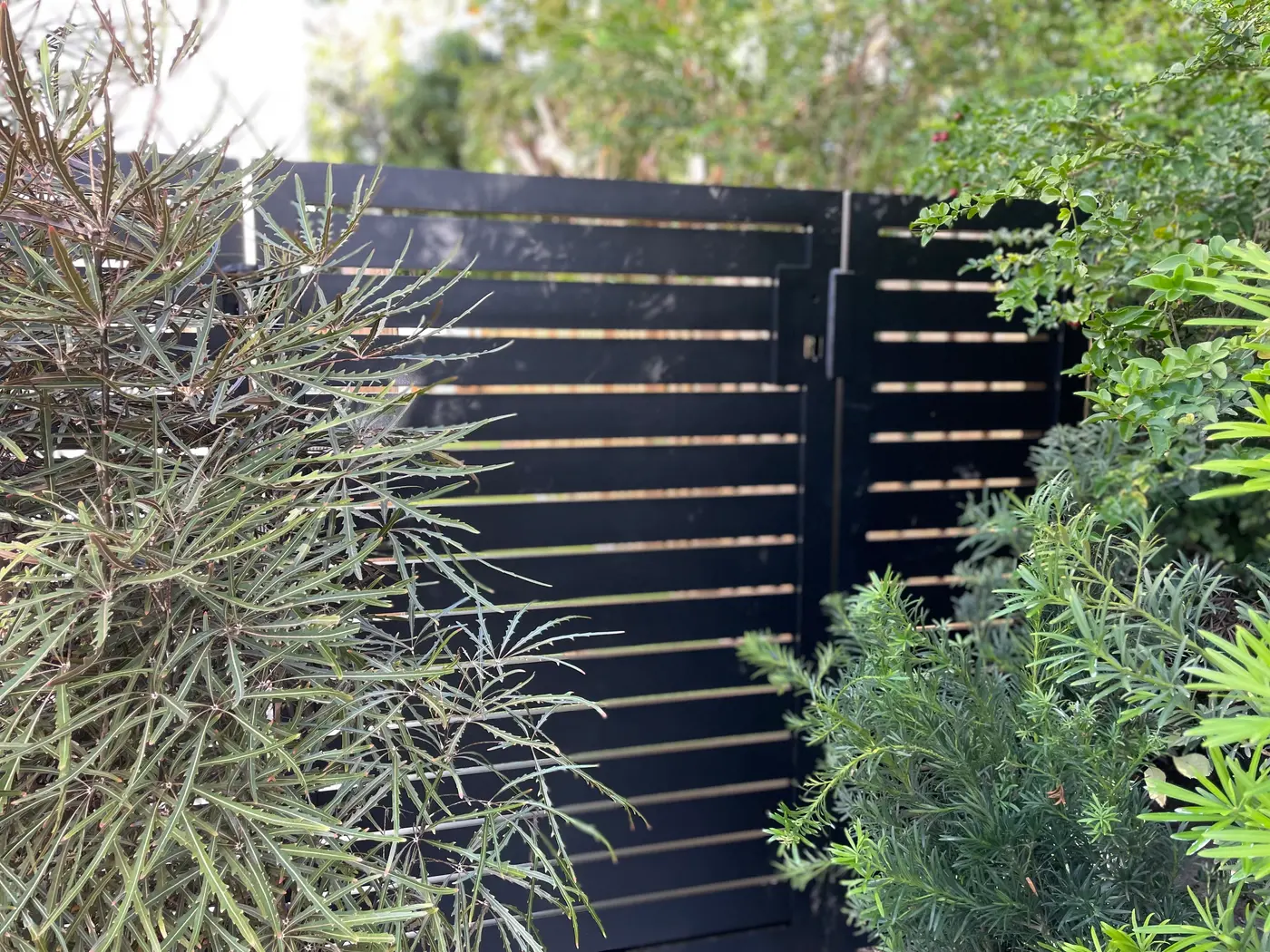
- Modern/Contemporary Homes: Opt for horizontal-slatted wood, sleek composite panels, or simple, straight-line metal designs.
- Craftsman or Cottage Homes: Natural wood stockade, board-on-board, or picket fences complement these styles beautifully.
- Ranch-Style Homes: Split-rail, post-and-rail, or simple board fences enhance the relaxed, horizontal lines.
Installation Insights: DIY or Professional Help?
While some fencing projects (like simple wood pickets or prefab panels) are within a confident DIYer’s reach, consider professional installation for:
- Complex Terrain: Slopes or rocky soil require expert handling.
- Material Specifics: Proper installation of vinyl, composite, and wrought iron is crucial for warranty and longevity.
- Large or Critical Projects: For full privacy fences, security gates, or pool codes, professional ensures stability, levelness, and compliance.
Making Your Final Decision: A Checklist
Ready to choose? Run through this final list:
- I have clarified my primary purpose (privacy, security, etc.).
- My chosen material fits my maintenance budget and local climate.
- The style complements my home’s architecture.
- I have verified HOA rules and local permit requirements.
- I have obtained multiple quotes from reputable installers (if not DIY).
- I understand the warranty coverage for both materials and workmanship.
Your fence is a long-term investment in your property’s beauty, function, and value. By exploring the fence types and styles outlined here, you’re equipped to make an informed choice that will define your perfect yard for years to come.