Composite vs. PVC Privacy Fences: Key Differences to Help You Choose
Choosing the right privacy fence often comes down to a battle between two modern heavyweights: composite and PVC (vinyl). Both promise a low-maintenance alternative to wood, but they are fundamentally different materials with unique strengths and trade-offs. If you’re weighing durability, aesthetics, and long-term value, understanding the core differences is crucial. This guide cuts through the marketing claims to explain what composite fences really are and how they stack up against traditional PVC in the key areas that matter for your home.
What is a Composite Fence? Breaking Down the Materials
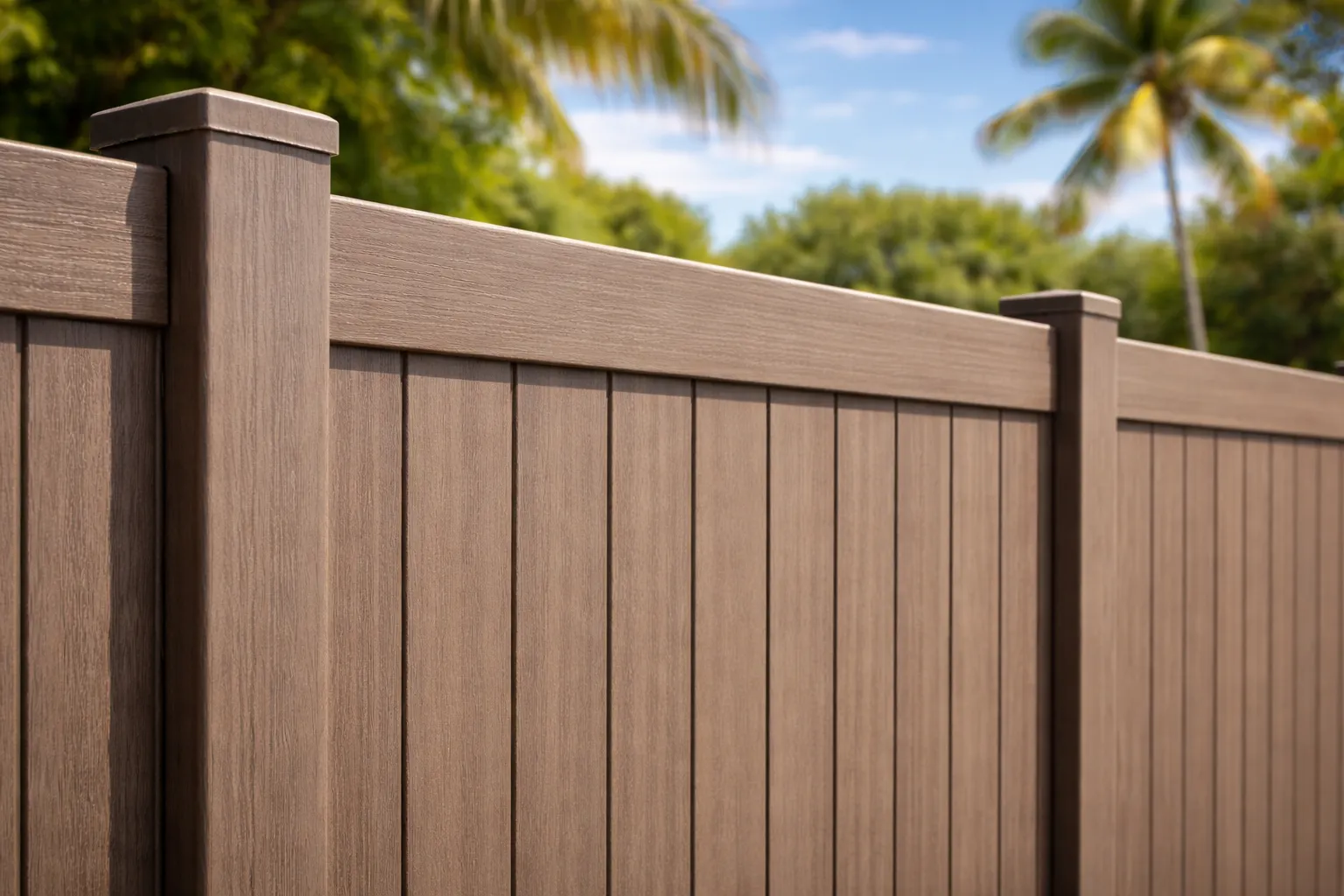
A composite fence is an engineered product, typically made from a blend of recycled wood fibers (or bamboo) and plastic polymers (often recycled polyethylene or PVC). This combination is heated, formed, and molded into fence boards, posts, and rails. The result is a material that aims to capture the natural, textured appearance of wood while boasting the durability and minimal upkeep of plastic. Unlike a single-material product, composite is a hybrid, designed to leverage the best qualities of both components.
What is a PVC (Vinyl) Fence? Understanding the Classic
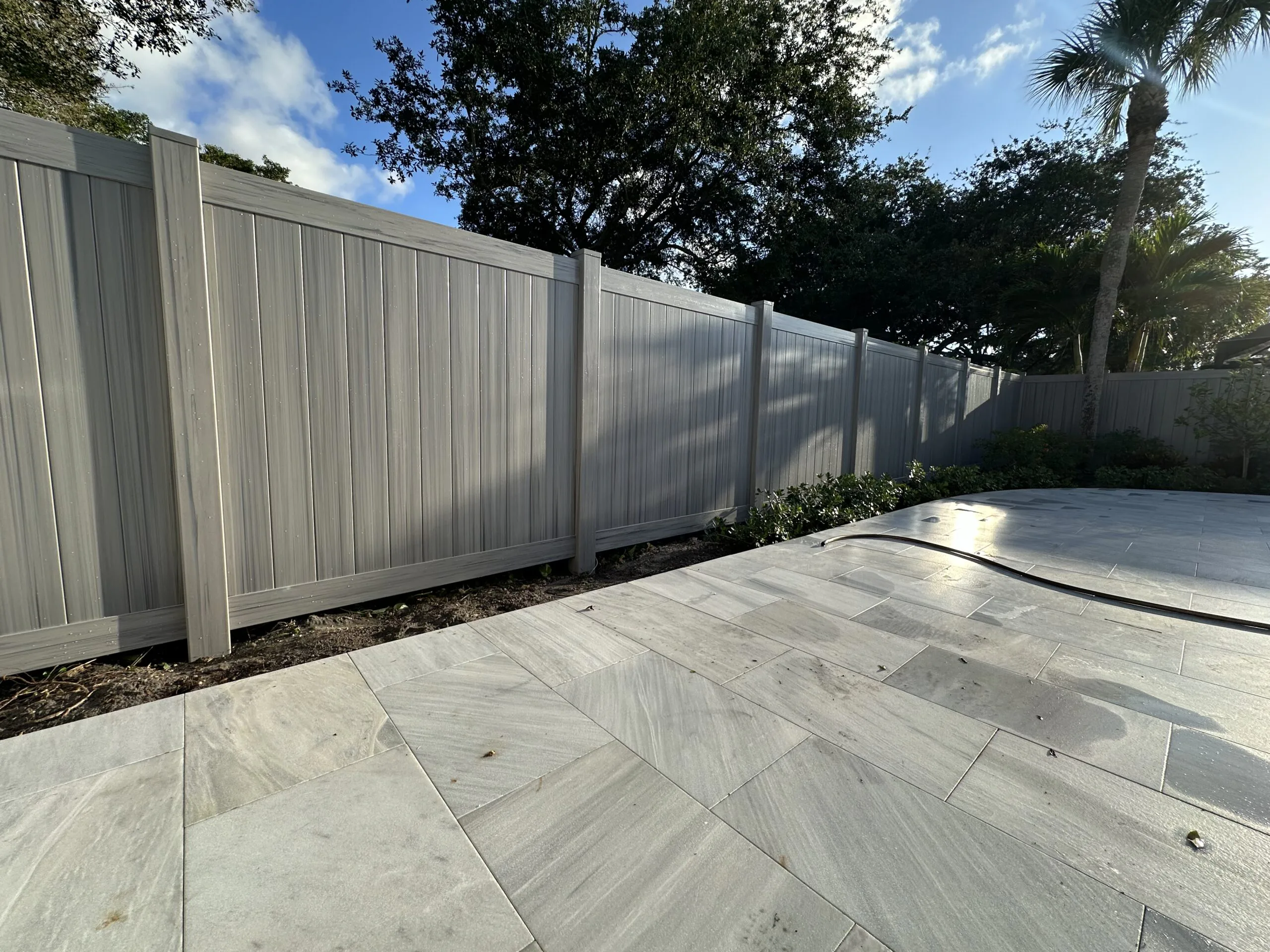
PVC, commonly called vinyl fencing, is made from 100% polyvinyl chloride (PVC) resin, a type of plastic. It is a homogenous material that is extruded into hollow or solid forms to create fence panels, posts, and caps. Modern PVC fences include UV inhibitors and impact modifiers to resist fading and cracking. Known for its clean, uniform appearance and bright white or neutral color options, PVC has been the go-to low-maintenance fence for decades.
Head-to-Head Comparison: Composite vs. PVC
To clearly see the differences, let's break down the key categories:
| Feature | Composite Fence | PVC (Vinyl) Fence |
|---|---|---|
| Material Composition | Wood fibers + plastic polymers | 100% Polyvinyl Chloride (PVC) |
| Aesthetic & Feel | Natural wood-grain texture; matte, varied color; feels more substantial. | Smooth, uniform finish; glossy or matte; can look synthetic. |
| Durability & Strength | Very high; resists dents and scratches; solid construction is heavy. | Good; can become brittle in extreme cold; hollow profiles can crack on impact. |
| Maintenance | Annual wash; mold/mildew can form in damp, shady areas. | Occasional wash; highly stain- and mold-resistant. |
| Lifespan | 25+ years | 20-30+ years |
| Cost | Higher initial investment (premium material). | Generally more affordable (established manufacturing). |
| Environmental Profile | Often uses recycled content; not always recyclable at end-of-life. | Rarely contains recycled material; recyclable in theory but not always in practice. |
The Case for Composite Fences: Key Advantages
1. Superior, Natural Aesthetics: This is composite's biggest win. The wood-grain texture and rich, variegated colors mimic real wood far more convincingly than the smooth finish of PVC. It offers a premium, custom-built look.
2. Strength and Rigidity: Composite fencing materials are typically solid or capped cellular, making them incredibly robust. They resist splintering, denting, and animal damage better than many hollow-vinyl profiles.
3. Long-Term Value: While the upfront cost is higher, the combination of a long lifespan, minimal upkeep, and timeless good looks can offer a better return on investment, especially for luxury properties.
Where PVC Fences Still Shine
1. Lower Cost: PVC remains a more budget-friendly option for achieving a clean, low-maintenance fence. The installation cost is also often lower due to lighter, more familiar materials.
2. Effortless Maintenance: PVC is remarkably easy to clean. Its non-porous surface resists mold, mildew, and stains more effectively than composite, making it ideal for very humid or perpetually shady areas.
3. Bright Color Stability: For homeowners who love a crisp white fence, high-quality PVC with co-extruded color can maintain its brightness with excellent UV resistance.
Which Fence is Right for Your Home? A Decision Guide
Choose a Composite Fence if:
- Your top priority is a natural wood-like appearance.
- You want maximum durability and don’t mind a higher initial cost.
- You live in a sunny area where fading is less of a concern than texture.
Choose a PVC Fence if:
- Budget is a primary concern, and you value function over a wood-look.
- You live in a humid, damp climate where mold resistance is critical.
- You prefer a uniform, bright white or light-colored fence that’s effortless to clean.
A matter of priority and investment
So, are composite fences really better than PVC? The answer is: it depends on what you value most.
Composite is the better choice for homeowners who view their fence as a long-term investment in their property’s aesthetic and are willing to pay a premium for the most natural look and feel with exceptional durability.
PVC remains an excellent choice for those seeking proven, affordable, and truly low-maintenance fencing that performs reliably for decades with minimal effort.
In essence, composite offers a premium upgrade in appearance and solidity, while PVC provides a cost-effective and highly practical solution. By aligning the material's strengths with your specific needs, budget, and style, you can confidently choose the fence that’s truly better for your backyard.