Secure Your Space: The Ultimate Guide to Choosing the Perfect Aluminum and Metal Fence and Gate
When it comes to safeguarding your property, choosing the right aluminum and metal fence and gate is paramount—and XL Fencing is the expert you can trust to get it done right. We don’t just install fences; we create durable, secure, and stylish boundaries that elevate the look and safety of your home. From sleek modern designs to timeless classic styles, our team guides you through every option, ensuring the perfect fit for your space. With years of experience and a commitment to quality craftsmanship, XL Fencing turns your outdoor area into a secure, beautiful haven that reflects your unique taste. Don’t settle for less—choose the professionals who make every fence installation seamless and stunning.
Benefits of Aluminum and Metal Fencing
When it comes to choosing a fence for your property, the benefits of aluminum and metal fencing are hard to overlook. First and foremost, these materials are known for their durability. Unlike wood, which can rot or warp over time, aluminum and metal fences are built to withstand harsh weather conditions and the test of time. This means less worry about constant repairs or replacements, ultimately saving you money and hassle in the long run.
Another significant advantage is the level of security they provide. Aluminum and metal fences are incredibly sturdy, making them difficult for intruders to breach. They can be installed in various heights and styles, providing both physical and psychological barriers to potential trespassers. Additionally, these fences can be equipped with advanced locking mechanisms and security systems, further enhancing the safety of your property.
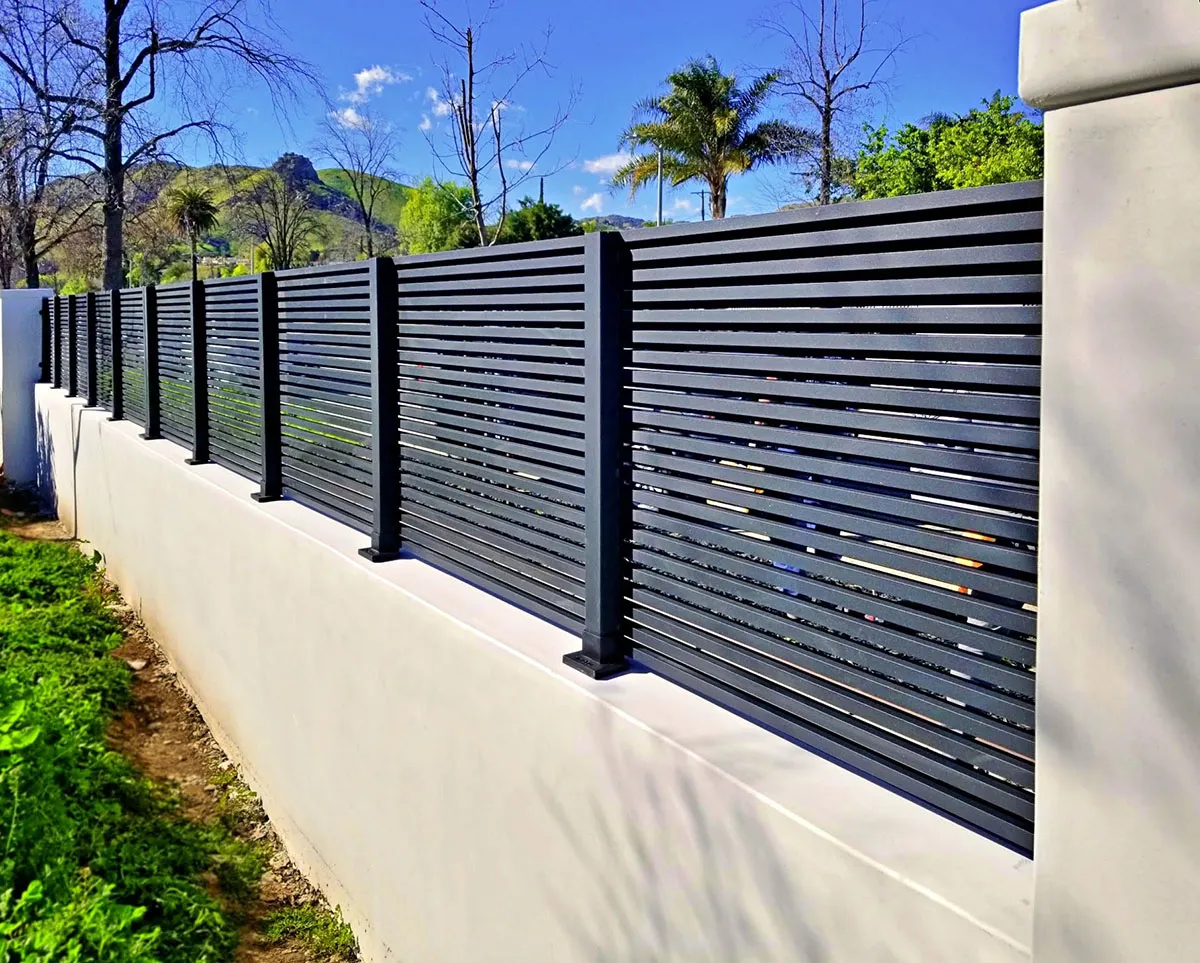
Aesthetically speaking, aluminum and metal fences offer a sleek and modern look that can complement any property style. Whether you prefer the minimalist appeal of aluminum or the classic charm of wrought iron, these fences can be customized to match your personal taste and the architectural design of your home. Moreover, they require minimal maintenance to keep their appearance pristine, making them a practical and attractive option for homeowners.
Types of Aluminum and Metal Fences
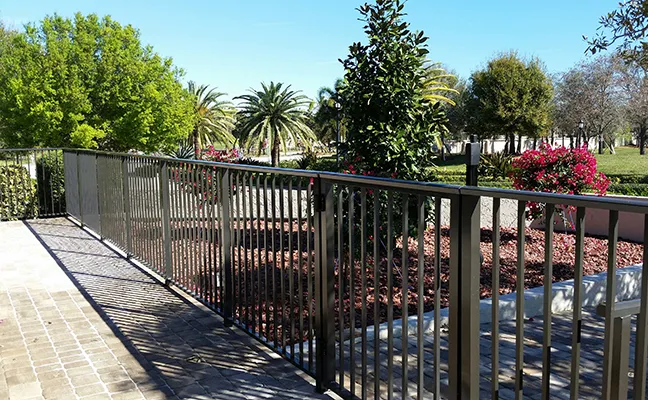
Choosing the right type of fence involves understanding the variety of options available. Aluminum fences are popular for their lightweight nature and resistance to rust and corrosion. They come in various designs, from simple, clean lines to intricate patterns, allowing homeowners to select a style that fits their aesthetic preferences. Aluminum fences are also known for their ease of installation, which can be a significant advantage for those looking to quickly enhance their property’s security and curb appeal.
On the other hand, steel fences offer unmatched strength and durability. They are often used in commercial settings but are also suitable for residential properties that require a higher level of security. Steel fences can be galvanized or powder-coated to prevent rust and extend their lifespan. These fences are typically more robust than aluminum, making them an excellent choice for areas prone to severe weather or where a stronger physical barrier is required.
Wrought iron fences are another popular option, known for their classic and elegant appearance. While they are more expensive and require more maintenance to prevent rust, the timeless beauty and strength they offer can be well worth the investment. These fences are often used in historic districts or for homes with traditional architectural styles, adding a touch of sophistication and grandeur to the property.
Key Considerations When Choosing a Fence
Selecting the perfect fence for your property involves several key considerations to ensure you make the right choice. One of the first factors to evaluate is the primary purpose of the fence. Are you looking for privacy, security, or simply to enhance the aesthetic appeal of your property? Understanding your primary goal will help narrow down your options and guide you towards the most suitable material and design.
Another critical consideration is the local climate and environmental conditions. If you live in an area with high humidity or frequent rain, choosing a rust-resistant material like aluminum can be beneficial. Conversely, if you reside in a region with harsh winters, a sturdy steel fence may offer better protection and longevity. Additionally, consider any local regulations or homeowner association guidelines that may dictate specific fencing requirements or restrictions.
Budget is also a crucial factor when choosing a fence. While it’s essential to invest in a high-quality fence that meets your needs, it’s equally important to stay within your financial means. Compare the costs of different materials, styles, and installation methods to find a balance between durability, aesthetic appeal, and affordability. Remember to factor in long-term maintenance costs, as some materials may require more upkeep than others.
Comparing Aluminum and Metal Fencing Options
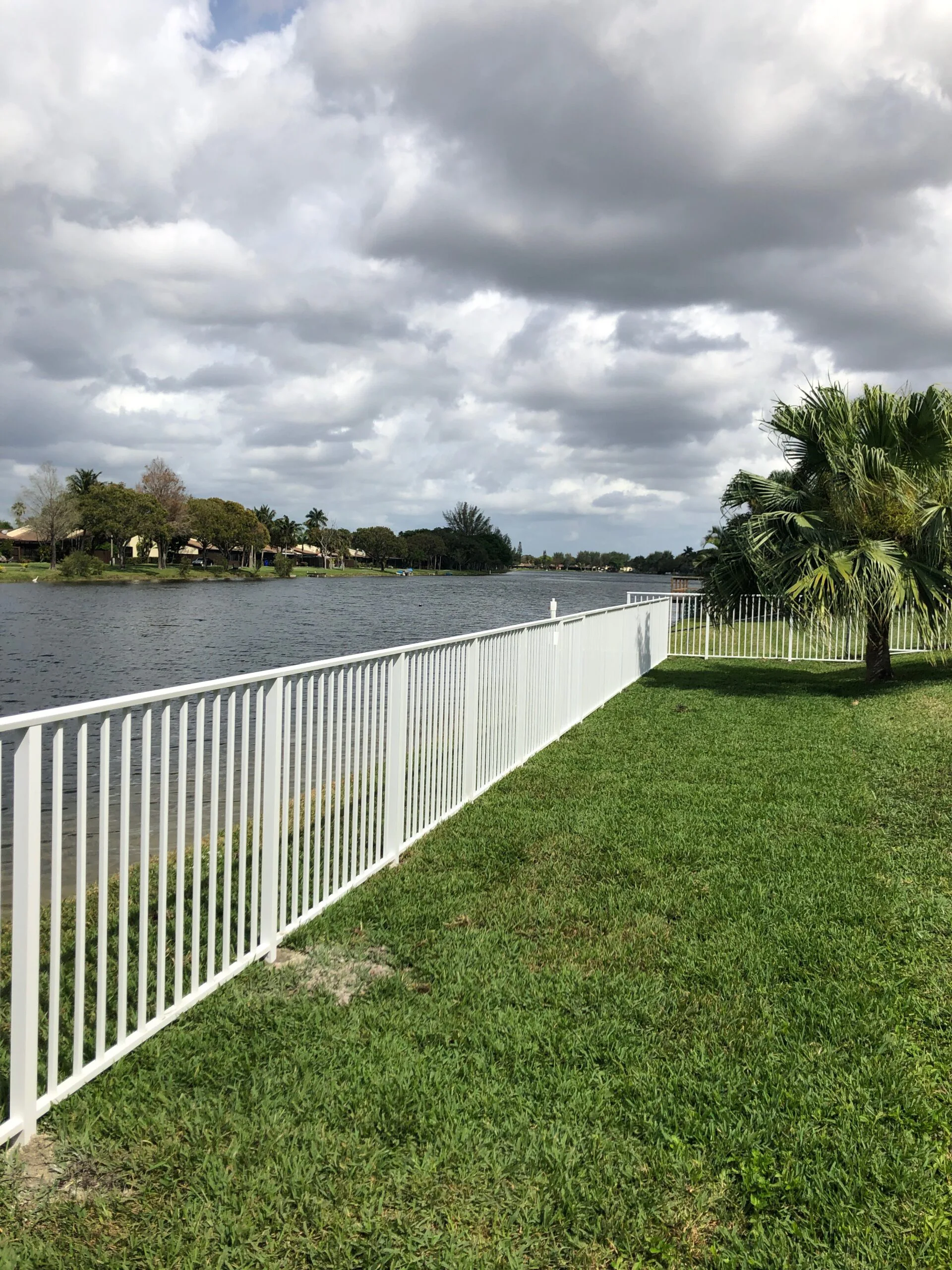
When comparing aluminum and metal fencing options, it’s essential to weigh the pros and cons of each material to determine the best fit for your property. Aluminum fences are known for their lightweight nature and resistance to rust, making them an ideal choice for coastal areas or regions with high humidity. They are also relatively easy to install, which can reduce labor costs and expedite the installation process.
In contrast, steel fences offer superior strength and durability, making them suitable for properties requiring a higher level of security. While steel is heavier and more challenging to install, its robustness can provide a more formidable barrier against intruders. Steel fences can also be galvanized or powder-coated to enhance their resistance to rust and corrosion, ensuring a long-lasting and low-maintenance solution.
Wrought iron fences, while more expensive and requiring more maintenance, offer a unique blend of strength and aesthetic appeal. Their classic and elegant design can add a touch of sophistication to any property, making them a popular choice for historic homes or upscale neighborhoods. When comparing fencing options, consider the specific needs of your property, including security, maintenance, and aesthetic preferences, to make an informed decision.
Installation Process for Aluminum and Metal Fences
The installation process for aluminum and metal fences involves several key steps to ensure a secure and durable result. The first step is to conduct a thorough site assessment to determine the best placement for the fence. This includes measuring the perimeter, marking the locations for posts, and identifying any potential obstacles or uneven terrain that may affect the installation.
Once the site assessment is complete, the next step is to prepare the ground for installation. This involves digging holes for the fence posts, ensuring they are deep enough to provide stability and support for the fence. The posts are then set in concrete to anchor them securely in place. This step is crucial for ensuring the fence remains upright and stable, even in adverse weather conditions.
After the posts are set and the concrete has cured, the next step is to attach the fence panels. This involves securing the panels to the posts using brackets or screws, ensuring they are level and evenly spaced. Finally, any gates or additional features are installed, and the entire fence is inspected for stability and alignment. Proper installation is crucial for ensuring the longevity and effectiveness of your fence, so it’s often best to hire professional installers to ensure the job is done correctly.
Maintenance Tips for Longevity
Maintaining your aluminum or metal fence is essential for ensuring its longevity and keeping it looking its best. One of the most important maintenance tasks is regular cleaning. This involves washing the fence with a mild detergent and water to remove dirt, grime, and any buildup that can cause corrosion or damage over time. For aluminum fences, a simple rinse with a garden hose can often suffice, while metal fences may require a bit more scrubbing to remove stubborn stains.
Another crucial maintenance task is inspecting the fence regularly for any signs of damage or wear. This includes checking for loose or missing screws, damaged panels, or signs of rust or corrosion. Addressing these issues promptly can prevent further damage and extend the lifespan of your fence. For metal fences, applying a rust inhibitor or paint can help protect against corrosion and keep the fence looking new.
Lubricating any moving parts, such as gates or hinges, is also essential for maintaining the functionality of your fence. This can prevent squeaking and ensure smooth operation. Additionally, trimming any vegetation or landscaping around the fence can prevent damage from overgrown plants or roots. By following these maintenance tips, you can ensure your aluminum or metal fence remains secure, functional, and attractive for years to come.
Enhancing Security with Gates
Gates play a crucial role in enhancing the security of your property, providing controlled access points that can be customized to meet your specific needs. When choosing a gate, it’s essential to consider the level of security required and the type of access control you prefer. For high-security applications, options such as automated gates with keypad entry or remote control access can provide an added layer of protection.
The design and construction of the gate are also important factors to consider. A sturdy, well-built gate made from durable materials such as steel or wrought iron can provide a formidable barrier against intruders. Additionally, the height and design of the gate can deter unauthorized access, with taller gates or those with pointed tops offering increased security. Ensuring the gate is installed correctly and securely is crucial for maintaining its effectiveness.
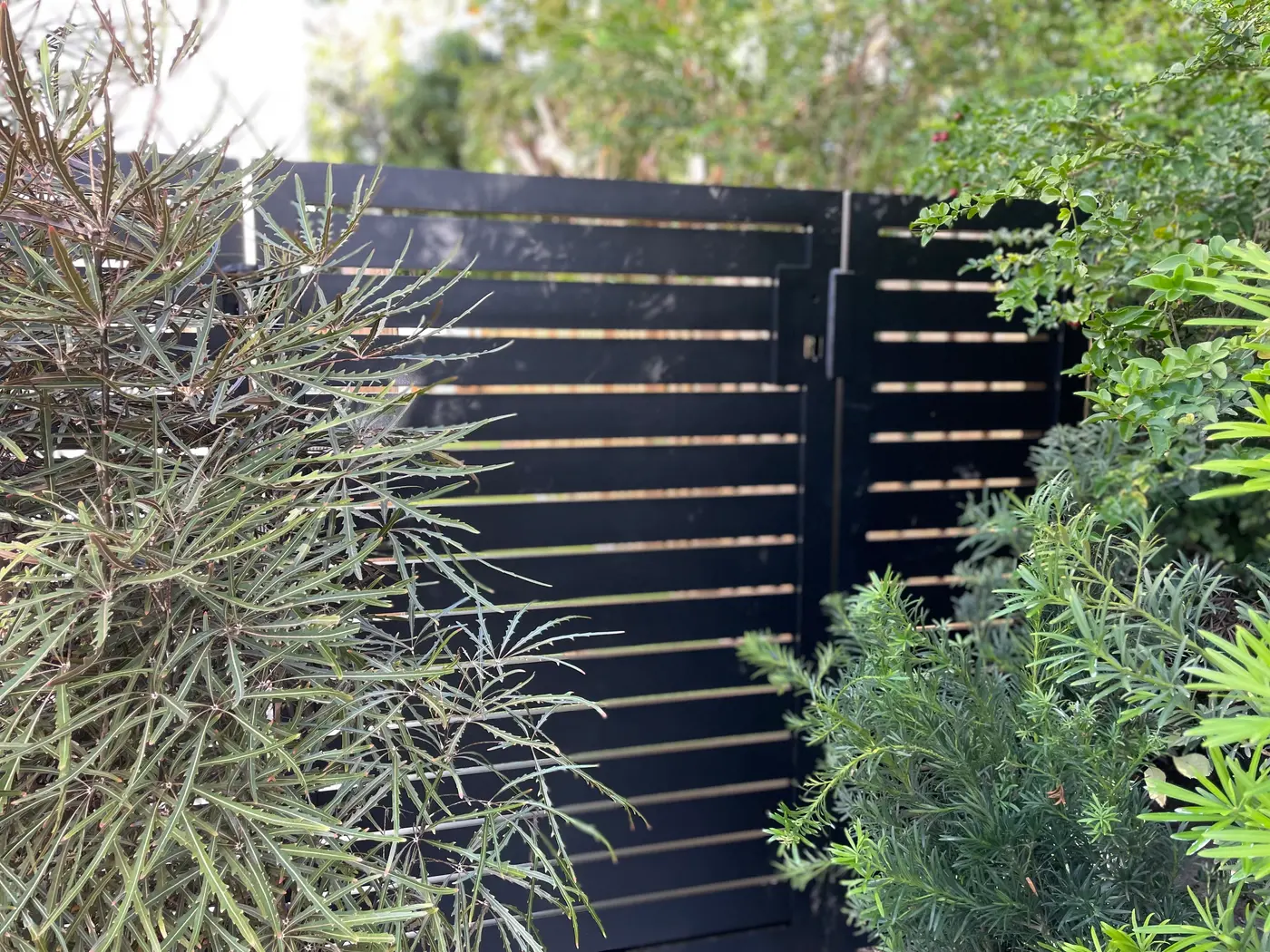
In addition to security, gates can also enhance the aesthetic appeal of your property. Customizing the design of your gate to match the style of your fence and home can create a cohesive and attractive look. Whether you prefer a sleek, modern design or a more traditional, ornate style, there are countless options to choose from. By selecting the right gate, you can enhance both the security and curb appeal of your property.
Cost Analysis: Budgeting for Your Fence and Gate
Budgeting for a new fence and gate involves several factors to ensure you get the best value for your investment. The first step is to determine the overall cost of the materials. Aluminum fences are typically more affordable than steel or wrought iron, but the price can vary depending on the design and quality of the material. Additionally, consider any additional features or customization options that may increase the cost.
Labor costs are another significant factor to consider when budgeting for your fence and gate. Professional installation is often recommended to ensure the fence is installed correctly and securely. The cost of labor can vary depending on the complexity of the installation, the size of the fence, and the location of your property. It’s essential to get multiple quotes from reputable contractors to ensure you get a fair price.
Finally, consider the long-term maintenance costs of your fence and gate. While aluminum fences require minimal maintenance, steel and wrought iron fences may require more upkeep to prevent rust and corrosion. Factor in the cost of any necessary maintenance supplies, such as rust inhibitors or paint, as well as the time and effort required to keep your fence in good condition. By considering all these factors, you can create a realistic budget for your fence and gate that meets your needs and financial constraints.