Florida fence height cuidelines: How to balance privacy, HOA regulations, and local building codes
Planning a new fence for your Florida home involves many decisions. Among the most important is determining how tall your fence should be. The average fence height in Florida isn't just a matter of preference. It is often dictated by local codes, homeowners' association rules, and your specific privacy needs.
Understanding these height requirements is essential. A fence that is too short won't provide the seclusion you want. A fence that is too tall might violate regulations, leading to fines or forced alterations. This guide will help you navigate the rules and make an informed choice that balances privacy, aesthetics, and compliance.
Why Fence Height Matters in Florida
Fence height impacts more than just your property line. It affects your daily life in several important ways.
Privacy and Comfort: The right height creates a private outdoor retreat. It blocks sightlines from neighbors and passersby. This allows you to enjoy your yard without feeling exposed.
Security and Safety: A properly sized fence can deter intruders. It also contains children and pets safely within your property. For pool owners, specific height requirements are legally mandated for safety.
Property Value: A fence that complies with local standards enhances curb appeal. It shows potential buyers that improvements were done correctly. Non-compliant fences can become a liability during home sales.
Neighborhood Relations: Following height guidelines maintains good relationships with neighbors. It ensures your fence doesn't block their views or create an overwhelming presence.
The Standard Rules: Average Fence Height in Florida
While specific regulations vary by municipality, Florida generally follows common guidelines for residential fencing.
Backyard Fences: The typical average fence height for backyards in Florida is six feet. This height provides substantial privacy without appearing overly imposing. It effectively blocks sightlines for most people standing or sitting at ground level.
Front Yard Fences: Front yard fences are usually shorter. The standard is often three to four feet. This maintains visibility from the street. It also preserves the open appearance of the neighborhood. Some communities allow taller front yard fences, but only if they maintain a certain percentage of openness.
Corner Lots: Properties on corners face additional restrictions. Height limits often apply to both street-facing sides. This ensures visibility for drivers and pedestrians at intersections.
Pool Enclosures: Florida law requires specific safety barriers for pools. These typically must be at least four feet high. Gates must be self-closing and self-latching. The fence must prevent young children from accessing the pool area unsupervised.
How Fence Height Impacts Your Privacy
The relationship between height and privacy is straightforward but worth examining closely.
Blocking Ground-Level Views: A four-foot fence might define your property line. However, it offers little privacy. Anyone passing by can see directly into your yard. A six-foot fence changes this completely. It blocks views for most people standing on the ground. This creates a true outdoor living space.
Consider Neighboring Structures: Your privacy needs depend partly on your neighbors. If they have a single-story home, a six-foot fence likely provides adequate seclusion. However, if neighbors have two-story houses with windows overlooking your yard, you may need additional solutions. In these cases, landscaping or strategic fence placement becomes important.
Sitting vs. Standing: Remember that privacy means different things at different times. When you are sitting at a patio table, a six-foot fence offers complete seclusion. When you are standing, it still blocks views effectively. This makes six feet the preferred height for most homeowners seeking privacy.
Balancing Height with Openness: Taller fences aren't always better. An eight-foot fence might provide maximum privacy. However, it can also feel confining. It may cast shadows over portions of your yard. It can make outdoor spaces feel smaller and more enclosed. Finding the right balance is key.
Navigating Local Regulations and Compliance
Florida does not have a single statewide height limit for fences. Instead, regulations are set by individual counties, cities, and homeowners associations. This makes local research essential.
Municipal Codes: Your city or county zoning department establishes fence height limits. These codes often distinguish between front, side, and rear yards. They may also consider property size and zoning classification. Always check with your local building department before finalizing plans.
Setback Requirements: Some areas require fences to be set back from property lines. This is especially common in front yards. Setbacks ensure fences don't interfere with sidewalks, utility access, or visibility.
HOA Guidelines: If you live in a community with a homeowners association, review their rules carefully. HOAs often have stricter height limits than municipal codes. They may also regulate styles, colors, and materials. Violating HOA rules can result in fines and required modifications.
Permits and Inspections: Many Florida jurisdictions require permits for fence installation. This is especially true for fences over a certain height. Permitted installations undergo inspections. These verify that posts are set correctly and heights comply with codes. While permits add a step to the process, they protect your investment.
Variances and Exceptions: In some cases, homeowners can request height variances. This requires demonstrating a specific need, such as unusual topography or unique privacy concerns. Variance requests involve public hearings and are not guaranteed. Professional guidance helps navigate this process.
Choosing the Right Height for Your Property
Selecting the ideal fence height involves weighing multiple factors. Here is how to approach the decision.
Assess Your Privacy Needs: Walk your property and identify sightlines. Where do neighbors have views into your yard? Are there second-story windows to consider? Do you use your yard primarily for sitting areas or active recreation? Your answers will guide your height requirements.
Review Local Requirements: Contact your local building department. Ask about height limits for your specific property. Inquire about permit requirements and any applicable setbacks. Request information about corner lot restrictions if relevant.
Check HOA Rules: Review your community's architectural guidelines. Look for specific height limitations. Note any requirements for fence style or materials. Submit plans for approval before proceeding with installation.
Consider Your Landscape: Existing trees and shrubs can supplement fence height. Strategic landscaping can add privacy without requiring an excessively tall fence. Conversely, a fence that matches your landscape's scale creates a harmonious look.
Think Long-Term: Choose a height that will serve your needs for years. Consider potential changes in your neighborhood. New construction could affect your privacy. Your family's needs may evolve as children grow. A well-chosen height accommodates these possibilities.
Professional Installation Makes the Difference
Understanding height requirements is essential. However, proper installation ensures your fence performs as intended.
Consistent Height Across Slopes: Florida properties often have gentle slopes. Professional installers know how to maintain consistent fence height on uneven ground. They use techniques like racking or stepping panels. This ensures your fence provides uniform privacy without gaps.
Proper Post Depth: Taller fences require deeper posts. This is especially important in Florida's sandy soil. Professional installers calculate correct post depth based on fence height and local conditions. This prevents leaning and ensures long-term stability.
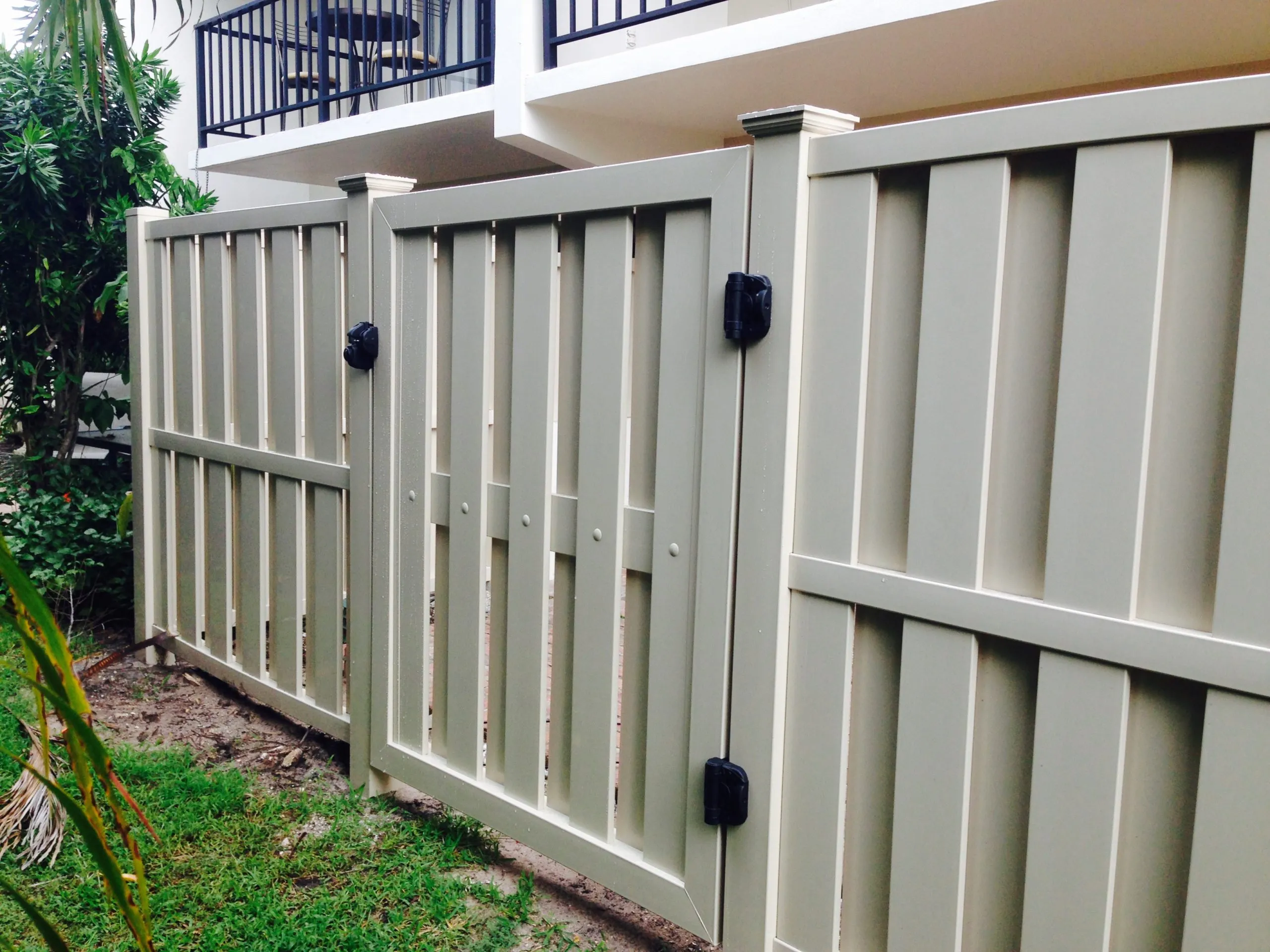
Gate Alignment: Gates must align perfectly with fence height. A sagging gate compromises both privacy and function. Professional reinforcement keeps gates operating smoothly for years.
Compliance Verification: Experienced installers understand local codes. They ensure your fence meets all height requirements. They handle permitting and scheduling inspections. This gives you confidence that your fence is fully compliant.
Making Your Final Decision
The average fence height in Florida provides a useful starting point. For most homeowners, six feet in the backyard and three to four feet in the front yard works well. However, your specific situation may require adjustments.
Consider these final questions:
- Do local codes allow the height I want?
- Will this height provide adequate privacy for how I use my yard?
- Does my HOA have additional restrictions I must follow?
- Have I considered future changes that might affect my privacy needs?
- Am I working with an installer who understands local requirements?
Answering these questions honestly ensures you choose the right height for your property.
Ready to Install the Perfect Fence for Your Florida Home?
At XL Fencing, we understand Florida's unique fencing requirements. Our team stays current with local codes throughout Broward and Palm Beach County. We help homeowners select the ideal privacy fence height for their specific needs. From permits to final inspection, we handle every detail.
Request a free quote today. Let our experienced team design and install a fence that provides the privacy you want while ensuring full compliance with local regulations. Contact us now to begin your project.