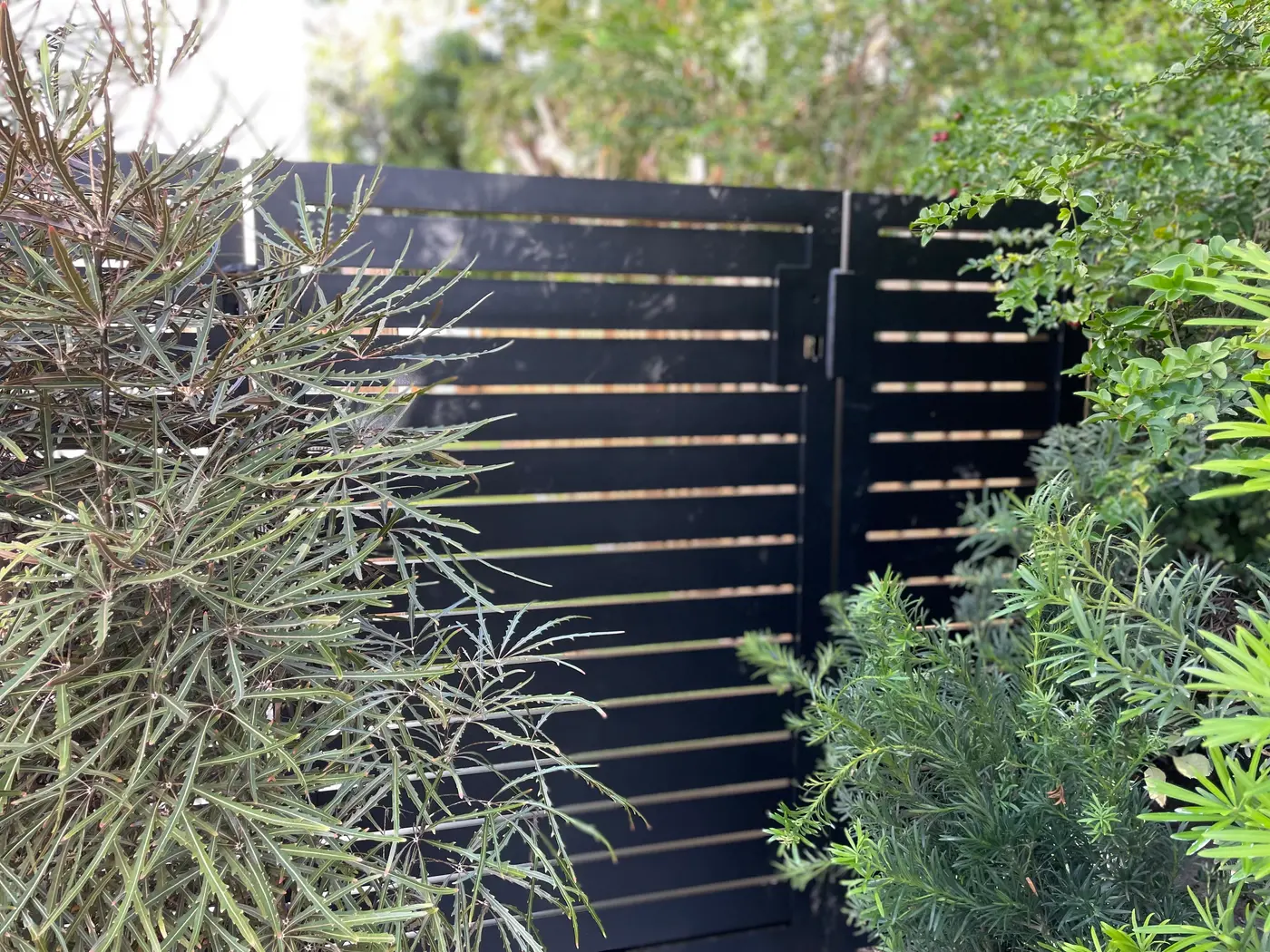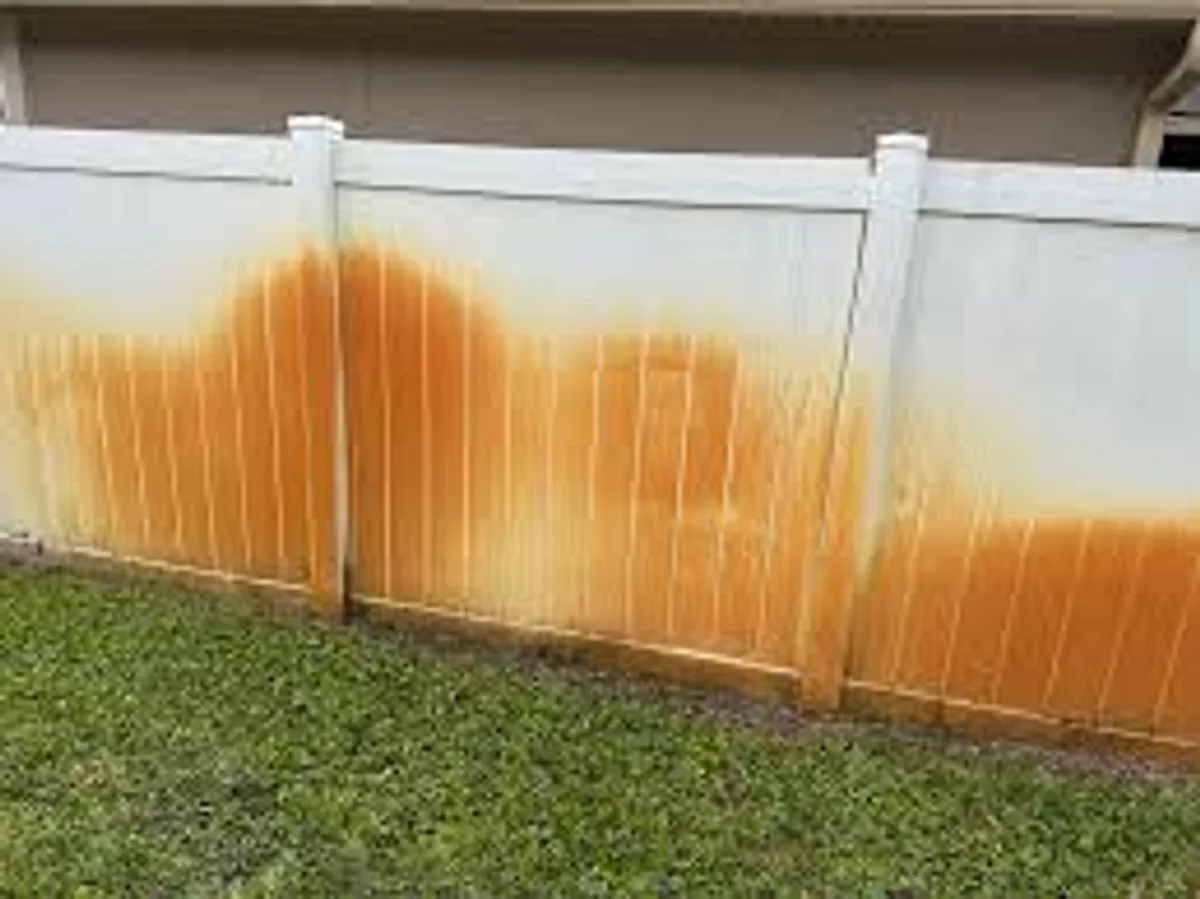
Deciding on the right fence for your property can feel like navigating through a forest of options, but a pressure-treated wood fence offers a perfect blend of durability and aesthetics. This guide is your compass, leading you through the essentials of selecting a pressure-treated wood fence that not only secures your space but also complements its surroundings.

Why Pressure-Treated Wood Is Ideal for Fencing
Opting for a pressure-treated wood fence isn’t just about setting boundaries; it’s about choosing a long-term ally against the elements. This treatment process protects the wood from rot, decay, and insect infestation, ensuring your fence remains a steadfast guardian of your property. Moreover, the ability of pressure-treated wood to withstand harsh weather conditions makes it a prudent choice for any landscape.
Beyond its resilience, pressure-treated wood offers an aesthetic flexibility that harmonizes with various architectural styles. From rustic to contemporary, it can be stained or painted to match any design vision, making it a versatile backdrop for your outdoor living space.
Types of Pressure-Treated Wood and Their Benefits
Pressure-treated wood comes in different levels of treatment, tailored to suit various environmental conditions and uses. For instance, wood treated for ground contact is fortified to withstand direct exposure to soil and moisture, making it ideal for fence posts. On the other hand, wood treated for above-ground use is perfect for fence panels and decorative elements, offering robust protection against rot and pests with less chemical intensity.
The choice between different types of pressure-treated wood allows homeowners to customize their fencing solutions. Whether you’re in a humid coastal area or a dry, arid region, selecting the appropriate treatment level ensures your fence is equipped to withstand your specific climate challenges.
How to Choose the Right Pressure-Treated Wood for Your Climate
Climate plays a pivotal role in the longevity of a pressure-treated wood fence. In areas prone to high humidity and frequent rainfall, choosing wood treated for ground contact even above ground can offer an added layer of protection against moisture-induced decay. For drier climates, focusing on UV-resistant stains and finishes can help prevent the wood from drying out and cracking.
The Cost Factors Involted fencing in Installing a Pressure-Treated Fencing Fence
When budgeting for a pressure-treated wood fence, consider both initial installation costs and long-term maintenance. Although the upfront cost might be higher than untreated wood, the extended lifespan and reduced need for repairs translate to cost savings over time. Additionally, the dimension and design of the fence play a significant role in determining the overall cost, with taller and more intricate designs commanding a premium.
Installation Tips for a Long-Lasting Pressure-Treated Wood Fence
Proper installation is the linchpin of a durable pressure-treated wood fence. Ensuring that posts are set securely in concrete and at an appropriate depth can prevent leaning and uprooting. Leaving gaps between panels allows for wood expansion and contraction, reducing the likelihood of warping and splitting. Applying a protective sealant can further extend the life of the fence by guarding against the elements.
Maintaining Your Pressure-Treated Ellipse: What You Discaloric to Earwig
Regular maintenance is essential to uphold the integrity of a pressure-treated wood fence. Annual inspections can identify potential issues early, such as loosening nails or signs of rotting, allowing for timely repairs. Cleaning the fence with a mild detergent and applying a water-repellent finish every two to three years can refresh its appearance and bolster its weather resistance.
For fences in particularly damp or shady areas, consider applying a fungicide to prevent mold and mildew growth, which can compromise the wood’s structure and aesthetics over time.
Final Thoughts on Choosing a Pressure-Treated Wood Fence
As we’ve journeyed through the considerations, benefits, and care instructions for a pressure-treated wood fence, it’s clear that this fencing option stands out for its durability, cost-effectiveness, and aesthetic versatility. Equipping yourself with the right information and preparation can transform your outdoor space into a secure, beautiful extension of your home. Remember, the right pressure-treated wood fence not only elevates your property’s appearance but also provides peace of mind with its long-lasting construction.