In today’s world, ensuring the safety of our pets and children comes first, especially in the spaces they play and explore every day. Let’s delve into whether pressure-treated wood fences, a popular choice for many, stand up to the test of safety.

Understanding Pressure-Treated Wood
Pressure-treated wood is a mainstay in outdoor construction, known for its durability and resistance to decay, fungi, and pests. This hardiness is achieved by infusing the wood with chemical preservatives under high pressure, ensuring that the protective agents penetrate deeply. While these characteristics make it a go-to for fences, it’s essential to peel back the layers and understand the specifics of these treatments when considering safety.
Historically, the chemicals used for treatment raised concerns, especially those containing arsenic. However, the industry has moved forward, and since 2004, safer alternatives like copper azole and micronized copper quaternary have become the standard. These new treatments significantly lower the health risks once associated with older, arsenic-based preservatives.
Why Use Pressure-Treated Wood for Fences?
The appeal of pressure-treated wood for fencing is undeniable. Its longevity and resilience against natural elements mean a fence that can stand the test of time with minimal maintenance. Such durability ensures that your garden or yard remains a protected, enclosed space, which is especially important in homes with pets and children.
Moreover, pressure-treated wood is a cost-effective solution. Compared to other materials that might offer similar durability, it often comes in at a lower price point, making it an attractive option for extensive fencing projects.
Health Concerns Associated with Pressure-Treated Wood
While modern pressure-treated wood is safer than its predecessors, concerns linger. The primary worry revolves around the leaching of chemicals from the wood into the surrounding soil, which could be an issue if pets or children come into direct contact with the wood or the nearby ground. Indeed, direct and prolonged exposure could pose risks, leading many to question if the benefits outweigh these potential dangers.
It’s also worth noting that cutting or sanding pressure-treated wood can release particles into the air, posing inhalation risks. Therefore, precautions such as wearing a mask and working in well-ventilated areas are advised.
Protecting Your Pets and Children
To ensure the safe use of pressure-treated wood fences around vulnerable family members like pets and children, consider several protective measures. Firstly, sealing the wood with a suitable sealant can help lock in the chemicals and reduce their leaching into the environment. Regular maintenance checks for any signs of wear or damage can further mitigate risks.
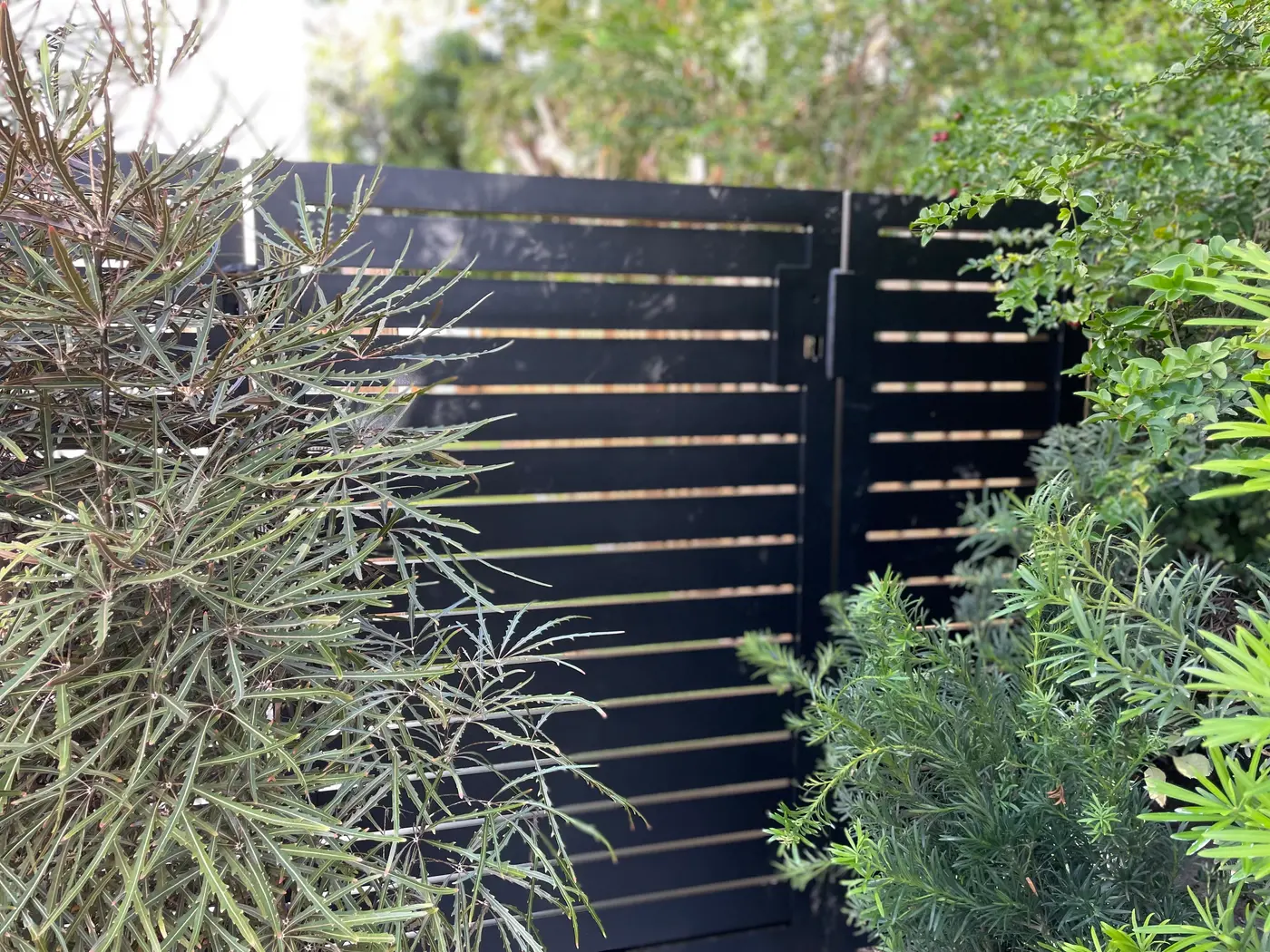
Creating barriers or using plants as natural dividers next to the fence can keep pets and children at a safer distance, minimizing direct contact.
Recommendations for Safe Use of Pressure-Treated Wood Fences
For those who choose pressure-treated wood for their fencing needs, selecting wood treated with non-arsenic preservatives is crucial. Additionally, applying a penetrating sealant at least every two to three years can preserve the integrity of the fence and minimize exposure risks. When installing or modifying a fence, doing so safely and following all recommended guidelines ensures that the fence serves its purpose without posing unnecessary risks.
Alternatives to Pressure-Treated Wood Fences
For homeowners concerned about the potential risks associated with pressure-treated wood, alternatives abound. Vinyl fencing, although more costly upfront, offers a durable and maintenance-free solution free from concerns about chemicals. Composite materials, combining wood fibers and plastic, present another safe, durable option, though they, too, come with a higher initial cost compared to pressure-treated wood.
Bamfully understanding the pros and cons of each material can lead to a more informed decision that aligns with one’s values regarding safety, sustainability, and aesthetics.
Wrapping Up on Safety
While the safety of pressure-treated wood fences has been a contentious topic, understanding the current practices and advancements in treatment processes can reassure us about their use in our gardens and backyards. By opting for newer or properly sealed pressure-treated wood, along with regular maintenance and the implementation of sage guidelines, you can create a safer environment for pets and children alike. Embracing alternative materials can also offer peace of mind for those still concerned about potential risks.