Installing an aluminum gate can enhance the security and aesthetic appeal of your property, but it’s essential to approach this decision with care. With a variety of styles, designs, and features available, knowing the right factors to consider can make all the difference. Whether you’re looking for functional durability or decorative flair, the choices you make during the installation process will significantly impact the long-term performance of your gate. In this complete guide, we’ll outline the seven essential factors you should think about before embarking on your aluminum gate installation journey. From the right materials and measurements to local regulations and maintenance considerations, we’ll arm you with the knowledge needed to make informed decisions. By the end, you’ll feel confident in your ability to select the perfect aluminum gate that not only meets your needs but also elevates your property’s charm. Let’s dive in!
Importance of Choosing the Right Location
When it comes to installing an aluminum gate, the location plays a crucial role in determining its effectiveness and longevity. The first factor to consider is the accessibility of the gate. You want to ensure that it is conveniently located for both vehicular and pedestrian traffic, allowing easy access without causing congestion or inconvenience. Take into account the flow of movement within your property and how the gate will fit into this dynamic. The placement should complement the existing layout while providing a clear and unobstructed path.
Another aspect of location is the terrain and soil condition. The stability of the ground where you plan to install the gate can affect its structural integrity over time. Soft or uneven soil may require additional groundwork or reinforcement to prevent the gate from shifting or sinking. Conducting a thorough assessment of the site’s geotechnical properties can save you from costly repairs and ensure that your gate remains secure and functional. Additionally, consider the slope and elevation of the area, as these factors can influence water drainage and the risk of erosion.
Visibility and aesthetic appeal are also vital considerations. The location of your aluminum gate should enhance the overall appearance of your property. A well-placed gate can act as a focal point, adding to the visual charm and curb appeal of your home. Conversely, a poorly chosen location might detract from the beauty of your landscape. Evaluate how the gate will integrate with existing architectural features, landscaping, and the overall style of your property to create a harmonious and appealing look.
Understanding Local Building Codes and Regulations
Before you embark on your aluminum gate installation, it is essential to familiarize yourself with local building codes and regulations. These rules are in place to ensure safety, compliance, and uniformity within the community. Ignoring these regulations can lead to fines, legal issues, and even the removal of your gate. Start by checking with your local municipality or building authority to understand the specific requirements for gate installations in your area.
Building codes often dictate the height, width, and type of materials that can be used for gates. These regulations are designed to prevent obstructions, ensure visibility, and maintain the aesthetic standards of the neighborhood. For example, some areas may have restrictions on gate heights to avoid blocking sightlines or overshadowing adjacent properties. Understanding these codes will help you choose an aluminum gate that complies with legal standards while still meeting your needs.
In addition to building codes, you may need to obtain permits before installing your gate. The permitting process typically involves submitting detailed plans and specifications for approval. This step ensures that your installation meets all safety and structural requirements. While the process may seem cumbersome, it is a crucial part of ensuring that your gate is installed correctly and legally. By proactively addressing these regulatory considerations, you can avoid potential setbacks and ensure a smooth installation process.
Evaluating Your Property's Security Needs
Security is often a primary reason for installing an aluminum gate, and assessing your property’s specific security needs is crucial. Start by identifying the vulnerable points within your property. These are areas where unauthorized access is more likely to occur, such as secluded entrances, weak points in fencing, or areas hidden from view. By pinpointing these locations, you can better position your gate to provide maximum security coverage.
Consider the level of security you require. If you live in a high-crime area or have valuable assets that need protection, you might need a more robust gate with advanced security features. These can include electronic locks, surveillance cameras, motion detectors, and keypad entry systems. On the other hand, if your primary concern is privacy or controlling access to a shared space, a simpler gate design might suffice. Tailoring your gate’s security features to your specific needs ensures that you get the most effective protection.
Another factor to consider is the integration of your aluminum gate with existing security systems. If you already have an alarm system or security cameras, ensure that your new gate can be easily integrated with these systems for seamless operation. This might involve coordinating with a security professional to configure the gate’s electronic components or ensuring compatibility with your current setup. By creating a cohesive security network, you can enhance the overall safety and functionality of your property.
Choosing the Right Style and Design for Your Aluminum Gate
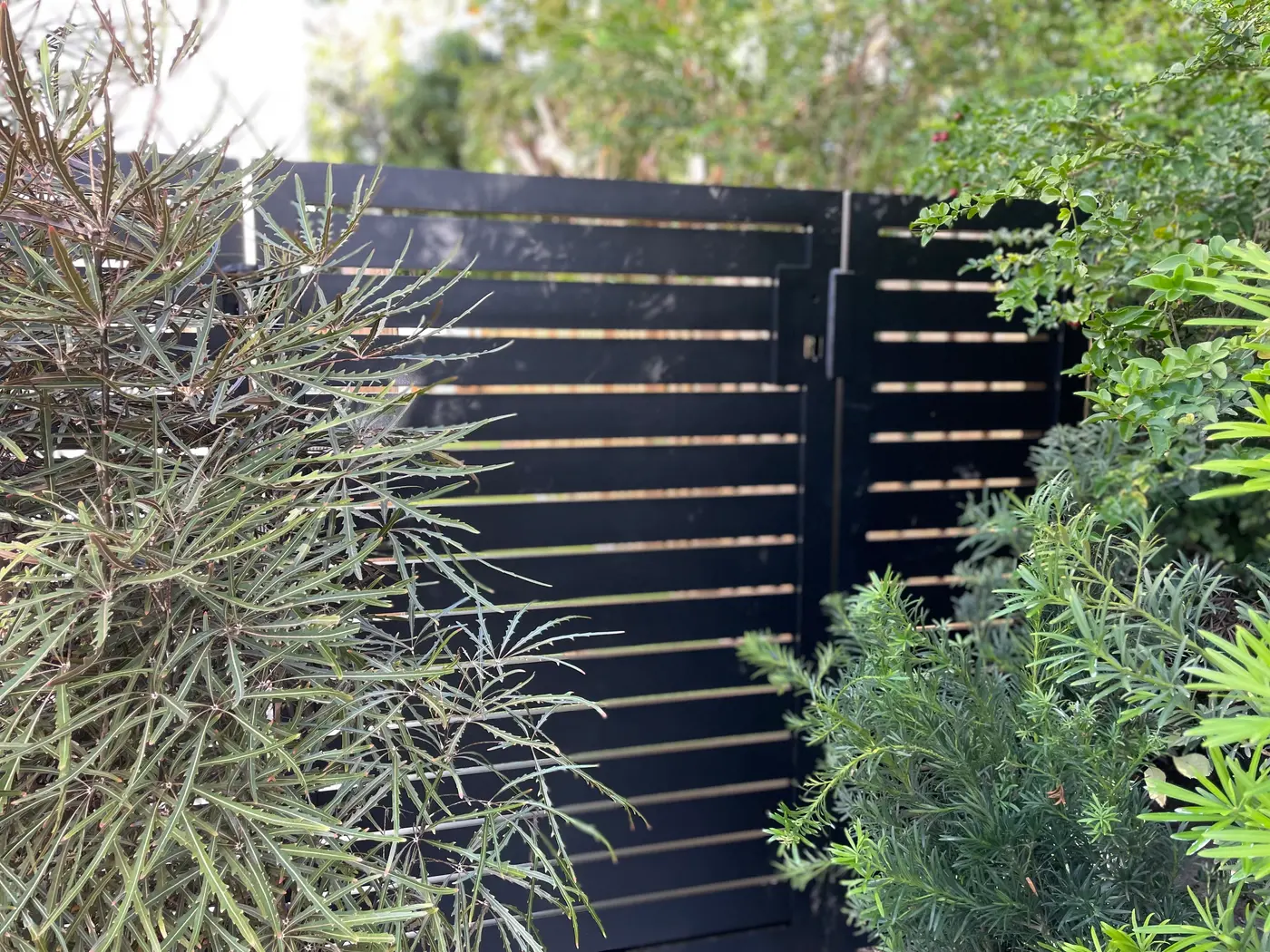
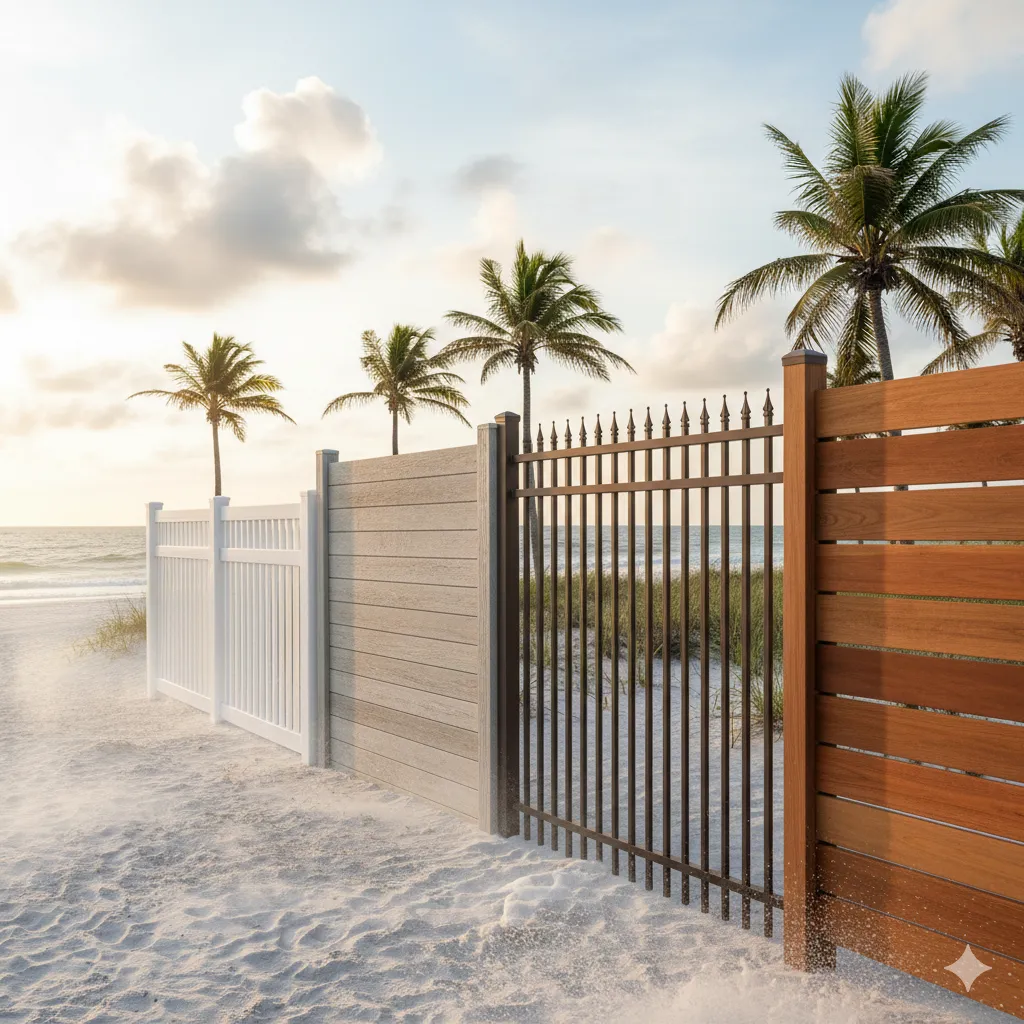
The style and design of your aluminum gate are pivotal in reflecting your personal taste and enhancing the aesthetic of your property. There are numerous styles to choose from, ranging from traditional to contemporary designs. Traditional gates often feature intricate patterns and ornate details that can add a touch of elegance and sophistication to your home. Conversely, modern designs typically showcase clean lines and minimalist features that convey a sleek and understated charm.
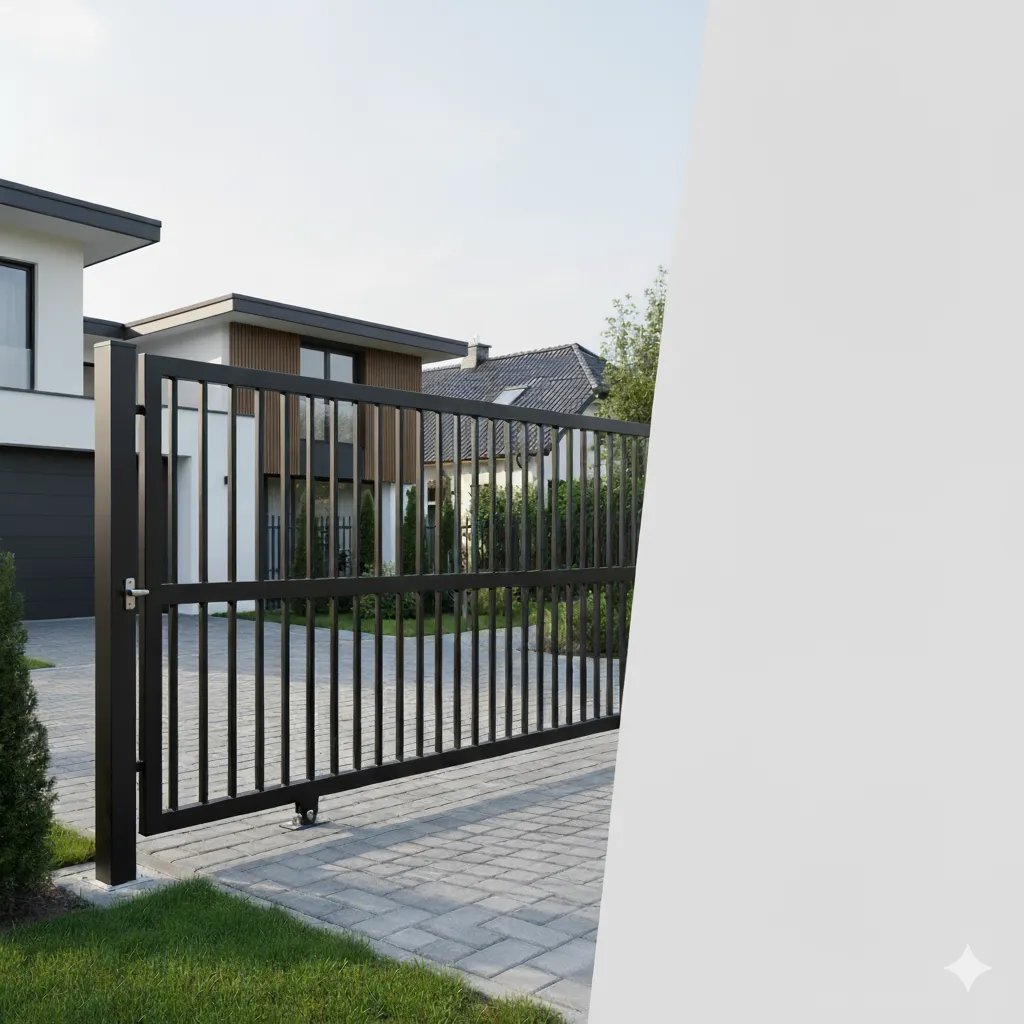
Customizability is another significant advantage of aluminum gates. Many manufacturers offer bespoke options, allowing you to tailor the gate’s design to your specific preferences. You can select the color, finish, and decorative elements that match your property’s architectural style. Additionally, you may choose between different types of gate openings, such as sliding, swinging, or bi-folding. Each type has its own advantages and can be chosen based on the space available and your functional requirements.
Functionality and aesthetics should go hand in hand. While the design is crucial for visual appeal, it should not compromise the gate’s functionality. Consider how the design will affect the ease of use, maintenance, and durability. For instance, a highly ornate gate might require more upkeep to maintain its appearance, whereas a simpler design could be easier to clean and maintain. Striking the right balance between style and practicality ensures that your gate will serve its purpose effectively while enhancing the beauty of your property.
Assessing the Durability and Maintenance Requirements
Durability is a key factor to consider when selecting an aluminum gate, as it directly impacts the gate’s longevity and performance. Aluminum is known for its strength and resistance to corrosion, making it an excellent choice for outdoor gates. However, the quality of the aluminum and the construction method used can vary. Opting for high-grade aluminum and robust manufacturing techniques ensures that your gate will withstand the elements and daily wear and tear.
Maintenance requirements are closely linked to durability. While aluminum gates are generally low-maintenance, certain designs and finishes may require more upkeep than others. For example, gates with intricate details or painted finishes might need regular cleaning and touch-ups to maintain their appearance. Understanding the maintenance needs of your chosen gate design helps you plan for ongoing care and ensures that the gate remains in top condition.
Weather conditions in your area can also affect the durability and maintenance of your gate. Extreme temperatures, heavy rainfall, or high humidity can accelerate wear and tear on outdoor structures. Choosing an aluminum gate that is specifically designed to withstand local weather conditions can help mitigate these effects. Additionally, applying protective coatings or treatments can enhance the gate’s resistance to environmental factors and prolong its lifespan.
Budgeting for Your Aluminum Gate Installation
Budgeting is an essential step in the aluminum gate installation process, ensuring that you can afford the project without compromising on quality or features. Start by researching the average costs of aluminum gates and installation services in your area. This gives you a baseline for what to expect and helps you set a realistic budget. Keep in mind that prices can vary based on the size, design, and additional features of the gate.
Consider all aspects of the installation when budgeting. Beyond the cost of the gate itself, factor in expenses such as site preparation, labor, permits, and additional security features. These costs can add up quickly, so it’s crucial to have a comprehensive understanding of all potential expenses. Creating a detailed budget plan that accounts for every aspect of the project helps prevent unexpected financial strain and ensures that you can complete the installation smoothly.
While it’s tempting to cut costs by opting for cheaper materials or DIY installation, this can lead to problems down the line. Investing in high-quality materials and professional installation ensures that your gate is durable, secure, and properly fitted. It can save you money in the long run by reducing the need for repairs or replacements. Setting aside a contingency fund within your budget for unforeseen expenses is also a wise strategy, providing a financial cushion for any unexpected issues that arise during the installation process.
Selecting a Professional Installer vs. DIY
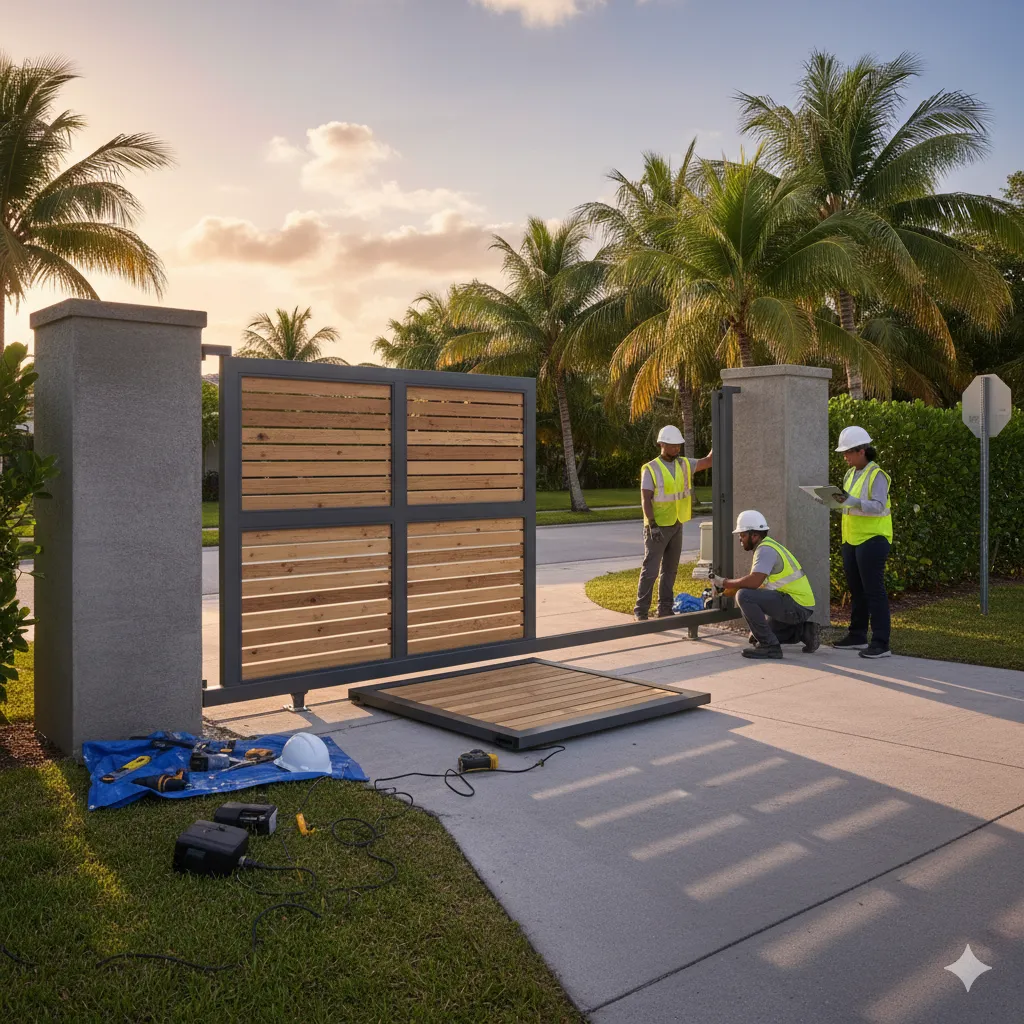
Choosing between professional installation and a DIY approach is a critical decision that can impact the outcome of your aluminum gate project. Professional installers like XL Fencing, bring expertise and experience to the table, ensuring that the gate is installed correctly and efficiently. They are familiar with local building codes and regulations, can handle any necessary permits, and have the tools and skills to address challenges that may arise during installation.
Hiring a professional can also save time and reduce stress. The installation process can be complex and labor-intensive, requiring precise measurements, alignment, and secure fittings. Professionals can complete the job more quickly and accurately than most DIY enthusiasts, allowing you to enjoy your new gate sooner. Additionally, many professional installers offer warranties and guarantees on their work, providing peace of mind and protection against potential issues.
However, if you have the necessary skills, tools, and time, a DIY installation can be a rewarding project. It allows you to personally oversee every aspect of the installation and can be more cost-effective if done correctly. Before deciding on a DIY approach, assess your capabilities and the complexity of the installation. Detailed instructions and resources are often available from manufacturers, but ensure that you are comfortable with the level of work involved. Weighing the pros and cons of each option helps you make an informed decision that best suits your situation.
Common Mistakes to Avoid During Installation
Avoiding common mistakes during the installation of your aluminum gate can save you time, money, and frustration. One frequent error is inadequate site preparation. Failing to properly prepare the ground can lead to issues such as uneven alignment, instability, and difficulty in opening or closing the gate. Ensure that the installation site is level, clear of debris, and has the necessary groundwork to support the gate.
Incorrect measurements are another common pitfall. Precise measurements are crucial for fitting the gate correctly within the designated space. Miscalculations can result in gaps, misalignment, or the need for costly adjustments. Take the time to measure multiple times and verify the dimensions before proceeding with the installation. Using professional tools and methods for measuring can enhance accuracy and prevent mistakes.
Neglecting to account for local building codes and regulations can lead to significant issues. As mentioned earlier, compliance with these rules is mandatory and ignoring them can result in fines or the need to redo the installation. Always check the relevant codes and secure the necessary permits before starting the project. Ensuring compliance not only avoids legal trouble but also guarantees that your gate meets safety standards.
Conclusion and Final Thoughts on Aluminum Gate Installation
Installing an aluminum gate is a significant investment that enhances the security, functionality, and aesthetic appeal of your property. By carefully considering factors such as location, building codes, security needs, design, durability, budgeting, and installation methods, you can make informed decisions that lead to a successful project. Each aspect plays a critical role in ensuring that your gate serves its purpose effectively and harmoniously integrates with your property.
Choosing the right location enhances accessibility and visual appeal, while understanding local regulations ensures compliance and avoids legal issues. Evaluating your security needs allows you to select features that provide optimal protection, and choosing a suitable design balances aesthetics with functionality. Assessing durability and maintenance requirements prepares you for ongoing care, and effective budgeting helps manage costs without compromising quality.
Finally, deciding between professional installation and DIY depends on your skills, time, and resources, with each option offering distinct advantages. By avoiding common mistakes and carefully planning each step, you can achieve a smooth and successful aluminum gate installation. With this comprehensive guide, you are now equipped with the knowledge needed to make confident and informed choices, ensuring that your aluminum gate not only meets your needs but also enhances the charm of your property.